

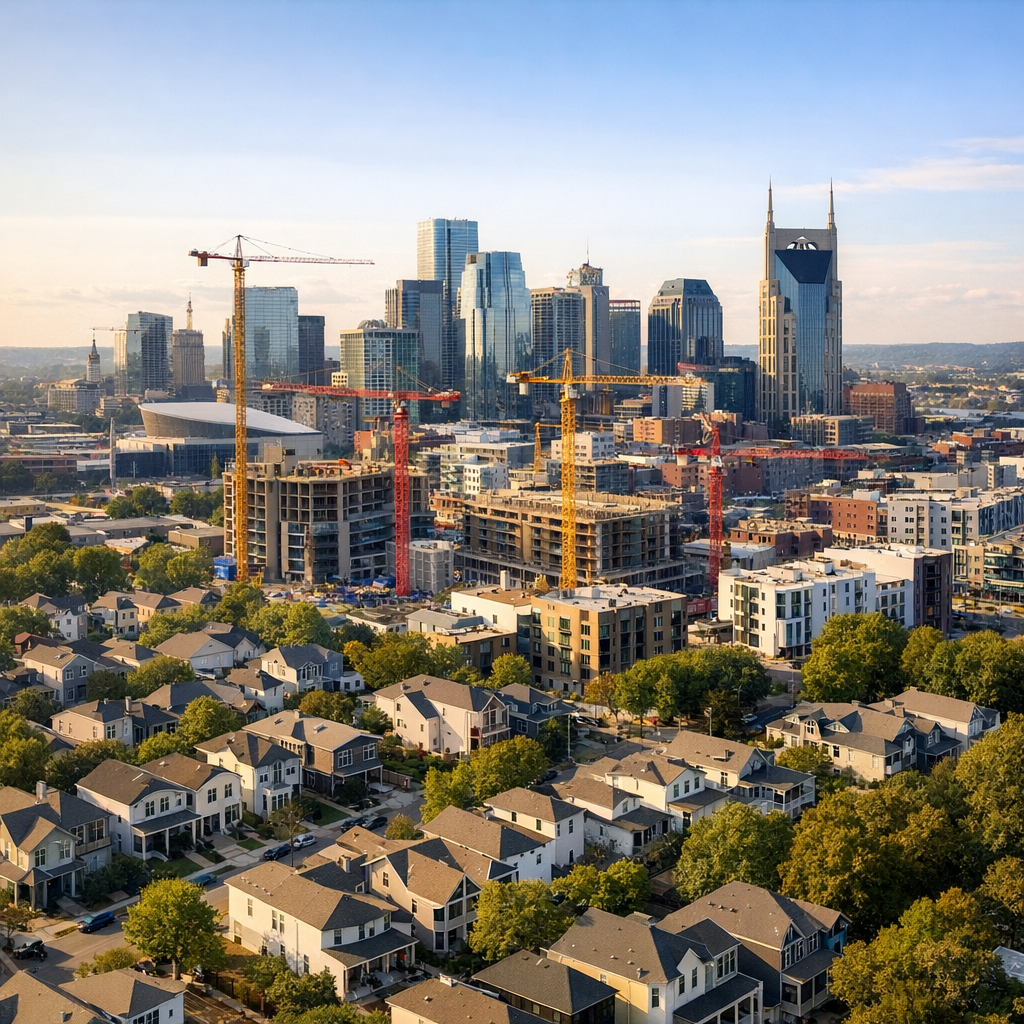
Nashville’s rapid growth has brought both opportunities and challenges, prompting city leaders and residents to address critical issues affecting the community’s well-being.
Housing Affordability and Gentrification
The city’s expansion has led to rising housing costs, making affordability a pressing concern. A recent Vanderbilt Poll revealed that 82% of residents feel they cannot afford to buy a home in Davidson County, with only 36% planning to purchase property locally. This economic strain underscores the need for strategies to ensure housing remains accessible to all Nashvillians.
Additionally, Metro Social Services released an interactive mapping tool highlighting areas experiencing gentrification, wage disparities, and poverty. These resources aim to inform policies that address the socio-economic shifts impacting various neighborhoods.
Infrastructure and Transportation Initiatives
In response to the city’s growth, Mayor Freddie O’Connell announced over $100 million in capital projects under the ‘Choose How You Move’ initiative. These projects focus on improving sidewalks, traffic signals, and safety measures citywide, aiming to enhance daily travel for residents and accommodate increasing transportation demands.
Environmental and Community Concerns
Environmental considerations have also come to the forefront. A proposed data center near the Nashville Zoo has sparked significant opposition due to potential noise and light pollution affecting the zoo’s 3,000 animals. Mayor O’Connell has taken steps to block the project, including filing eminent domain legislation to acquire the land for public use. This move reflects the city’s commitment to protecting community assets and addressing environmental concerns.
As Nashville continues to evolve, balancing development with the needs and well-being of its residents remains a central focus for city leaders and the community.