

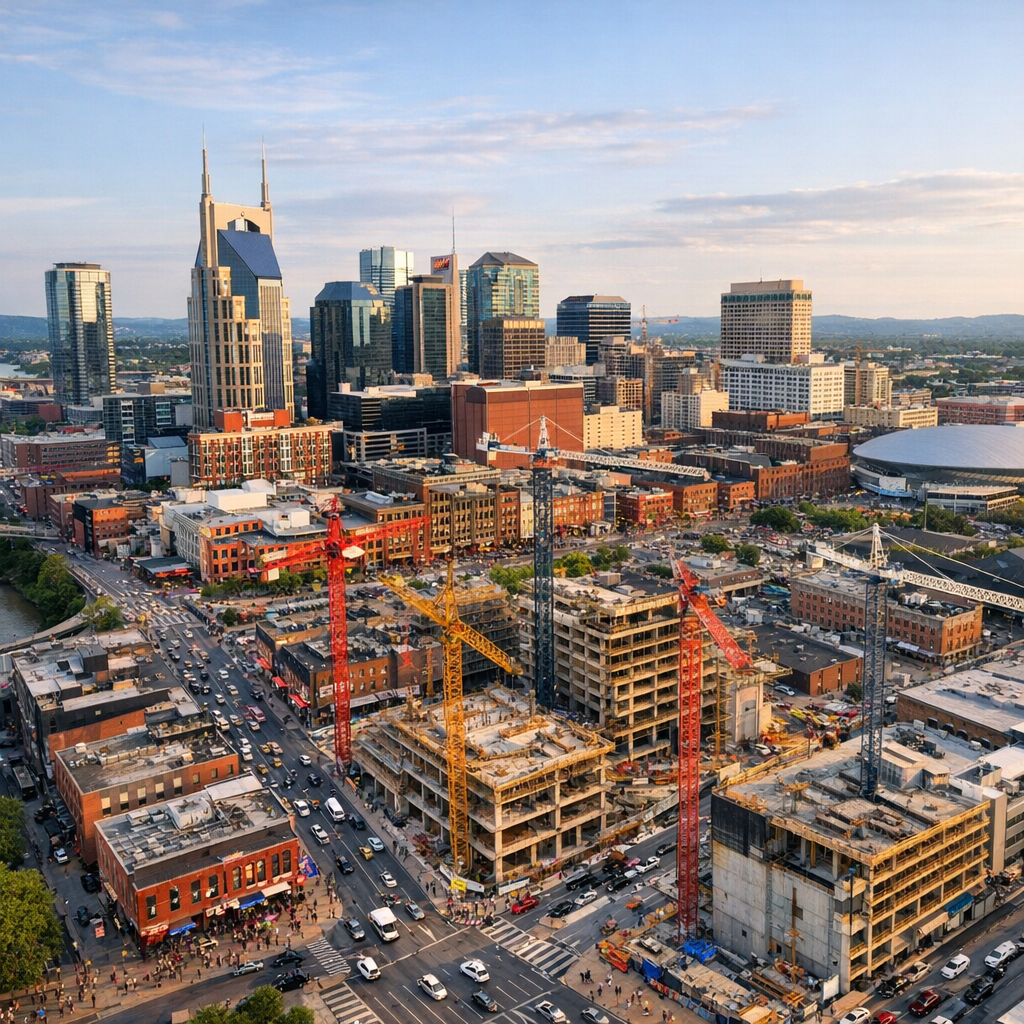
Nashville’s dynamic economy continues to demonstrate resilience and adaptability in the face of evolving federal policies. As national decisions influence local landscapes, our city has proactively implemented measures to sustain growth and support its residents.
Federal Policy Impacts and Local Responses
Recent federal initiatives have had tangible effects on Nashville. For instance, the Federal Housing and Finance Administration’s policy to consider rent payment history in mortgage applications aims to make homeownership more accessible. This move is particularly beneficial for individuals with limited credit histories, such as young adults and immigrants. However, concerns persist regarding the consistent reporting of rental data by landlords.
On the local front, the Metro Council has revised building codes to allow multi-family structures up to six stories with a single staircase. This change is expected to reduce construction costs, facilitating the development of affordable housing units while maintaining safety standards.
Economic Growth and Infrastructure Developments
Nashville’s economic landscape is bolstered by significant contributions from key institutions. Vanderbilt University and Vanderbilt University Medical Center collectively generated an economic impact of $22.13 billion on the city and state economies in 2024. This underscores the pivotal role of education and healthcare sectors in our local economy.
Additionally, the Nashville International Airport continues to be a vital economic driver. A recent study highlights its growing contributions, emphasizing the airport’s role in supporting jobs, tourism, and tax revenues statewide.
Community Initiatives and Support Systems
In response to challenges such as federal shutdowns, the Metropolitan Action Commission (MAC) has activated contingency plans to sustain essential services. These measures ensure continued support for vulnerable populations, including utility payment assistance and emergency services, despite disruptions in federal funding.
Furthermore, the establishment of the Homeland Security Task Force in Nashville aims to combat gangs, drug trafficking, and transnational crime across Middle Tennessee. This collaborative effort involves federal, state, and local agencies working together to enhance community safety.
Looking Ahead
As Nashville navigates the complexities of national policy changes, the city’s proactive strategies and community-focused initiatives position it well for sustained growth and resilience. By leveraging local resources and fostering collaboration, Nashville continues to thrive amidst the evolving national landscape.