

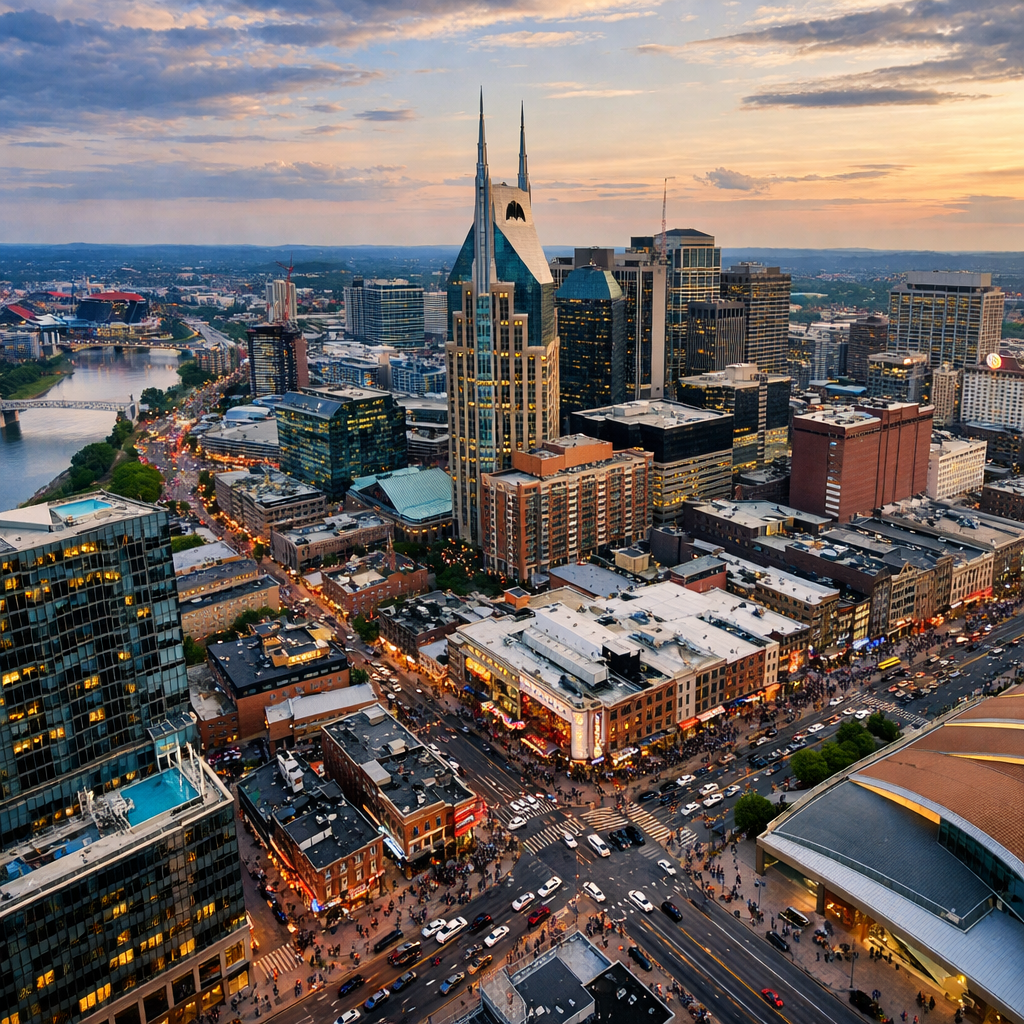
Nashville’s economic landscape is experiencing significant growth, influenced by various factors that mirror national trends. The city’s population has been a major driver of this expansion. In 2025, Davidson County added nearly 9,300 residents, the highest increase among Tennessee’s 95 counties. This surge presents both challenges and opportunities, including rising home prices, increased traffic, and the attraction of new businesses offering high-paying jobs.
Education plays a crucial role in this economic development. Data from 2024 indicates that Nashville residents with college degrees consistently out-earn their peers. The median income for adults aged 25 or older without a college education was $41,393, highlighting the financial benefits of higher education. To support adult learners, Tennessee has implemented programs like Tennessee Reconnect, offering tuition-free community or technical college education to residents aged 25 and older.
Major events also contribute significantly to Nashville’s economy. The city is preparing to host Super Bowl LXIV in 2030, with an anticipated investment of $60 million. This event is projected to generate $386 million in direct spending for Tennessee and approximately $706 million in total economic impact. While some economists caution that such projections may not always materialize fully, the Super Bowl is expected to provide substantial financial benefits and enhance Nashville’s international profile.
These developments underscore Nashville’s dynamic economic growth, reflecting broader national patterns and positioning the city as a key player in the evolving economic landscape.