

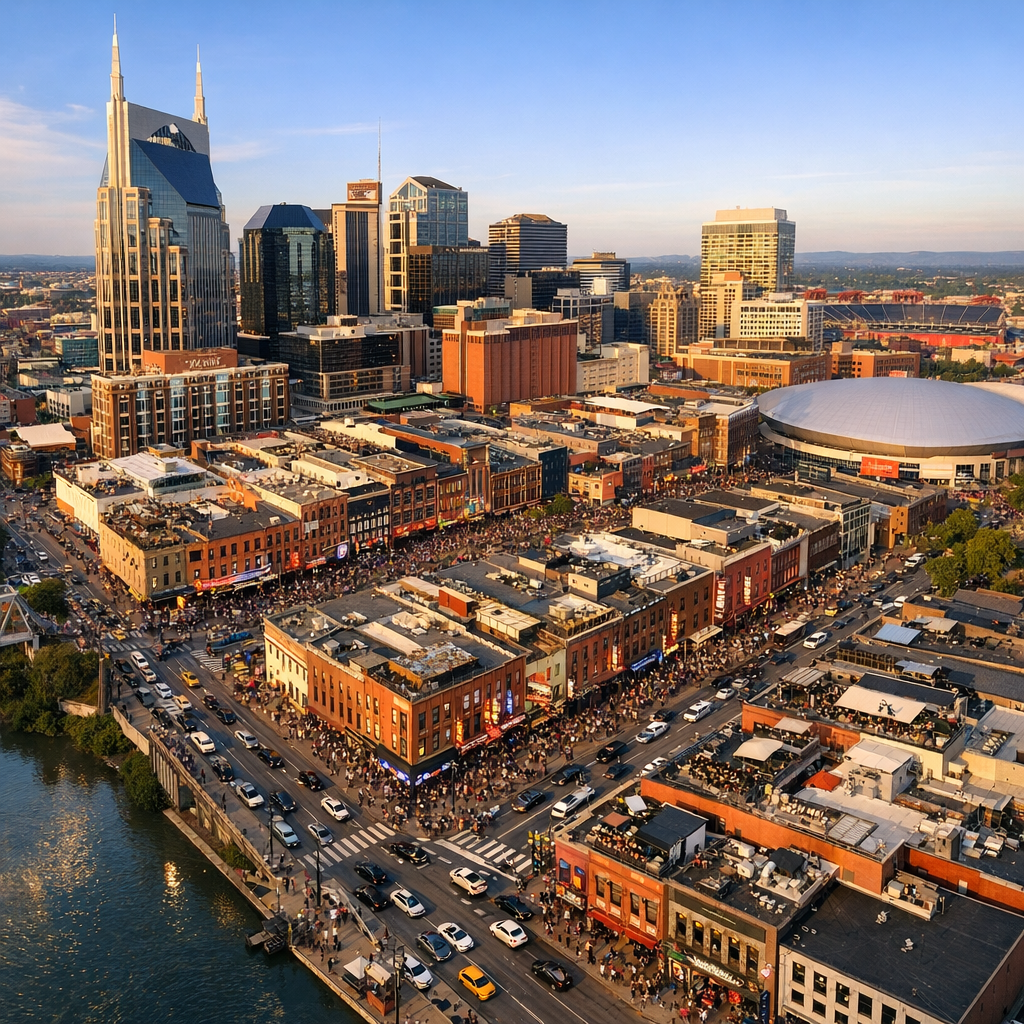
Nashville’s economic trajectory offers a compelling snapshot of broader national trends, reflecting the interplay between local developments and overarching U.S. economic patterns.
Population Growth and Migration
In recent years, Nashville has experienced significant population growth, with Davidson County adding nearly 9,300 residents in 2025 alone. This surge is largely driven by domestic migration, as individuals from other states are drawn to the city’s vibrant economy and quality of life. However, international migration, which once contributed substantially to Nashville’s growth, has seen a decline due to changes in national immigration policies.
Education and Income
The correlation between higher education and income levels remains evident in Nashville. Adults aged 25 or older without a college education earned a median income of $41,393, underscoring the economic advantages of higher education. This local data aligns with national discussions about the value of a college degree in today’s economy.
Housing Market Dynamics
The COVID-19 pandemic reshaped Nashville’s housing market, leading to soaring home prices fueled by low borrowing costs and the rise of remote work. This trend mirrors national patterns observed over the past five years, where urban areas have faced similar housing challenges.
Climate and Environmental Concerns
Nashville has faced extreme weather events, including heat waves and flooding, highlighting the city’s vulnerability to climate change. These incidents reflect broader national concerns about increasing climate-related challenges and their economic implications.
Economic Contributions of Key Institutions
Vanderbilt University and Vanderbilt University Medical Center have significantly impacted Nashville’s economy, contributing $22.13 billion annually. As the largest private employer in the area, their influence extends beyond the campus, shaping the region’s economic landscape and reflecting the role of major institutions in local and national economies.
In summary, Nashville’s economic developments serve as a microcosm of national trends, illustrating how local dynamics are intertwined with broader U.S. economic patterns.