

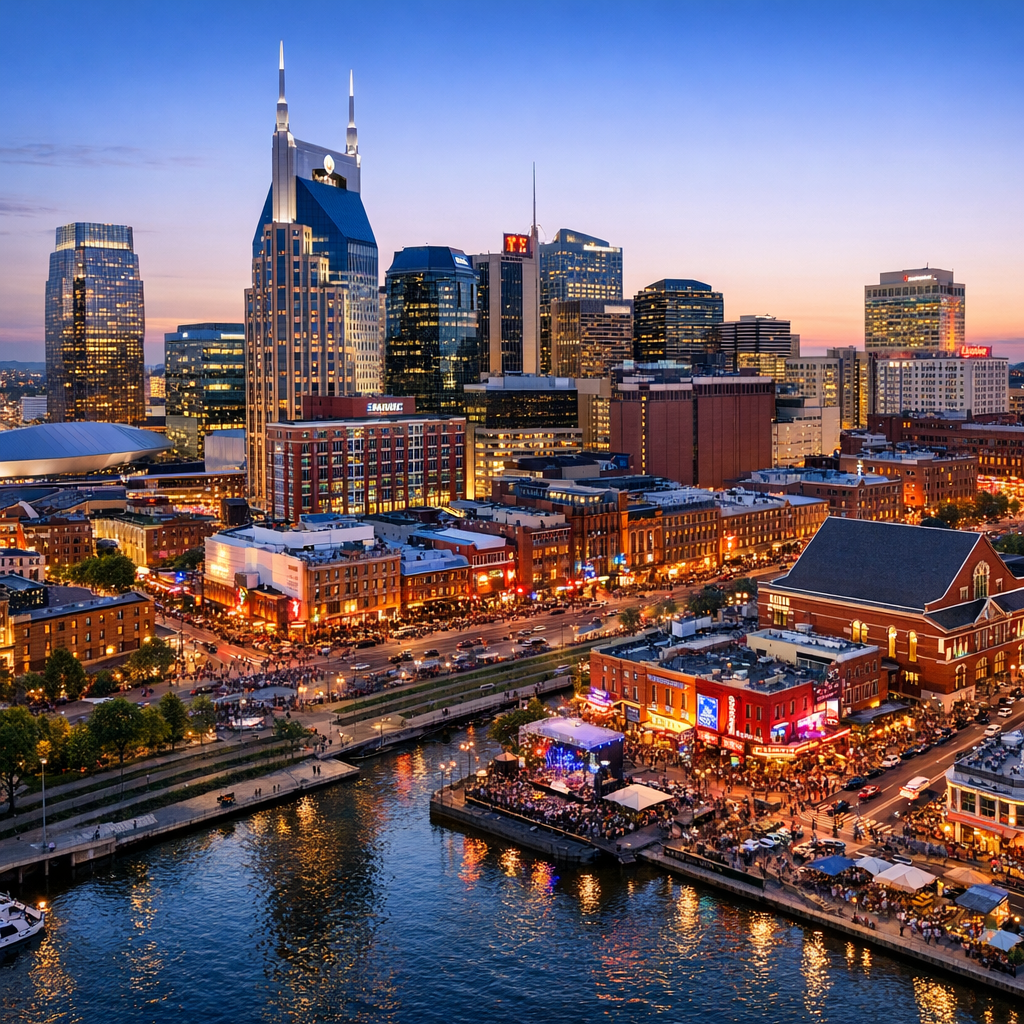
Nashville, long celebrated as the heart of country music, has undergone a remarkable transformation into a thriving business hub. This evolution mirrors broader national trends in urban development and economic diversification.
Population Growth and Economic Impact
In recent years, Nashville has experienced significant population growth, positioning it as a key driver of Tennessee’s demographic expansion. This surge has brought both challenges and opportunities, including rising home prices, increased traffic, and a burgeoning job market.
Educational Attainment and Income Levels
Data indicates a strong correlation between higher education and income in Nashville. Adults with college degrees tend to earn substantially more than those without, highlighting the importance of educational attainment in economic mobility.
Housing Market Dynamics
The COVID-19 pandemic reshaped Nashville’s housing market, leading to soaring home prices and increased demand. This trend reflects a national pattern where urban centers have seen housing markets tighten due to various economic factors.
Climate Challenges
Nashville has faced extreme weather events, including heatwaves and flooding, underscoring the city’s vulnerability to climate change. These incidents are part of a larger national conversation about environmental resilience and urban planning.
Major Events and Economic Projections
Looking ahead, Nashville is set to host Super Bowl LXIV in 2030. While projections suggest significant economic benefits, some economists caution that such forecasts may not always materialize as expected.
Nashville’s journey from a music-centric city to a multifaceted economic powerhouse exemplifies the dynamic nature of urban growth in the United States. As the city continues to evolve, it offers valuable insights into the complexities of modern urban development.