

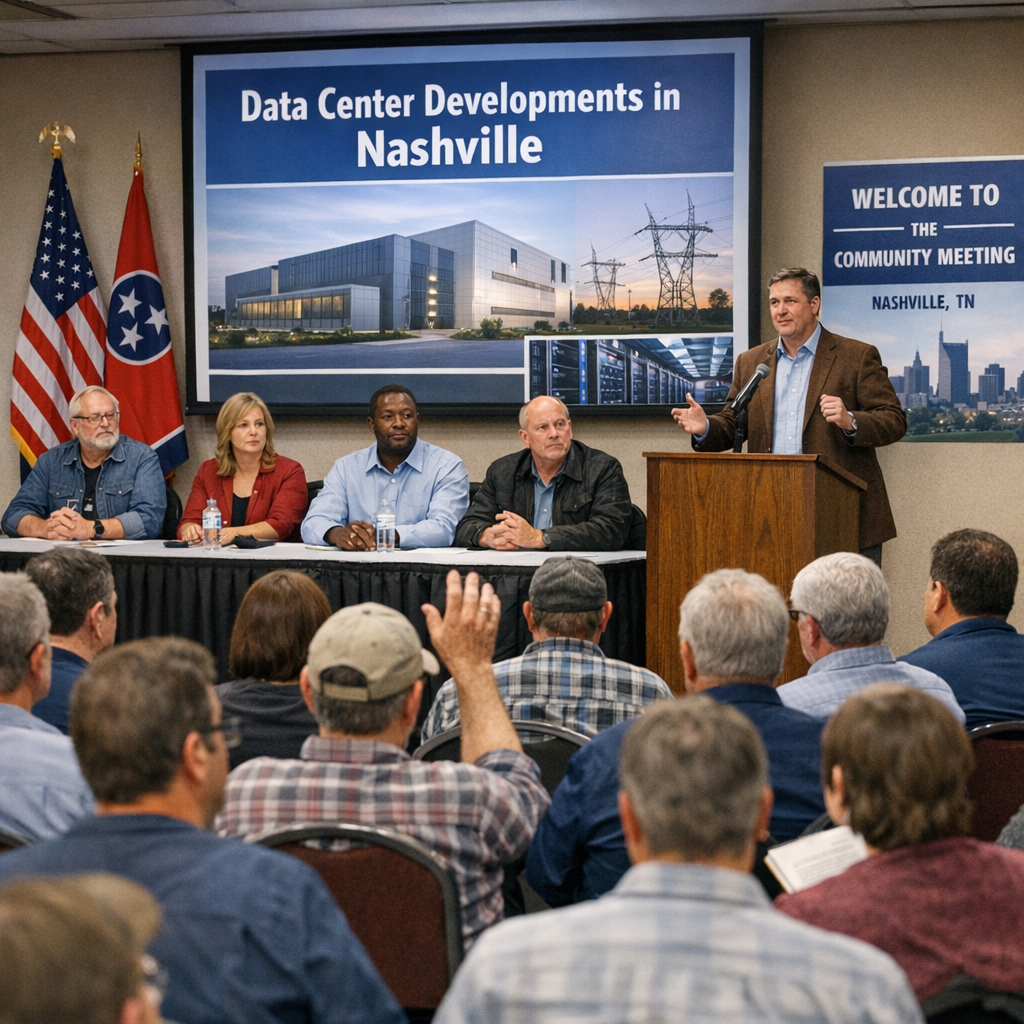
In recent months, Nashville has become a focal point for discussions surrounding the development of data centers within city limits. Two significant proposals have particularly drawn public attention and debate.
DC Blox’s Proposed Data Center Near Nashville Zoo
DC Blox has announced plans to construct a 10-megawatt data center adjacent to the Nashville Zoo. This proposal has raised concerns among zoo officials and animal welfare advocates about potential noise and light pollution affecting the zoo’s 3,000 animals, including species involved in critical conservation efforts. The zoo has initiated a petition opposing the project, which has garnered substantial public support. In response, DC Blox has stated its commitment to collaborating with the community to address these concerns.
Fisk University’s Data Center Initiative
Fisk University has proposed the development of a 30-megawatt data center on its campus. While the university views this as an opportunity for economic growth and technological advancement, some community members have expressed apprehension regarding the project’s scale and its potential impact on the surrounding neighborhood.
City Council’s Response
In light of these developments, the Nashville City Council has taken proactive measures. On June 9, 2026, the Council passed the first reading of a temporary moratorium on the acceptance, processing, approval, and issuance of permits for data center developments. This moratorium aims to provide the city with time to assess the implications of such projects and establish appropriate regulations.
Community Perspectives
The proposed data centers have elicited a range of responses from Nashville residents. Supporters highlight the potential economic benefits and technological advancements these facilities could bring. Conversely, opponents raise concerns about environmental impacts, increased traffic, and the preservation of community character.
Looking Ahead
As Nashville continues to grow and attract technological investments, the city faces the challenge of balancing economic development with community well-being. Ongoing dialogues between developers, city officials, and residents will be crucial in shaping policies that reflect the city’s values and priorities.