

By Logan Clark
The landscape is shifting, but the beat goes on
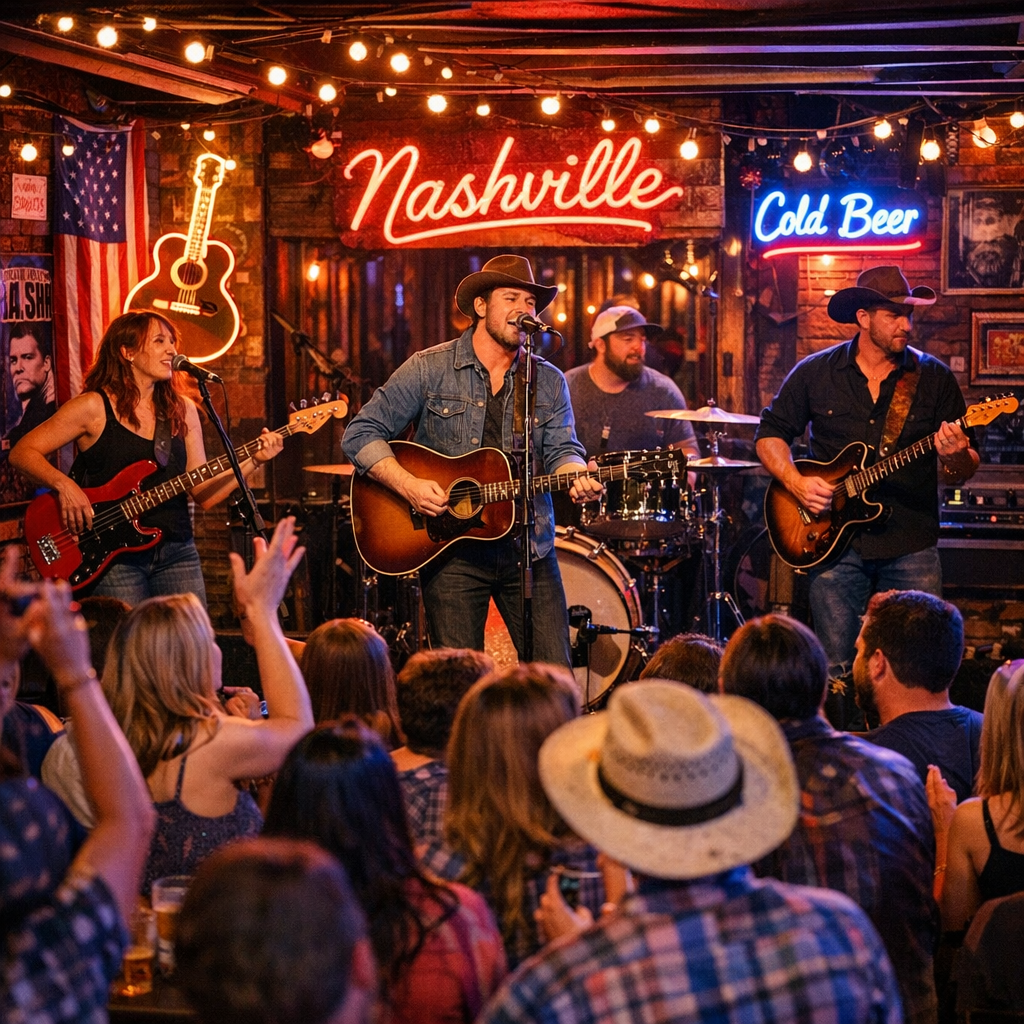
Nashville has long been known as “Music City,” but in recent years the arts and music world here has found itself navigating tension between rapid growth and preserving what makes this place unique. Between new mixed-use developments, new live music venues, and historic scenes under pressure, the city’s cultural evolution is both exciting and delicate.
New venues, new opportunities
One big development is The Truth, a 4,400-capacity indoor venue currently under construction in the Wedgewood-Houston neighborhood, expected to debut in fall 2026. The Truth promises more than just stage acts—it’ll include spaces like a vinyl room and a listening bar, plus partnerships with Nashville Songwriters Association International and W.O. Smith Music School. It’s a signal that major investment is still flowing into Nashville’s infrastructure for live performance.
Elsewhere, existing venues are also upgrading. Robert’s Western World is expanding, adding a second stage upstairs and enlarging its dance floor and backstage spaces. Meanwhile, new mixed-use entertainment districts—like Nashville Yards and Wedgewood Village—are blending live music, creative retail, dining, and art spaces in ways that didn’t feel possible just a few years ago.
The pressure on indie spaces and creative communities
Yet amid all this growth are widespread concerns about affordability and preserving spaces where indie artists, local acts, and cultural experimentation can thrive. An independent venues study found that rising housing costs and rent pressures threaten both venues and the artists themselves—pushing people further from the creative centers where collaboration and conversation were once part of everyday life.
Smaller performance spaces like The End have recently found themselves in crisis, at times requiring public support just to stay afloat. Their stories underscore how even vital nonprofits may struggle under rising operational costs, competition from large promoters, and changing city zoning and real estate landscapes.
Art galleries and visual culture rising up
On the visual arts side, Nashville boasts dozens of galleries, both museum-scale and boutique, in neighborhoods like East Nashville, Wedgewood-Houston, Midtown, and downtown. Places like Tinney Contemporary, Frist Art Museum, and smaller local galleries and cooperative spaces continue rotating strong exhibitions of local artists. These institutions are vital in helping balance the scale and genres of creativity in our city.
Finding a path forward: what’s working
- Partnerships & organizational coalitions: Music Venue Alliance Nashville, for example, collaborates with promoters, owners, and communities to advocate for independent stages.
- Policy & planning attention: Metro studies of independent venues, zoning debates around heritage sites on Music Row, and the focus on mixed-use districts show that the city sees culture as more than entertainment—it’s part of urban identity.
- Innovative financial models: Programs like “Support Pass” at The 5 Spot, public fundraisers, and flexible venue design are helping local businesses stay viable.
What to keep an eye on
As Nashville continues to expand, here are some critical questions for arts lovers and leaders:
- Will rising rents and property taxes push out arts workers, small venue owners, or artists themselves?
- Can large venues and mixed-use developments integrate authentically with existing cultural fabrics, or will they replace rather than preserve?
- What comes next for historic sites like Music Row, Exit/In, and storied smaller spaces under threat?
The arts in Nashville are growing and adapting—new spaces are rising even as foundational ones face risk. What makes this city strong is not just glitzy new venues or big festivals, but the small stages, the visual artists, the collectors, the fans, and above all, the creative impulse that refuses to sit still. Keeping that alive will take awareness, care, and community action alongside prosperity.