

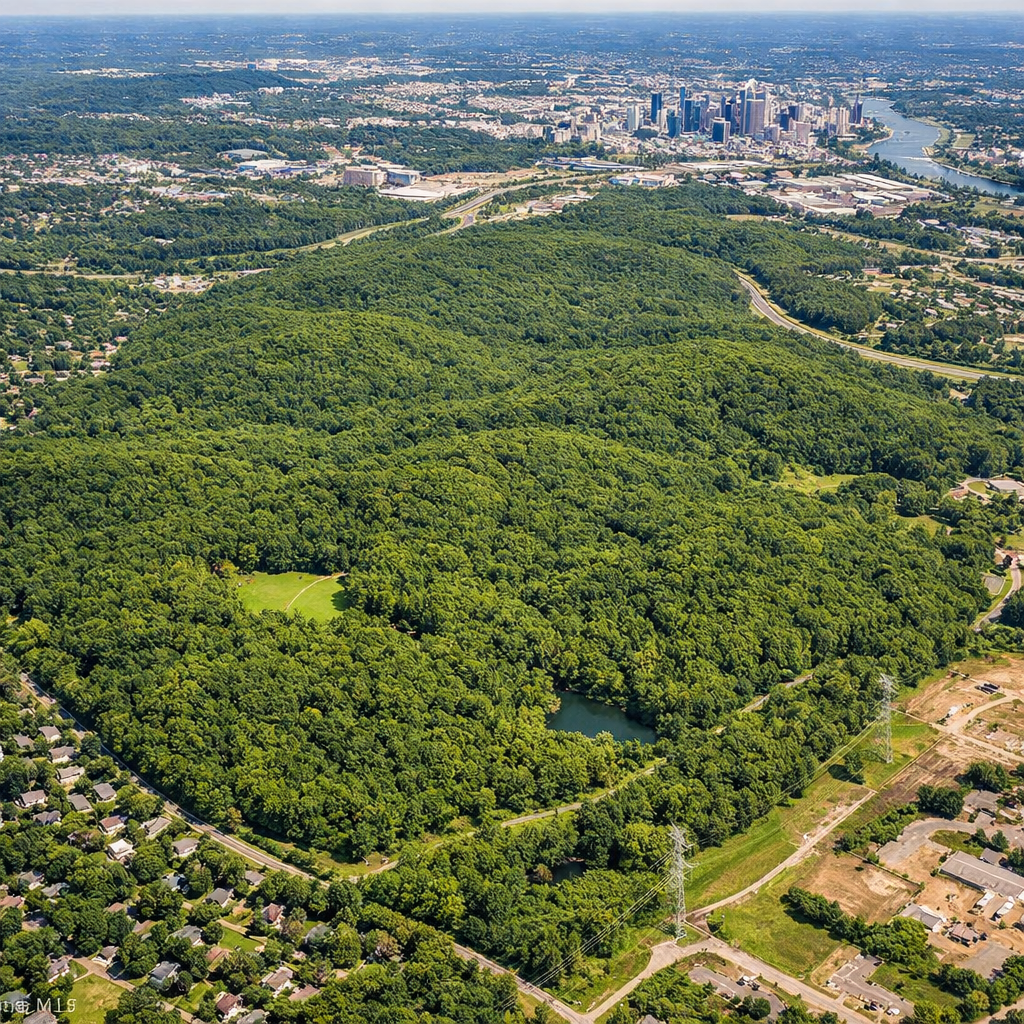
Nashville has been actively pursuing environmental sustainability through various initiatives aimed at preserving natural resources and promoting green practices. These efforts reflect the city’s commitment to fostering a healthier and more sustainable environment for its residents.
Expansion of Beaman Park
In a significant move to enhance urban green spaces, Metro Nashville acquired 300 acres of forest land to expand Beaman Park. This $3.2 million acquisition, finalized on July 10, 2026, in partnership with The Conservation Fund, underscores the city’s dedication to conserving natural habitats and providing residents with accessible green spaces. Mayor Freddie O’Connell highlighted the essential role forests play in environmental health, including cooling urban areas, filtering water, and improving air quality.
Advancements in Renewable Energy
Mayor O’Connell has proposed extending the lease for Music City Solar, Nashville’s first community solar project established in 2018. Located on a repurposed landfill near Briley Parkway and I-65, the facility has generated over 2 million kilowatt-hours of clean energy since its inception. The Metro Council is set to review the updated lease agreement on August 4, 2026, reflecting Nashville’s ongoing commitment to renewable energy and sustainable land use.
Ecological Conservation Strategy
Metro Planning has launched the Ecological Conservation Strategy (ECS), Nashville’s first countywide plan since the 2011 Open Space Plan. This 18-month initiative aims to assess the health of natural resources and develop an action plan to protect and connect the city’s natural spaces, ecosystems, and environmental systems. The ECS will explore opportunities to conserve waterways, forests, hilltops, hillsides, and green spaces while supporting Nashville’s growth.
Community Engagement and Education
Organizations like Urban Green Lab are instrumental in teaching communities how to live sustainably. As a 501(c)(3) nonprofit, Urban Green Lab envisions a Nashville where everyone has access to opportunities for learning about sustainable living. Their programs have reached 49% of Davidson County zip codes as of 2025, training educators and serving numerous organizations to promote sustainability education.
Additionally, the Nashville Earth Day festival, managed by the Centennial Park Conservancy since 2020, has donated $208,000 to support local environmental initiatives. These funds have been used to plant over 380 trees in various parks and introduce bee hives to multiple locations, fostering biodiversity and environmental stewardship.
Addressing Climate Change
Climate change poses significant challenges to Nashville, including increased temperatures, more frequent severe weather events, and health risks from humid heat. The city’s Climate Action Plan focuses on decarbonizing the electrical grid, enhancing energy efficiency, and promoting sustainable transportation to mitigate these impacts. Community involvement and adherence to sustainable practices are crucial in building resilience against climate change.
Nashville’s multifaceted approach to environmental sustainability demonstrates a strong commitment to preserving natural resources, promoting renewable energy, and engaging the community in conservation efforts. These initiatives not only enhance the quality of life for residents but also set a precedent for other cities aiming to balance growth with environmental stewardship.