

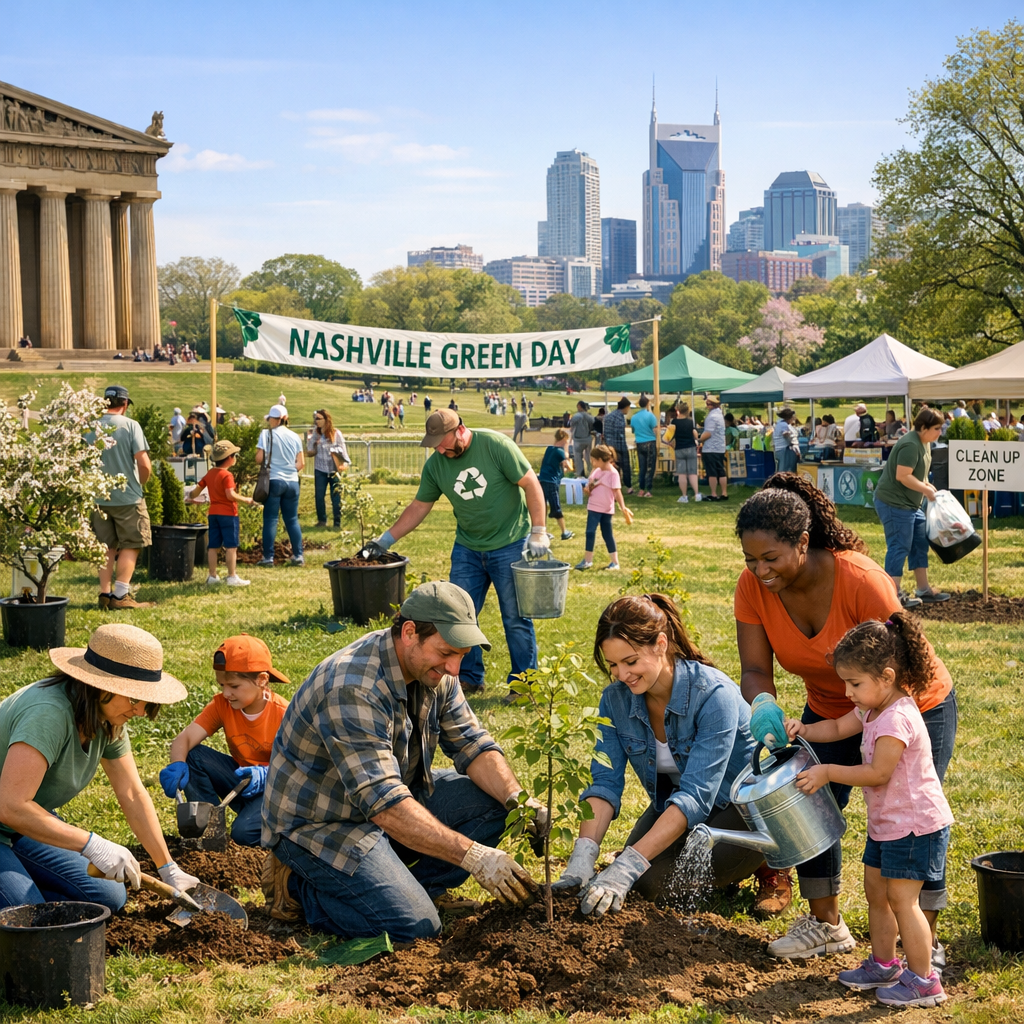
Nashville’s dedication to environmental sustainability is evident through various initiatives aimed at preserving natural resources and promoting green practices. The city’s approach encompasses community engagement, innovative projects, and strategic planning to ensure a sustainable future.
Community-Led Environmental Projects
Centennial Park Conservancy has been instrumental in supporting local environmental initiatives. Since 2020, the organization has donated a total of $208,000 to underwrite environmental projects in public spaces across Nashville. These projects focus on areas such as bees, trees, water, pollinator gardens, sustainability, and education. In 2025 alone, $48,000 was awarded to 17 organizations, underscoring the community’s commitment to environmental stewardship.
Educational Initiatives for Sustainable Living
Urban Green Lab, a Nashville-based nonprofit, plays a pivotal role in teaching communities how to live sustainably. The organization has trained 383 Metro Nashville Public Schools (MNPS) educators in sustainability education as of 2025, reaching 49% of Davidson County zip codes and serving 499 organizations. Their efforts aim to integrate sustainable practices into daily life, fostering a culture of environmental responsibility.
Strategic Planning for Ecological Conservation
Metro Planning has launched the Ecological Conservation Strategy (ECS) to shape a future where Nashville continues to grow while preserving its unique landscapes and ecosystems. This countywide plan assesses the health of natural resources and develops concrete action plans, including conservation priorities, pilot projects, and policy recommendations. The ECS represents Nashville’s first comprehensive plan for understanding the effects of recent growth on the county’s landscape since the 2011 Open Space Plan.
Green Infrastructure in Public Facilities
The Nashville Public Library – Donelson Branch exemplifies the city’s commitment to green infrastructure. Opened in June 2024, the 24,014-square-foot facility is a model of environmentally conscious design, earning LEED Gold Certification. Features such as geothermal wells, solar power, and native landscaping highlight the integration of sustainable practices in public spaces.
Zero Waste Initiatives
In December 2019, Nashville’s Solid Waste Region Board approved a Solid Waste Master Plan aiming to achieve 90% diversion of trash from landfills by reducing, reusing, recycling, and composting. The plan includes goals to increase recycling, reduce food waste, and adopt programs targeting construction and demolition waste. Strengthening public education programs is also a key component to help residents embrace sustainable waste management practices.
Nashville’s multifaceted approach to environmental sustainability reflects a collective effort to preserve the city’s natural beauty and resources. Through community engagement, education, strategic planning, and infrastructure development, Nashville is paving the way for a greener, more sustainable future.