

By Olivia Williams
Where Transit Is Headed
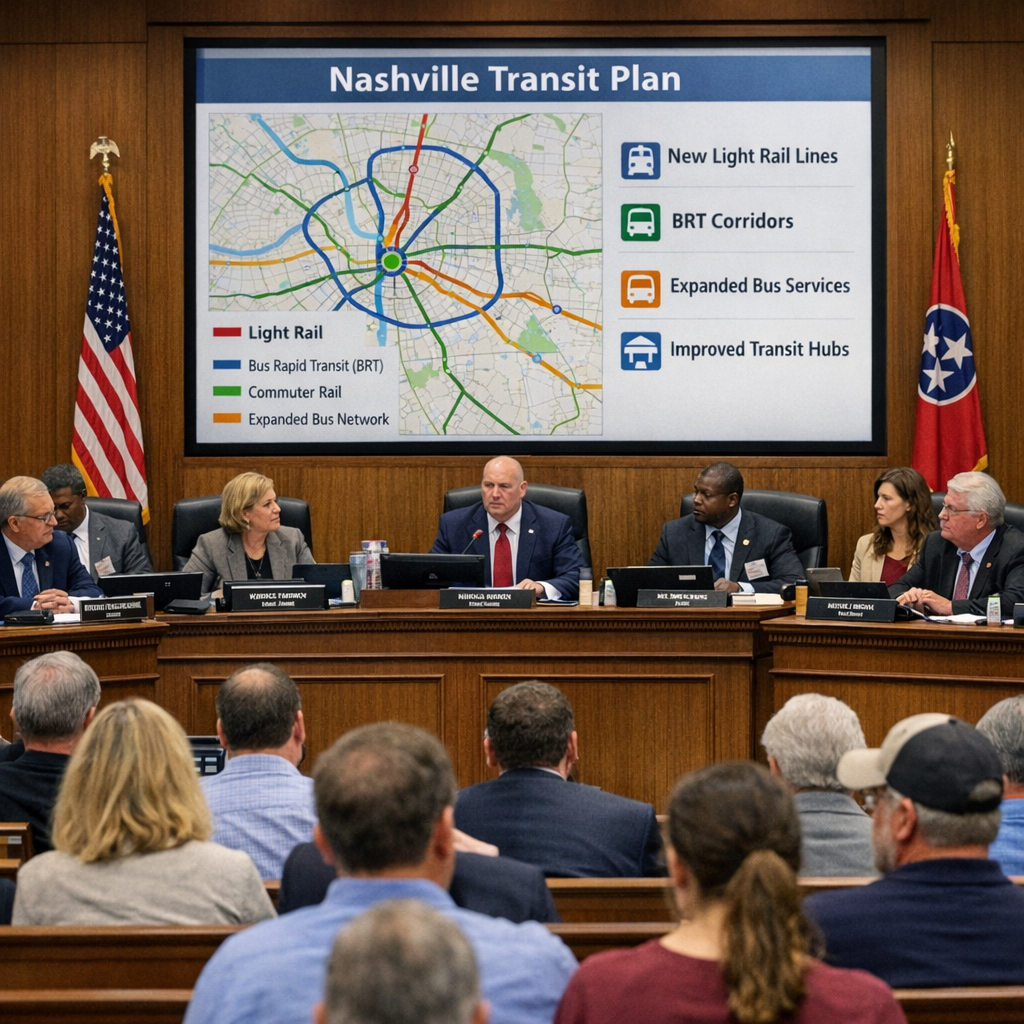
Nashville’s voter-approved Choose How You Move (CHYM) program is moving from plans into action, with more than $160 million now invested in projects across sidewalks, traffic signals, bus service, and safety improvements. Key corridors like Murfreesboro Pike have seen new transit queue jump lanes to speed up buses. Service hours, weekend transit options, and zones for WeGo Access have expanded, and smarter signals are being installed to ease congestion. The goal: safer, more reliable mobility for all Nashvillians.
Housing Affordability in Crisis
A recent Vanderbilt University poll found that 82% of residents believe they cannot afford to buy a home in Davidson County. That includes many renters and owners alike, who feel squeezed by rising prices and limited supply. Nashville’s Unified Housing Strategy is aiming to respond—through incentives for affordable-unit construction, bond proposals, and policies to balance neighborhood character with growth.
The Debate Over Data Centers
As Nashville’s tech sector expands, data centers have become increasingly controversial. Community meetings drew more than 200 speakers when the Metro Council discussed two bills designed to restrict data center growth. One of those bills establishes a temporary moratorium on new permits while tougher zoning standards are drafted. Many locals expressed concerns about environmental impact, noise, traffic, and the effects on nearby neighborhoods.
Why It Matters Locally
- Access. Improved transit means people who work odd hours or live far from downtown have more options.
- Equity. Affordable housing policies affect who gets to stay in growing neighborhoods.
- Livability. Data center regulations aim to protect both the environment and the quality of life in residential areas.
What To Watch Next
Look for Metro Council votes on housing bond measures, final language in data center zoning proposals, and upcoming CHYM-funded ribbon-cuttings or completed transit upgrades. For neighbors concerned about transit stops, bus routes, or housing changes, public hearings and committee meetings are chances to be heard.