

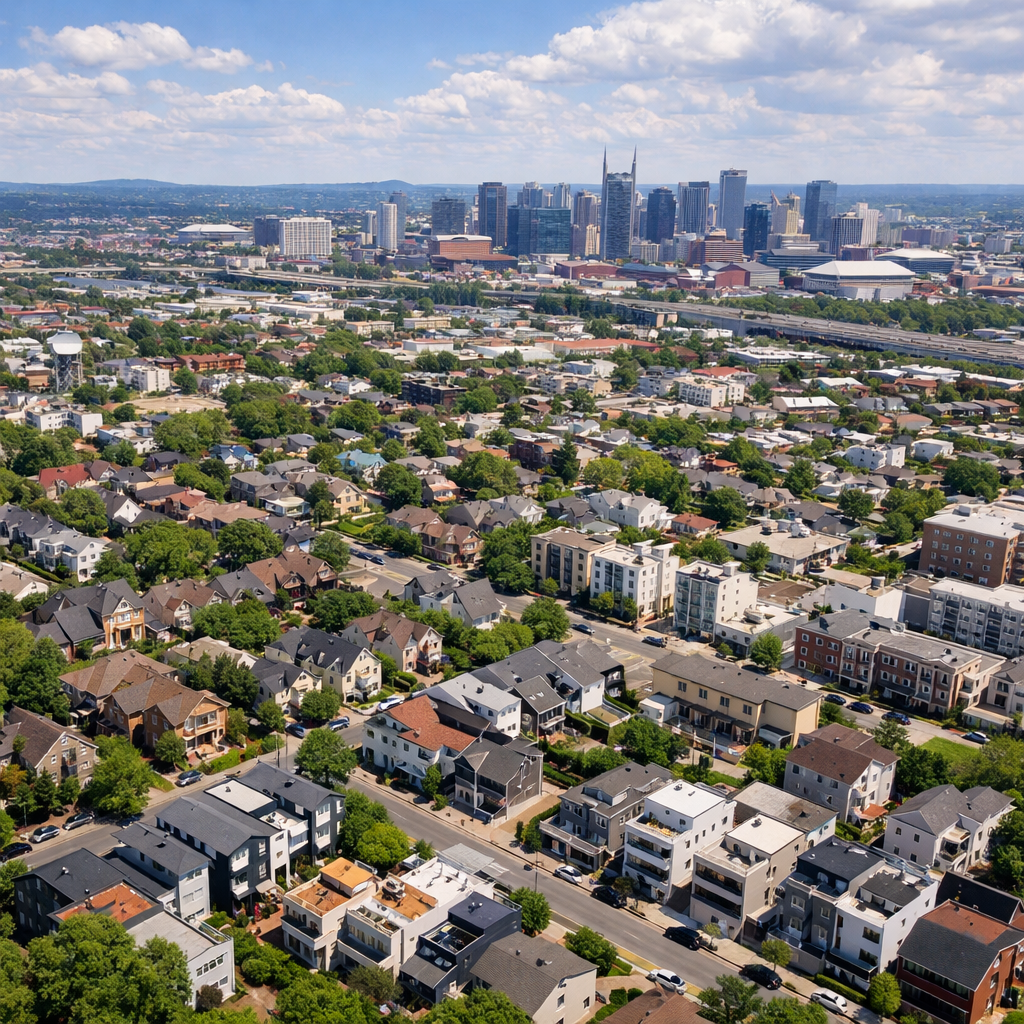
Nashville’s rapid growth and development have brought prosperity to many, but they have also intensified the city’s affordable housing crisis, disproportionately affecting African American residents. Recent reports highlight the widening gap in housing affordability and its impact on the community.
Rising Housing Costs and Income Disparities
According to the American Community Survey’s 2024 estimates, Nashville’s overall poverty rate stands at 11.9%, representing approximately 83,898 people. However, for African American residents, the poverty rate rises to 18.0%. This disparity is further exacerbated by higher unemployment rates among Black workers, who face an unemployment rate of 5.5%, nearly three times that of their white counterparts at 2.0%.
Cost-Burdened Renters
Nearly half of all renters in Nashville are considered “cost-burdened,” meaning they spend more than 30% of their income on housing. This financial strain limits their ability to afford other necessities such as healthcare, education, and transportation, contributing to a cycle of poverty and economic instability.
Community and Government Response
In response to these challenges, Metro Social Services has released an interactive mapping tool to better understand socio-economic patterns in Nashville. This tool identifies areas experiencing gentrification, wage disparities, and high poverty rates, providing valuable insights for policymakers and community organizations aiming to address these issues.
Mayor Freddie O’Connell’s administration has also prioritized affordable housing. The “Choose How You Move” initiative includes significant investments in transportation infrastructure, aiming to improve access to affordable housing and reduce transportation costs for residents.
Looking Ahead
Addressing Nashville’s affordable housing crisis requires a multifaceted approach, including policy reforms, community engagement, and strategic investments. By focusing on equitable development and ensuring that growth benefits all residents, Nashville can work towards a more inclusive and sustainable future.