

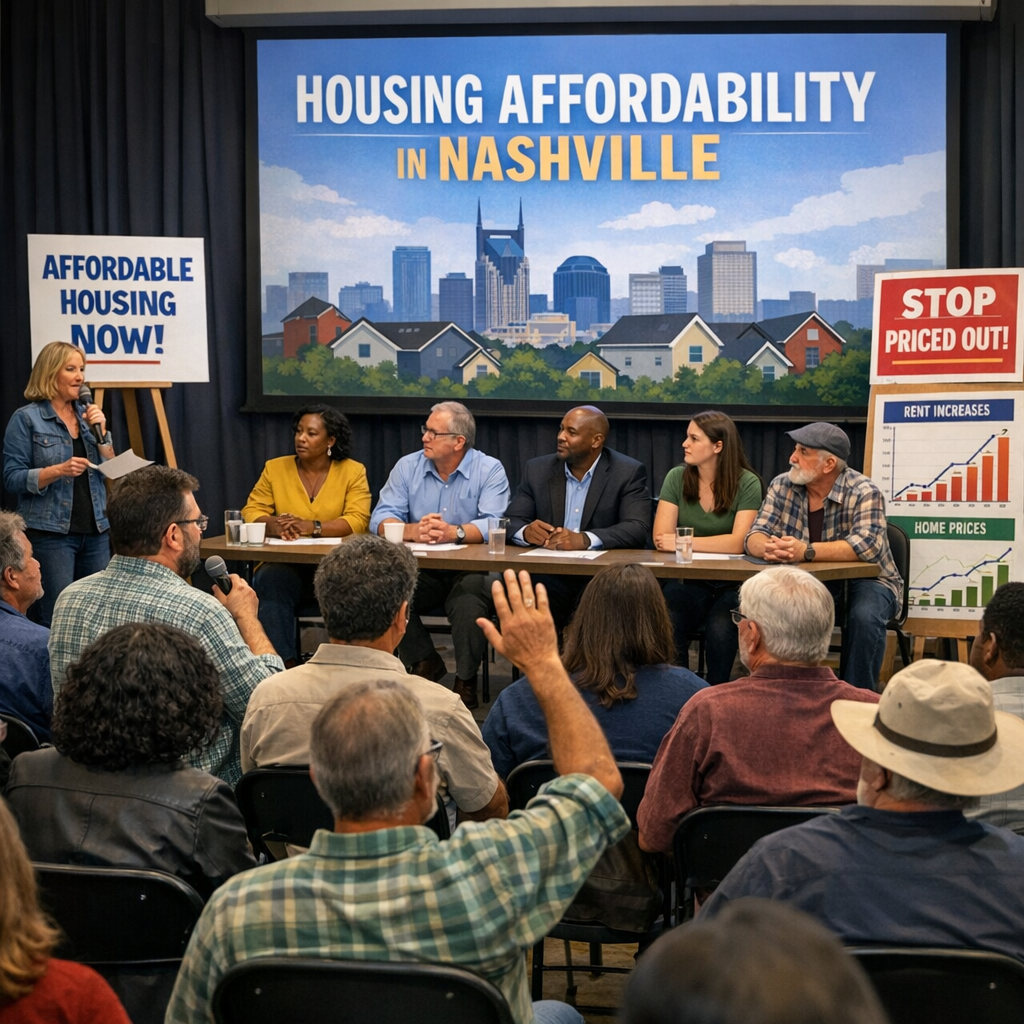
Recent assessments have shed light on the escalating affordability challenges confronting Nashville, with a pronounced impact on African American residents. The 17th annual Community Needs Evaluation (CNE) report, titled “Affordability Challenges for African Americans in Nashville: Enduring Legacies. Emerging Issues,” underscores these concerns.
Key Findings from the Community Needs Evaluation
The report reveals that Nashville’s overall poverty rate stands at 11.9%, equating to approximately 83,898 individuals. However, the poverty rate among African American residents is notably higher at 18.0%. Additionally, the unemployment rate for African Americans in Davidson County is 5.5%, nearly triple that of white residents at 2.0%. Housing affordability is another pressing issue, with nearly half of all renters in Nashville being “cost-burdened,” meaning they spend more than 30% of their income on housing.
Community and Leadership Responses
In response to these findings, community stakeholders, faith-based leaders, advocacy groups, and elected officials have convened to discuss and strategize solutions. Mayor Freddie O’Connell emphasized the urgency of addressing these disparities, highlighting ongoing efforts such as new transit access in North Nashville, investments in affordable housing, and support for minority-owned businesses. The goal is to create a Nashville where every resident can thrive.
Broader Implications and Future Outlook
The CNE report serves as a critical tool for understanding the socio-economic landscape of Nashville. By identifying historic and contemporary causes of the wealth gap and forecasting potential future impacts, the report aims to guide the development of targeted programs and policies. The collective efforts of community leaders and residents are essential in addressing these challenges and fostering a more equitable Nashville.