

By Olivia Williams
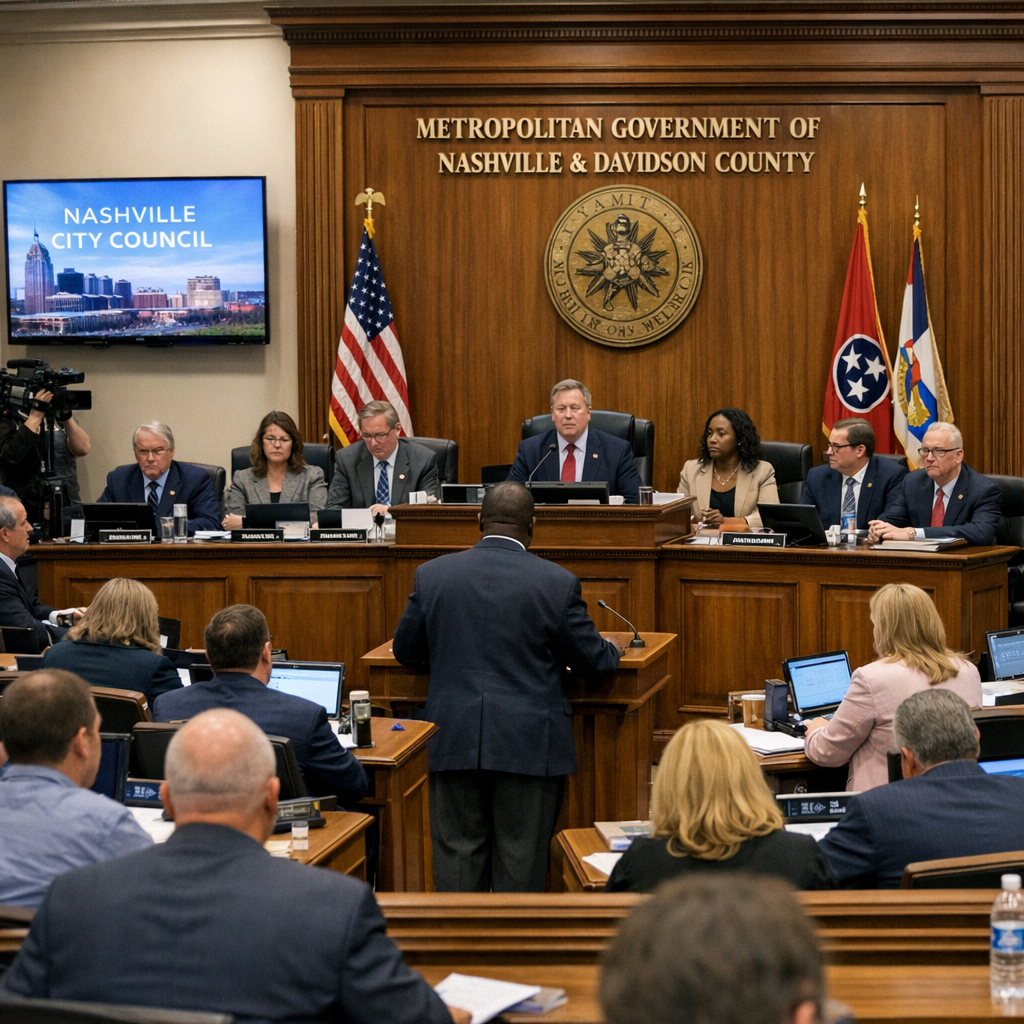
Nashville is under pressure: rising housing costs, intense debate over development, and growing concerns over how growth should be guided. In recent months, Metro Nashville’s leaders have put forward several major policy proposals and legislation aimed at preserving affordability, supporting small businesses, and managing the impacts of rapid growth. Here’s what’s happening (and what it could mean for you).
What’s on the Table for City Action
1. Grocery Tax Cut & Affordability Steps
The Metro Council passed a cut to the local sales tax on groceries, giving Nashvillians some direct financial relief. Leaders have also rolled out an affordability agenda, including investments in affordable housing and new support programs for residents facing economic pressures. The move reflects persistent feedback that cost of living is one of the area’s biggest challenges.
2. Rights for Renters Facing Eviction
A new eviction right-to-counsel program was approved, ensuring renters have access to legal support in housing court. This shift aims to balance power in landlord-tenant relationships and help residents stay in their homes during a contentious housing environment. Alongside that, city budget plans have included stronger support for housing stability and related services.
3. Pausing Big Data Center Projects
In response to community concerns, Mayor Freddie O’Connell recently signed an executive order directing city departments to study the environmental, infrastructure, economic, and neighborhood impacts of large data centers. Although state law limits Metro’s ability to completely block such developments, the administration is working with councilmembers on legislation to set stronger rules before more proposals move forward.
Why These Moves Matter & What’s Ahead
Balancing Growth With Livability
Nashville has seen big investment and an influx of new development, which brings benefits — jobs, improved infrastructure — but also risks: displacement, rising costs, and less affordable space for people and small businesses. These policy changes are an attempt to draw clearer lines around what kind of growth the city wants, and at what pace.
Community Impact and Participation
These proposals haven’t come out of nowhere — community members, affordable housing advocates, renters, and small business owners have all made their voices heard. Public hearings, feedback from neighborhoods, and protests against certain development plans (especially large-scale data centers) have helped shape the agenda. But how each policy gets implemented — especially funding, oversight, and enforcement — will determine whether it delivers real results.
What Residents Should Know & Do
- Track upcoming Metro Council votes — crucial bills, such as data center regulations or budget allocations, often depend on narrow margins.
- Attend or comment in public hearings, especially in your district; voices from everyday Nashvillians are influencing outcomes.
- Explore what new programs might mean for you—renters, small business owners, or those facing rising bills.
- Keep an eye on how various departments measure progress—housing affordability metrics, eviction rates, infrastructure strain—as you assess whether these changes are more than words.
The challenges facing Nashville won’t be resolved overnight. But the city is taking visible steps toward balancing growth with fairness. How these policies are carried out over the coming months will show whether things are shifting in a way that benefits all Nashvillians, or only some.