

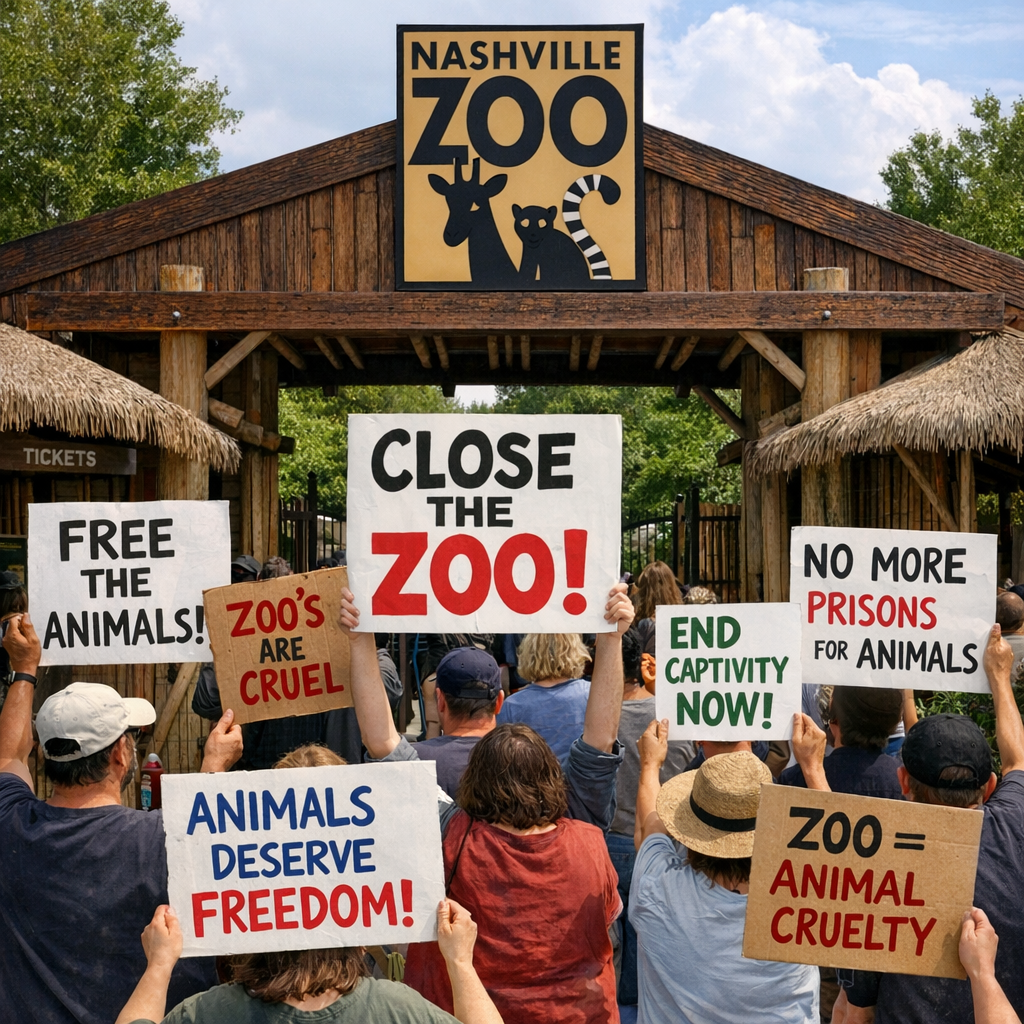
The Nashville Zoo, a cherished institution in our community, is at the center of a growing controversy over a proposed data center by DC BLOX. The planned 69,000-square-foot facility, located just 50 yards from the zoo, has sparked significant opposition from both the zoo’s leadership and local residents.
Community Concerns
Zoo officials and supporters have raised alarms about potential threats to animal welfare, including noise and light pollution that could disturb sensitive species. The proximity of the data center to animal habitats is particularly concerning, with fears that it could disrupt breeding programs and daily operations.
In response, the zoo launched an online petition that has garnered over 375,000 signatures within a week, reflecting widespread public support for halting the project.
Political Response
The issue has also caught the attention of political figures. U.S. Senator Marsha Blackburn expressed her opposition, emphasizing the importance of thoughtful site selection for data centers to protect community assets like the Nashville Zoo. Her stance underscores the bipartisan concern over the project’s potential impact.
Legislative Actions
In light of the controversy, the Metro Planning Commission is considering new legislation that would impose strict zoning rules for data centers in Davidson County. The proposed bill aims to ban centers over 500,000 square feet and enforce stringent buffer zones and cooling system requirements on smaller facilities. While the DC BLOX facility falls below the size threshold, its proximity to the zoo could still lead to its prohibition under the new regulations.
Broader Implications
This local dispute reflects a national trend of communities questioning the environmental and infrastructural impacts of rapid data center expansion. As Nashville continues to grow, balancing technological advancement with the preservation of community resources and environmental integrity remains a critical challenge.