

By Olivia Williams
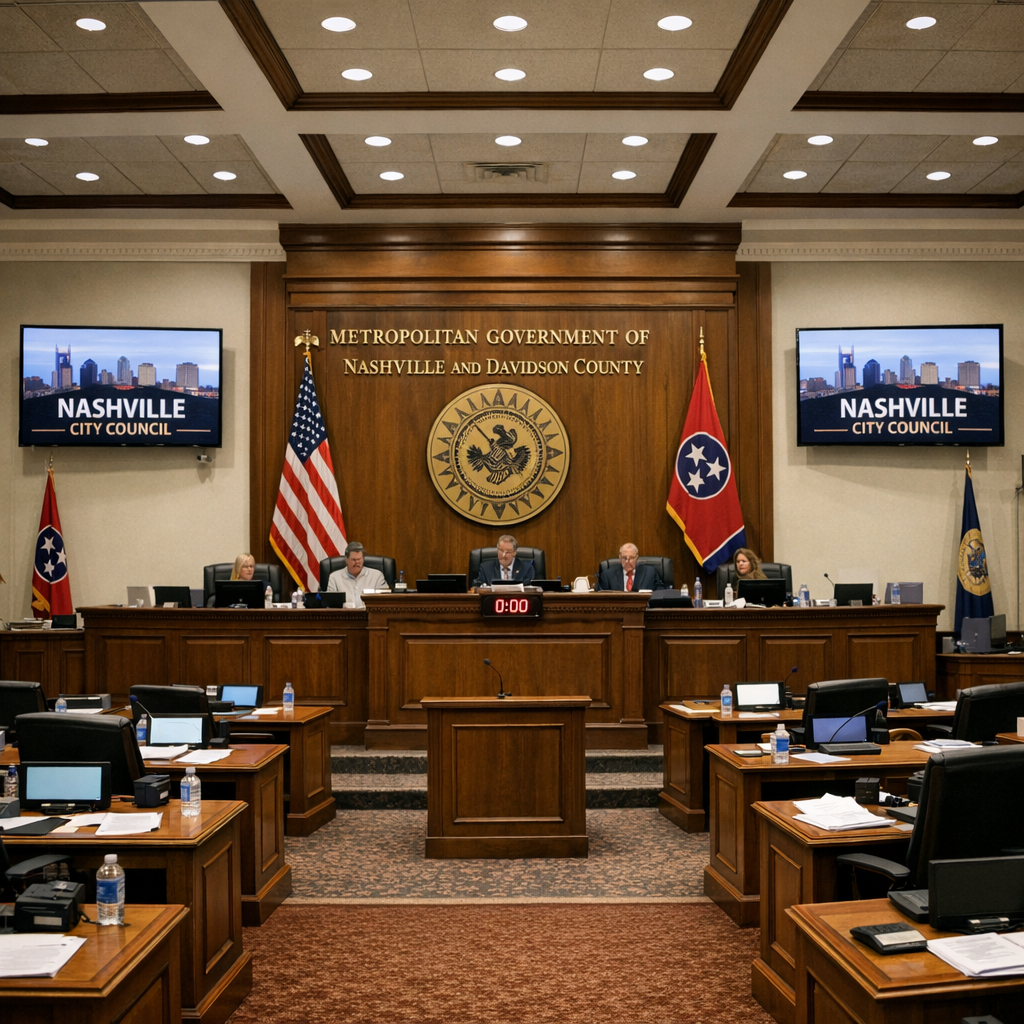
Nashville’s Metropolitan Council has taken a significant step to prevent a large-scale data center from moving forward near the city zoo by approving a measure that authorizes the use of eminent domain. The council voted 27-5 in favor of acquiring the criticized property, sparking a debate that cuts to the core of land use, community priorities, and environmental protection. The property at issue was under serious consideration for a data center project valued at roughly $700 million.
Why the Move?
The site’s proximity to the zoo has raised alarm among residents and environmental advocates who worry about noise, traffic, and potential disruptions to animal habitats. Concerns also include water use, energy demands, and the broader footprint of such data-intensive facilities.
Supporters of the condemnation argue that protecting public green space and prioritizing neighborhood livability must take precedence over large commercial developments, especially when those developments carry possible negative environmental externalities.
Legal and Community Impacts
Eminent domain allows the city to force a sale if a developer refuses to cooperate. Still, it requires fair compensation and could lead to litigation. Developers claim the project would bring jobs and technological infrastructure, while opponents hold that the risks outweigh the benefits in this case.
Local groups have pushed for stricter oversight of data center zoning, including a temporary moratorium and tighter regulations around public notice. In recent Metro Council sessions, bills like BL2026-1391 and BL2026-1448 responded to residents’ input and concern over environmental impacts, wildlife protection, and noisy, power-hungry facilities.
Where Do Things Stand?
The eminent domain vote formally gives the city legal authority to pursue acquiring the site for public interest, but it doesn’t yet ensure land control. The next steps will involve negotiations or court decisions to establish a purchase price. Meanwhile, the broader data center legislation—intended to regulate where and how such facilities are sited—is already in motion.
Many residents are watching closely: with data centers increasingly in demand and digital infrastructure expanding, this decision sets a precedent. Are we turning a corner toward more community-led land use decisions? Or does the clash over control and development reveal deeper tensions about Nashville’s future?
It’s a moment that may shape how growth, environment, and public interest balance in the years to come.