

By Sophia Anderson
What’s Changing for Buyers
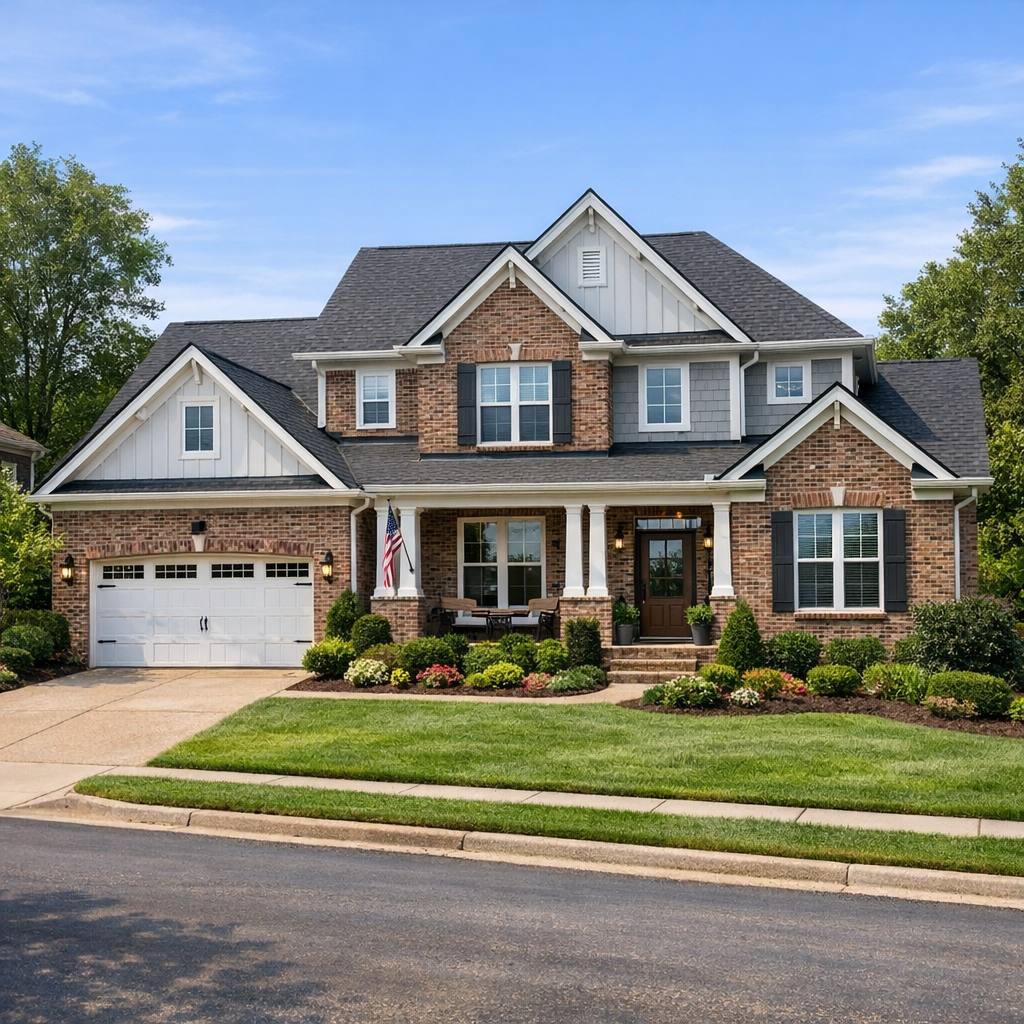
House prices in Greater Nashville are still rising overall, but not as explosively as in past years. The median sale price for a single-family home has reached around $535,000—a modest increase over last year. Condominiums have also seen a price rise, though less steep. At the same time, there’s significantly more inventory than before, giving buyers more options and more time to decide. Homes are staying on the market longer than in recent years. Sellers are increasingly open to price cuts and negotiations, especially if their listings have lingered. This is tilting the market toward buyers.
Rental Market: Mixed Signals
For renters, trends are more varied by property type and location. Across all apartment types, average rent in Nashville stands near $1,850 a month, with two-bedroom units averaging around $2,050. Some neighborhoods are seeing rent increases, particularly in 4-bedroom condo or townhome rentals, while smaller units in more central locations have seen small declines or flat growth.
One notable gap remains between apartments and condos/townhomes: for equivalent bedroom counts, the latter tend to cost more—often significantly so—especially outside the urban core.
Where Affordable Options Are Emerging
Suburbs and exurban counties like Rutherford, Dickson, and parts of Montgomery are gaining appeal for those looking for more affordable housing without giving up commuting convenience. Buyers and renters alike are exploring pushes further out from central Nashville—West, East, and certain South neighborhoods—to find better value.
What To Keep in Mind If You’re Moving, Buying, or Renting
- Get pre-approved and act with speed. Even with rising inventory, popular properties still draw interest fast.
- Compare property types and be flexible. Looking at condos, townhomes, or homes in fringe areas may save a lot of cost.
- Sellers—price realistically from the start. Homes priced too high risk being on the market for much longer and requiring reductions.
- Renters—know the trade-offs. Higher rents for larger units or newer condos might mean longer commute times or fewer amenities compared to apartments in the city center.
Looking Ahead
Economists and real estate experts expect Nashville’s housing market will remain resilient. While affordability challenges persist—particularly for first-time buyers—greater balance between supply and demand could bring more stability. Meanwhile, rental segments will likely keep diverging: luxury and family-size units may climb, while studios and small one-bedrooms see more modest movement.
For those weighing their options this year, there has never been a better time to weigh location, property type, and timing carefully. With inventory up and buyer leverage increasing, the strategy matters more than ever.