

By Isabella Rodriguez
Changing Dynamics Among Nashville High Schools
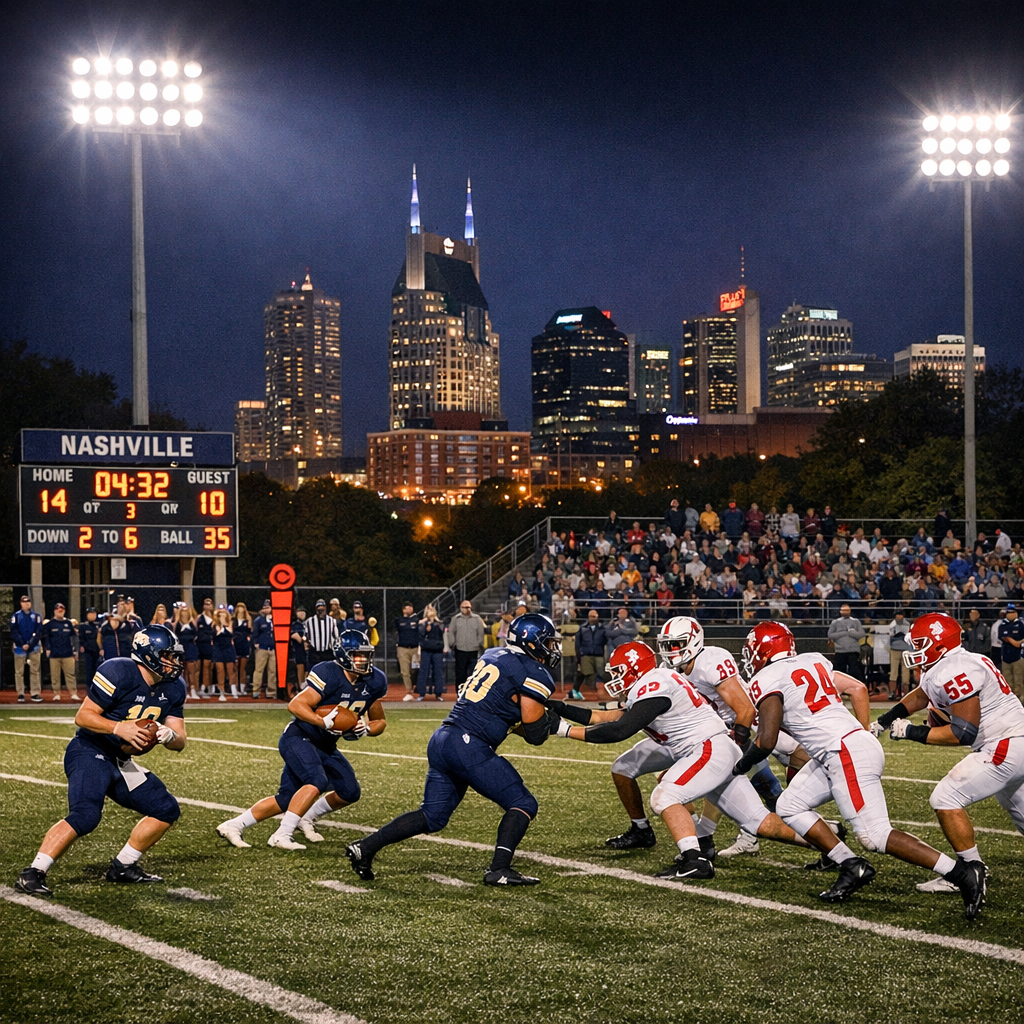
In recent seasons, several Nashville-area public high schools have been working to close gaps with private and smaller schools in football dominance. Programs like East Nashville High have returned experienced quarterbacks and bolstered skill positions after years of being overshadowed in 2A and 3A classifications. Officials and fans alike are wondering: will this be the year a public school wins gold in the small-class divisions?
Strength & Tradition in Smaller Schools
Meanwhile, Division II-Class A schools around Nashville continue to set a standard of excellence. Schools like Nashville Christian have kept the bar high: dominant performances in state title games are part of the reason their programs are often seen as benchmarks in this classification. These programs invest heavily in coaching, youth feeder systems, and year-round training to maintain their edge.
Key Players and Coaches Poised to Make an Impact
One coach gaining attention is the mentor guiding East Nashville’s varsity squad. Following a 6-6 season, the program returned many starters including its quarterback Dallas Covington, who has become emblematic of the public school resurgence movement. With improved offensive line protection and depth at skill spots, East Nashville looks like one of the most realistic challengers for a title.
Broader Challenges & Opportunities
Public schools still face headwinds: limited budgets, varying facility quality, and disparities in youth development programs compared to private schools. These disadvantages can hinder everything from recruiting assistant coaches to maintaining equipment.
On the other hand, momentum is growing. Rising community support, increased media attention, and structural changes in classification promise new opportunities. As fans engage more and more, attendance at games and recognition for student-athletes are on the rise.
Looking Ahead: What to Watch
- How public school teams perform against the traditional powerhouses in Playoff and State Tournament rounds.
- Which players emerge as breakout stars—especially quarterbacks and defensive leaders who can change expectations overnight.
- If coaching moves or transfers make significant turns: when programs combine resources or shift coaching strategies, balance in competitiveness often follows.
- The role of community investment in feeding youth programs: strength at middle and junior high levels tends to translate to success later.
Whatever happens this season, what’s clear is Nashville’s high school football landscape is more competitive than it has been in years. Public schools, backed by committed coaches and communities, are no longer just playing catch-up—they’re part of the story.