

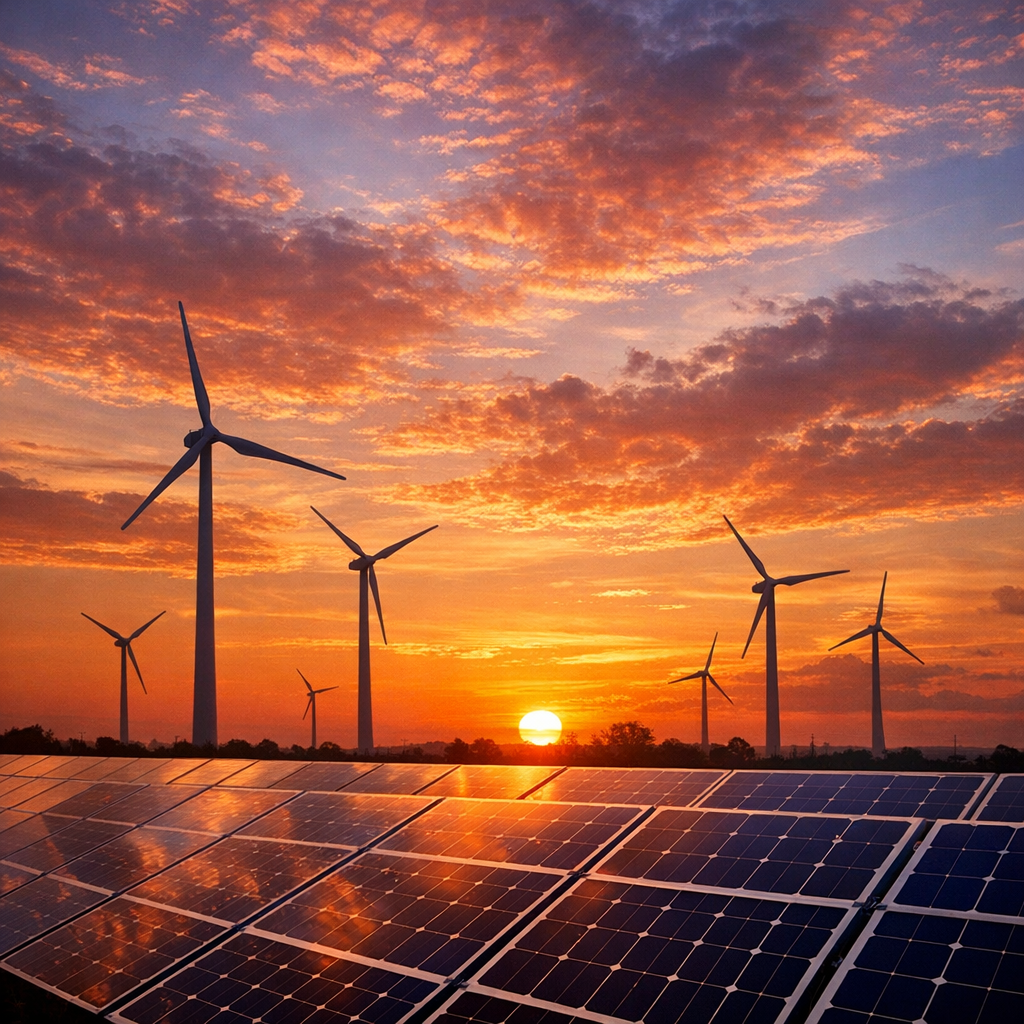
In many parts of the world, the energy future that’s been talked about for years is now visibly taking shape. Renewable energy is no longer just an ambitious goal — it’s redefining how we generate power globally. As coal-fired electricity declines and solar and wind take the lead, the shift marks more than just a trend; it’s becoming the new global baseline.
Renewables Unseat Coal as a Dominant Power Source
In 2025, global electricity generation from renewable sources surpassed the amount from coal for the first time. That change was driven overwhelmingly by solar power, which saw its largest year-over-year growth yet. Coal energy generation in some countries fell, while solar power, in particular, surged across Asia, the Middle East, and parts of Africa. This isn’t about a few green breakthroughs—it’s a tilt in the balance. Sources that did not exist at scale just a decade ago are now major players in energy supply.
Solar and Wind’s Meteoric Rise
Solar photovoltaic (PV) capacity additions set records. The year saw hundreds of gigawatts added globally, with solar making up the bulk of that growth. Wind didn’t lag far behind, though supply chain problems and policy shifts introduced some challenges. Together, solar and wind are now providing a growing share of daily electricity demand in many regions, shaping where grids are modernized and how energy storage strategies are developed.
Global Impacts: Climate, Security, and Economics
These energy shifts have ripple effects: countries leaning into renewables gain more control over energy costs and reduce exposure to volatile fossil-fuel markets. That helps with national energy security. But climate goals are still under pressure. Despite renewables’ gains, global energy-related CO₂ emissions ticked upward in recent periods. To aim for the targets set in international climate agreements, countries will need stronger policies, faster deployment of clean technologies, and investment in grid flexibility.
What This Means for Communities Like Nashville
Even here, the changing energy landscape matters. As solar and wind become cheaper and more accessible, grid upgrades and clean energy incentives can bring local benefits: job growth in green infrastructure, reduced power bills, and cleaner air. Local governments are increasingly asked to plan for renewable integration in ways that align with global trends—because the tools and economic forces moving the world are already on their way.
What was once seen as futuristic is now in motion. The world is moving toward a power future that is cleaner, more decentralized, and powered increasingly by wind and sunshine. And though obstacles remain—political will, regulatory hurdles, and investment gaps—this much is clear: the global energy map is being redrawn.