

By Isabella Rodriguez
In Nashville, sports are more than Friday night lights and college rivalries. They’re a thread that knits together neighborhoods, youth development, and sometimes even vital pathways to higher education. Between evolving opportunities in youth leagues, expanding college recruiting dynamics, and community wellness programs, there’s much worth exploring beyond the scoreboard.
Youth Leagues and Accessible Opportunities
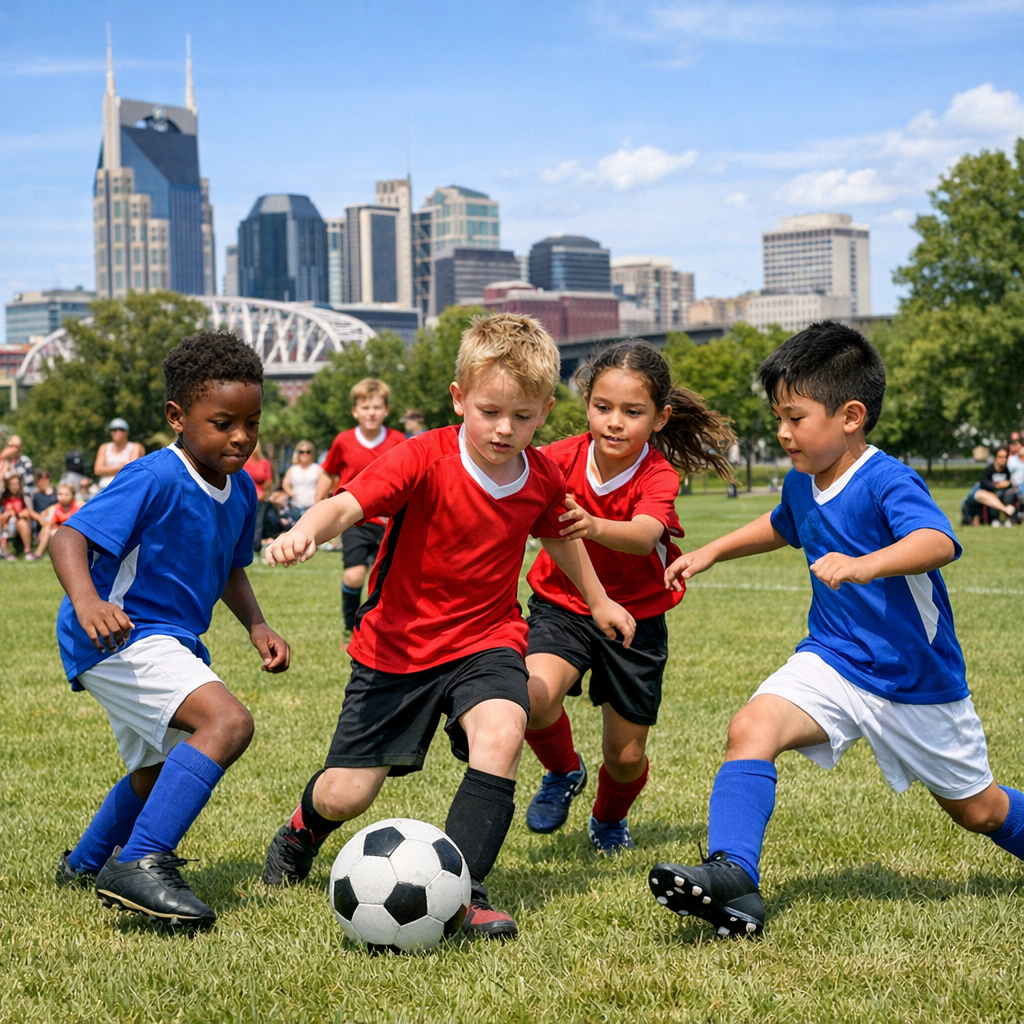
Nashville has made strides ensuring that young people of all ages and skill levels have access to sports. The Metro Parks and Recreation department runs soccer, flag football, basketball, tee-ball, tennis, and more—designed to serve both competitive and casual players across the city and Davidson County. Registration is often available well in advance, with options for Pre-K through middle schoolers, helping parents plan. Metro Parks also includes adaptive and inclusive sports programs, ensuring those with disabilities are part of the action.
Organizations like YMCA of Middle Tennessee offer fall soccer and flag football, matching children by age or school grade, and often with rotating practice sites to ease travel burdens. Similarly, N Zone Sports covers a wide geographic footprint—from Green Hills to Bellevue—so youth can play close to home, with no tryouts or drafts, emphasizing participation and fun as much as competition.
How Community Centers Enhance Local Access
Centers like Barefoot Republic provide gym space, open-track indoor training, and athletics along with day camps and wellness classes. For many families, these centers become after-school lifelines—places where children can grow physically, socially, and mentally without needing to travel far or invest in elite training.
High School and College Recruiting Dynamics
Tennessee remains a hotbed for high school sports, with local rivalries and private and public school programs attracting attention from college scouts. The rise of social media exposure and specialized camps means student-athletes now have more platforms to showcase their skills. Coaching networks and camps often play a crucial role in helping players develop both technically and in awareness of college expectations—grades, athletic performance, character.
At the college level, universities are adapting to shifting expectations. With Name, Image, and Likeness (NIL) rights now an active part of college athletics, student-athletes are not just competing on the field—they’re considering sponsorship potential and branding. Schools that offer strong academic support, NIL-savvy staff, and exposure can have an edge in recruiting. That said, the core still matters: hard work, coachability, and consistency are often what separate those who move on from hometown stars to collegiate contributors.
Health, Wellness, and Community Impact
Beyond the competition, sports play a critical role in Nashville’s public health and community cohesion. Programs through Metro Parks, YMCA, and nonprofits like Buddy Up for Life offer fitness, dance, pickleball, and sports clinics that build strength, confidence, and social connections—particularly for youth who may otherwise lack outlets for physical activity.
Through swim programs for children with special needs, open-youth gym hours, and affordable clinics, sports are helping reduce barriers. Investments in multi-use complexes, parks access, and public-private initiatives are helping bridge gaps—bringing sports closer to under-served neighborhoods and helping support facilities like pools, tracks, and fields.
The Takeaways for Families and Local Coaches
- Start local: Leagues and centers in your neighborhood often offer low-pressure entry points as your child explores sports.
- Consistency pays: Youth players who commit to regular team practice or development camps often draw more attention from coaches later.
- Know what matters: Character, grades, and off-field behavior are just as important as athletic performance.
- Push for access: Communities benefit when every child has physical outlets; volunteer, advocate, or support local programs.
Sport in Nashville isn’t just about how many points you score—it’s about building healthier individuals, stronger neighborhoods, and keeping alive the tradition that this city plays hard and plays together.