

By Olivia Williams
Overview of Recent Council Decisions
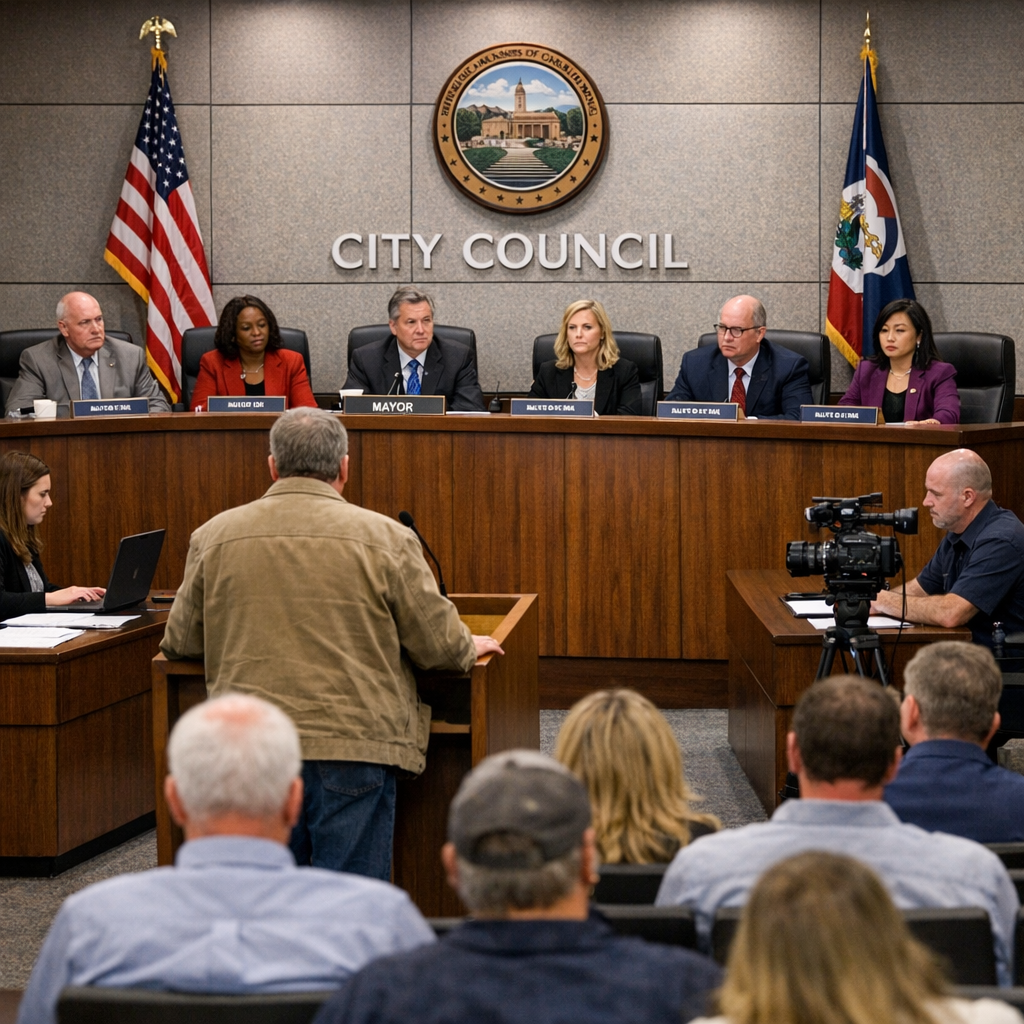
The Nashville Metro Council and Mayor’s Office have recently approved several policy changes and budget allocations intended to respond to the urgent needs voiced by residents—particularly in areas like public safety, housing stability, and health services. These decisions reflect ongoing debates about how to best balance enforcement, infrastructure, and community-driven solutions.
Operating & Capital Budgets Prioritize Residents’ Needs
In the most recent fiscal cycle, the Council passed the FY 2027 operating budget, which includes a lowered local sales tax on groceries and a new “right to counsel” for renters facing eviction. These steps aim to ease financial burdens and prevent housing displacement. At the same time, the capital improvements plan for 2026–2032 laid out funding for infrastructure, safety, public health, and neighborhood investment. Additionally, a temporary moratorium was put in place for new permits on data center developments—this pause intends to give the city more review time for those projects.
Safety Measures Under Review and Pushback
Safety remains a top concern for Nashvillians. A task force was convened to develop a comprehensive community safety plan involving public health, policing, and prevention efforts. Among proposals under consideration is a ban on right turns at red lights across many city intersections—a move intended to reduce pedestrian and cyclist injuries and deaths.
Meanwhile, a recent MNPD initiative deploying drones as first responders has raised questions about oversight. Community members and councilmembers alike are calling for clearer guidelines, especially around privacy and transparency.
Community Health, Support, and Inclusion Efforts
City leaders have also committed to expanding supportive services. Grants and funds have been approved for harm-reduction programs targeting people returning from incarceration, HIV outreach, food access, and stabilization services. Nonprofit organizations are receiving increased support. Another piece of recent legislation is an education initiative to help youth, parents, schools, and city agencies tackle online extremist content affecting young people.
Downtown Controversies & Special District Oversight
The Downtown Central Business Improvement District (CBID) budget was narrowly approved, but not without criticism. Members of the Council questioned the effectiveness of the Nashville Downtown Partnership in addressing street-level safety and maintaining clean sidewalks. Some expressed concern about the perceived gap between tourist-facing gloss and the daily safety of residents. Oversight and accountability are currently under heightened community scrutiny.
What to Watch Moving Forward
- How the “right to counsel” policy actually gets implemented and whether it prevents evictions in practice.
- The outcome of the proposed ban on right turns at red lights, including community feedback and potential design adjustments.
- Final versions of the community safety plan and whether they include restorative justice or mental health components.
- More transparency around surveillance, drone use, and how special districts like CBID enforce safety without bias.
The Council’s moves show intent to address long-standing challenges. Whether these policies translate into safer streets, fair housing, and stronger, more inclusive services is what residents will be monitoring closely in the weeks and months ahead.