

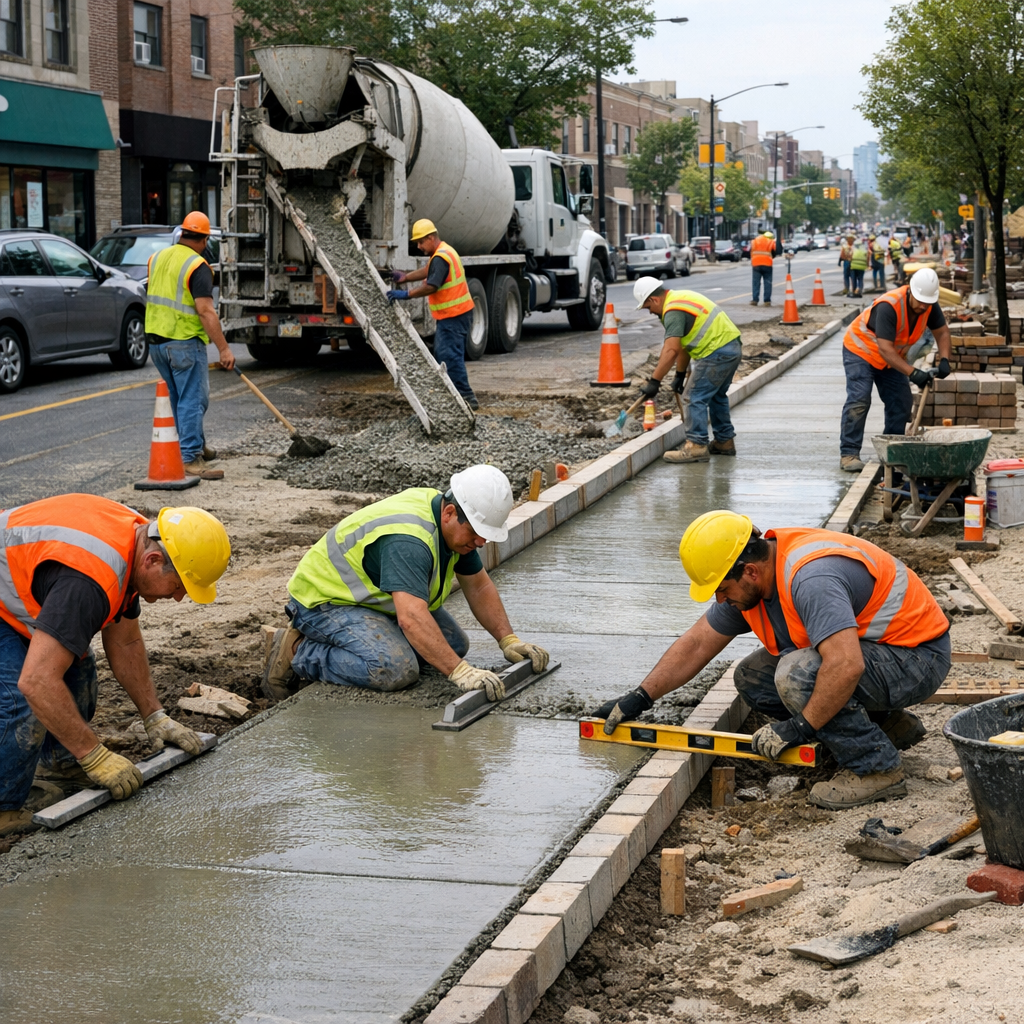
NASHVILLE — In the wake of rapid changes in growth and accessibility pressures, Nashville’s Choose How You Move plan is beginning to transition from policy to pavement. With dedicated funding in place, the city is making visible progress on public transit, streets, sidewalks, and corridors meant to reshape how people travel every day. Below is what’s moving, what still needs work, and what Nashvillians are saying.
What’s underway: sidewalk gaps, signals, “all-access” corridors
The first year of Choose How You Move has already launched more than $163 million in projects to modernize the city’s mobility infrastructure. Among those: several critical sidewalk projects closing long-standing gaps and improving access for people walking and rolling; upgrades to traffic signals designed to reduce waiting times and enhance safety; and the start of projects along planned “all-access corridors” for transit, walking, and biking. These corridors—54 miles in total—are key to connecting neighborhoods across Davidson County and making public transportation more usable.
Why the shift matters: bridging gaps in transit and housing
For years, many Nashvillians have expressed frustration around unreliable buses, unsafe pedestrian routes, and infrastructure that hasn’t kept pace with growth. The transportation plan aims to tackle all of those, while also supporting transit-oriented development, which links housing and growth to transit hubs. This kind of development promises to reduce transportation costs for more residents and promote equitable access to employer and education opportunities.
What’s left to do: trust, execution, and listening more
- Detail and transparency: Some residents and council members are still pressing for clearer data around where dollars are going, what timelines look like, and how long street and corridor work will impact daily life.
- Community input: Planning has involved tens of thousands of inputs so far—from surveys to neighborhood meetings—but there’s concern certain areas feel less heard, especially where historical infrastructure inequities persist.
- Scaling bigger: Projects so far are landmark starts—but for many Nashvillians, transformative impact will be felt only when transit reliability increases everywhere and walking or biking becomes a viable choice. That means keeping up the pace and ensuring ongoing funding and political will.
Spotlight neighborhoods: where change is visible
Neighborhoods along major corridors like Gallatin Pike, Nolensville Pike, and Murfreesboro Pike are seeing some of the earliest improvements. Pedestrian safety enhancements, bus stop upgrades, and signal synchronization are among the first visible signs. Areas with less investment historically are watching closely to temper skepticism and ensure progress is affordable, equitable, and long-lasting.
What to watch for in coming months
• Metro Council meetings where transportation funding allocations are debated.
• Public-facing dashboards tracking project timelines, especially for sidewalks and signal upgrades.
• Updates to zoning and land-use rules near transit corridors, to spur housing near frequent bus and multi-modal stops.
• New neighborhood forums where residents can directly raise concerns about construction disruptions, safety, or equity.
This transportation overhaul may be one of the most enduring pieces of civic infrastructure Nashville builds in our lifetime—not just roads and buses, but the ability to move more freely across town, affordably and safely. I’m Olivia Williams, covering Nashville’s shifting landscapes so you can stay ahead of what’s coming.