

By Isabella Rodriguez
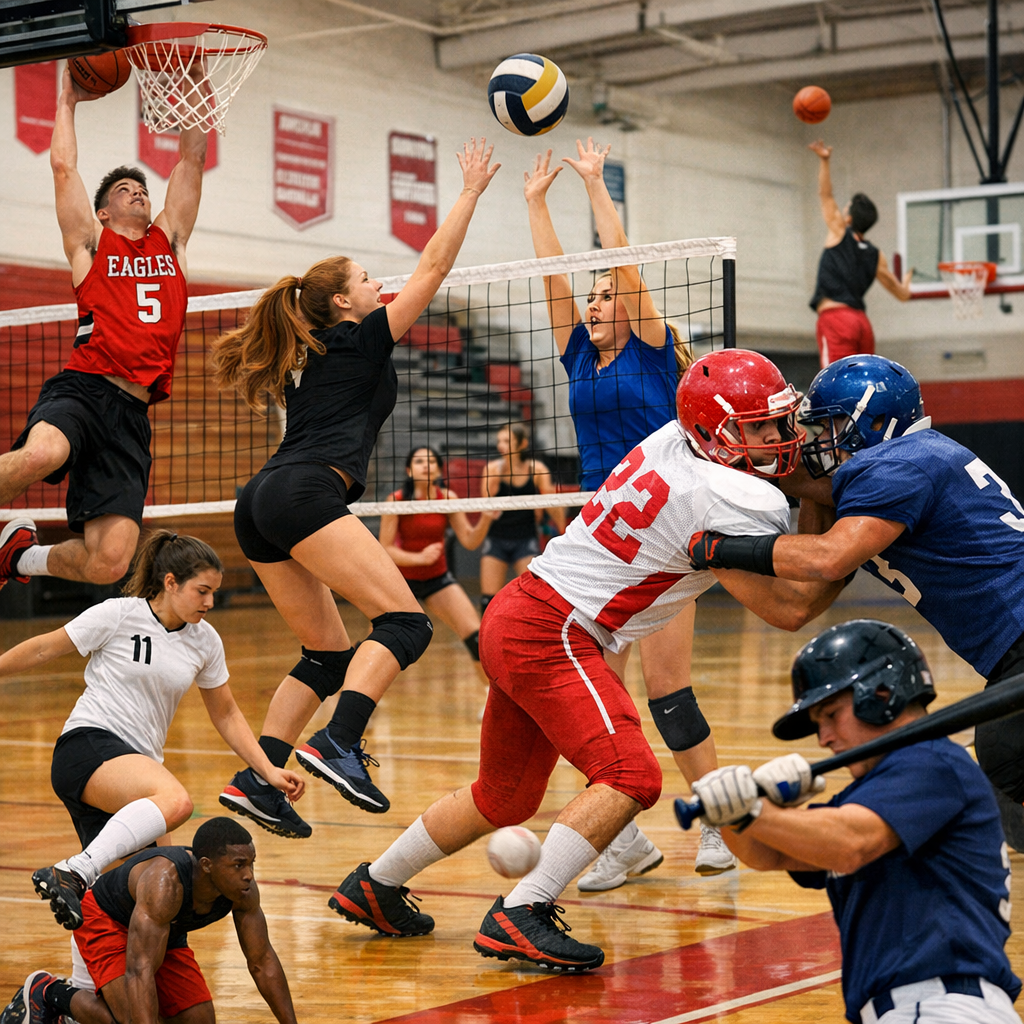
Nashville’s sports community—high school, college, club, and professional—is part of a larger wave changing sports across the U.S. Recent research reveals growing participation, evolving fan loyalties, and new challenges. Here’s how national trends are showing up locally.
More Players, Fewer Coaches
According to the SFIA, over 92 million Americans ages 6 and up played a team sport in 2025—a record high. While youth participation rose, the number of coaches for ages 6–14 dropped for the third year in a row. The consequence: participants per coach has increased, placing strains on organizing teams and support programs.
What this means in Nashville: youth sports programs and MNPS-affiliated schools may already be facing shortages of volunteer or paid coaches. Game schedules, practice intensity, and safety oversight all rely heavily on consistent coaching staff.
Rising Sports & Emerging Favorites
Several sports are enjoying rapid growth nationally. Pickleball has exploded in popularity—one study reported nearly 483% growth since 2014. Tennis, outdoor soccer, wrestling, and fast-pitch softball are also seeing increases in participation on one- and multi-year scales.
In Nashville, community leagues and school teams are responding. Tennis courts at public parks are more frequently booked; schools are fielding more fast-pitch softball teams; clubs are expanding youth soccer offerings. These shifts are reshaping facilities, scheduling, and what kids choose in middle and high school.
Local High Schools: Multi-Sport Athletes in Focus
Data from the Tennessee Secondary School Athletic Association (TSSAA) shows many Nashville-area high schools maintaining strong levels of multi-sport participation. At schools like Ensworth and Nolensville, hundreds of students compete in multiple sports per year, helping build versatility and reducing burnout risk.
Schools that promote multi-sport involvement see benefits beyond sports: better all-round athletic development, greater opportunities, and often improved academic engagement. And as emerging sports rise, multi-sport athletes help bridge traditional and newer offerings.
National Fan Preferences & Local Connections
Football continues to be Americans’ favorite spectator sport, but its lead over others has narrowed. Soccer is rising, now vying with basketball and baseball for second place in popularity. Among younger adults, “no favorite sport” is a more common response than in years past, reflecting greater diversity in how people engage.
For Nashville pro teams, that means opportunities and pressure to connect with fans in multiple ways—beyond game nights. Community clinics, digital engagement, and youth initiatives—for example, around soccer or women’s sports—are paths many local organizations are using to stay relevant.
Challenges Ahead and What’s Working
Even with participation growth comes strain: facilities, affordable access, and equitable coaching remain concerns. Some sports grow faster in suburban/affluent areas; others may lag where community resources are limited.
What is working locally includes: partnerships between city parks and schools to share fields and courts; summer camps that combine fitness, character, and leadership; and charter schools stepping up or adjusting co-ops to ensure more students get to compete.
Takeaway for Players, Coaches, Fans
- Encourage multi-sport participation to build well-rounded athletes and maintain interest.
- Support coach recruitment and retention—youth sports depend on it.
- Watch for emerging sports—fast-pitch softball, soccer, tennis—as potential growth areas for teams and facilities.
- Pro teams and organizers should deepen community engagement—off-field connections matter more than ever.
As national trends push into new territory, Nashville has the talent, community, and passion to ride the wave—but only if it remains inclusive, flexible, and focused on the people behind the scoreboards.