

By Mason Martinez
What Are the Big Picture Trends?
Nashville is still firmly in a humid subtropical zone—with hot summers, cool winters, and well-defined spring and fall transitions—but over recent decades those seasons are changing shape. For example, winter highs have risen significantly while the number of frost days has sharply declined. Between the late 1970s and today, Nashville lost over 20 frost days per year. The growing season has extended by more than one month.
Meanwhile, summers are trending hotter. July highs have climbed by a few degrees over the past 50 years, and more days over 90°F are becoming the norm.
Rainfall, Storms & Weather Extremes
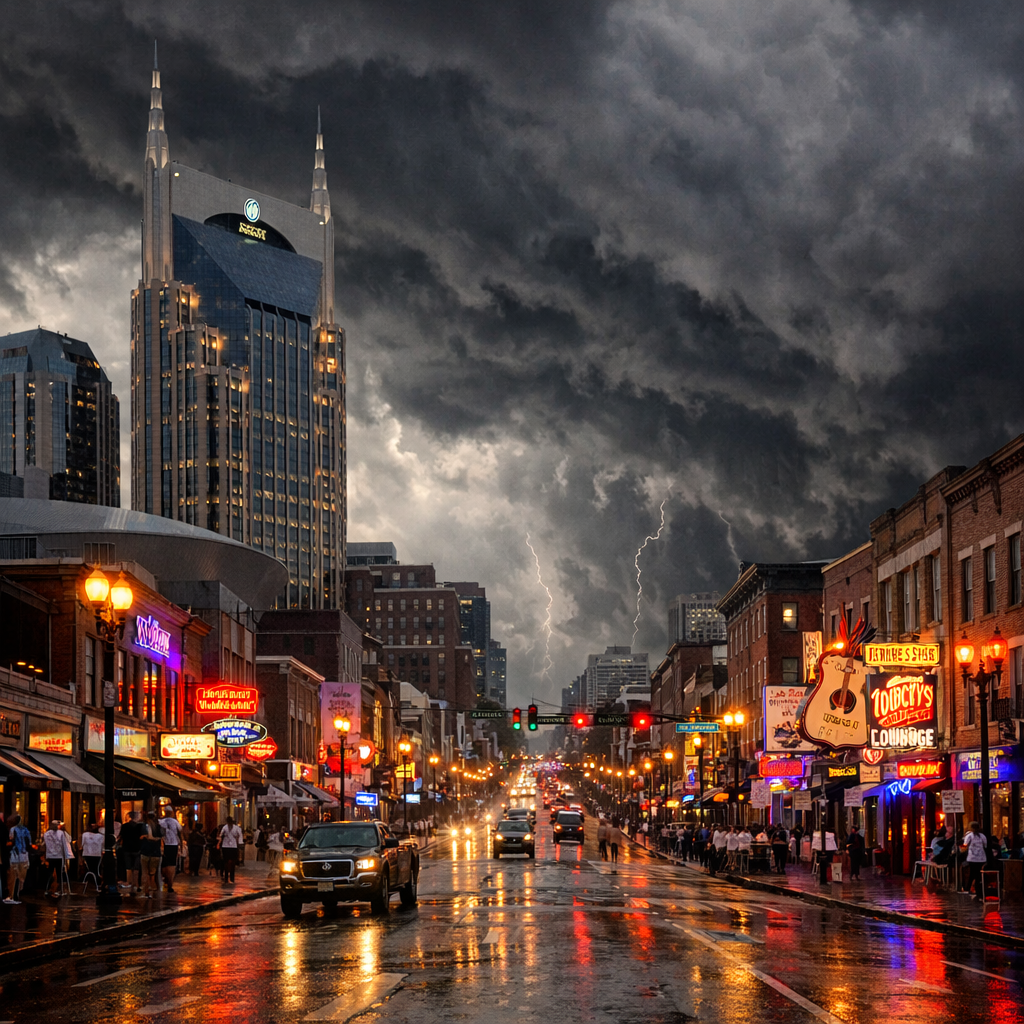
Rain and thunderstorms remain central to Nashville’s spring, and May still tends to be the wettest month. Severe weather risks in spring—strong storms, hail, sometimes tornadoes—are far from rare.
Flash flooding and sudden heavy rainfall are growing threats. Nashville’s resilience planning flags heat waves, severe storms, and inadequate drainage as critical vulnerabilities—and there’s awareness that infrastructure and urban planning will need to keep pace. The “urban heat island” effect also boosts summer temps significantly in dense city areas compared with suburbs or rural outskirts. On cool, clear nights especially, differences of up to 10°F have been measured.
What Does That Mean for Residents?
Longer warm seasons offer benefits: more time outdoors, broader gardening possibilities, even new landscaping choices. But there are downsides too. More hot days mean greater stress on health (especially for young children, older adults, and people without reliable air conditioning), increased cooling energy demand, and elevated risks of heat-related illnesses. Spring’s shift toward earlier warmth may also mean allergies kick in sooner.
Steps to Adapt and Prepare
- Planting: choose tree varieties and green spaces that tolerate heat and occasional drought. Shade trees help cool neighborhoods.
- Storm readiness: improve drainage, keep gutters clean, and watch weather alerts, especially in spring.
- Stay cool: in summer, use light clothing, hydrate, and schedule outdoor activity in mornings or evenings.
- Infrastructure inclusion: support city plans that prioritize resilient design, such as cooling centers, shaded corridors, and flood mitigation projects.
Keeping an Eye on the Future
Scientists project continued warming and more extreme weather events. Nashville’s latest Climate Adaptation and Resilience Plan, released in 2024, lays out strategies to reduce risks and build capacity across public health, urban planning, and natural environment sectors. Expect the conversation around climate to continue growing—for all of us who call Nashville home.