

By Emma Johnson
In communities from Nashville to Nairobi, we hear constant calls for cleaner energy and climate action. But behind those calls lies a more complex picture: even as renewable projects soar, global momentum toward a full energy transition is being tested.
Big Gains, Bigger Gaps
Recent reports show clean energy investment globally hit nearly $3.3 trillion, with 42% of generated electricity coming from renewables and nuclear. Still, only about one in four countries improved on key measures like security, affordability, and sustainable energy usage all at once. In many places, infrastructure, regulation, finance, and innovation lag behind deployment levels.
Geopolitics: The New Wildcard
Energy security isn’t just about fuel scarcity anymore—it includes supply chains, resilient grids, and stable trade ties. Disruptions in major oil shipping lanes, plus export controls on critical minerals, are showing just how volatile this transition phase truly is. One recent trend: global trade restrictions jumped sharply, restricting hundreds of billions in global commerce.
Pumping the Brakes on Delivery
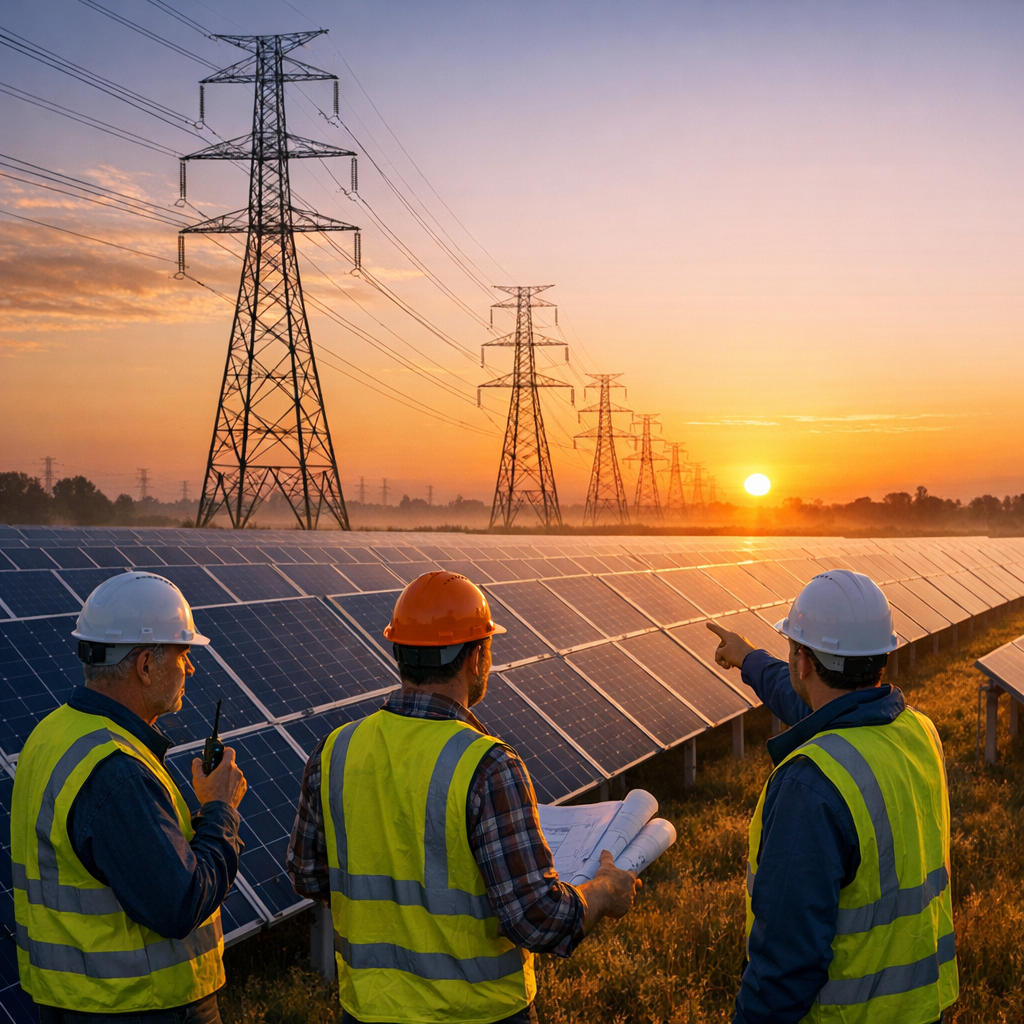
Scale is one thing, execution is another. Around 2,500 gigawatts of clean energy projects are currently stalled, mostly due to grid connections that are missing or delayed. Emerging economies—where most future energy growth will be—are facing higher borrowing costs and weaker regulatory support.
Where We Go from Here
To really accelerate change, experts point to three priorities:
- Bolster system readiness—build smarter grids, streamline permitting, and expand infrastructure.
- Sharpen policy and regulation—create reliable frameworks so that investment flows are confident and fair.
- Support equity—ensure communities and countries that bear the costs aren’t left behind, whether they supply materials or host projects.
Why Local Voices Should Care
What happens across oceans affects us here, too. Rising energy prices, supply disruptions, or trade tensions can shift what powers our homes, the cost of materials, and our global commitments. Thoughtful policies locally—whether in Tennessee or beyond—echo in the global system.
It’s clear the energy landscape is entering a pivotal period: one where ambition must meet durability, where delivery catches up with investment, and where security and sustainability find balance. How we handle those tensions over the coming years will determine not just the world’s climate path—but its reliability and fairness, too.