

By Emma Johnson
Hunger Hotspots Intensify
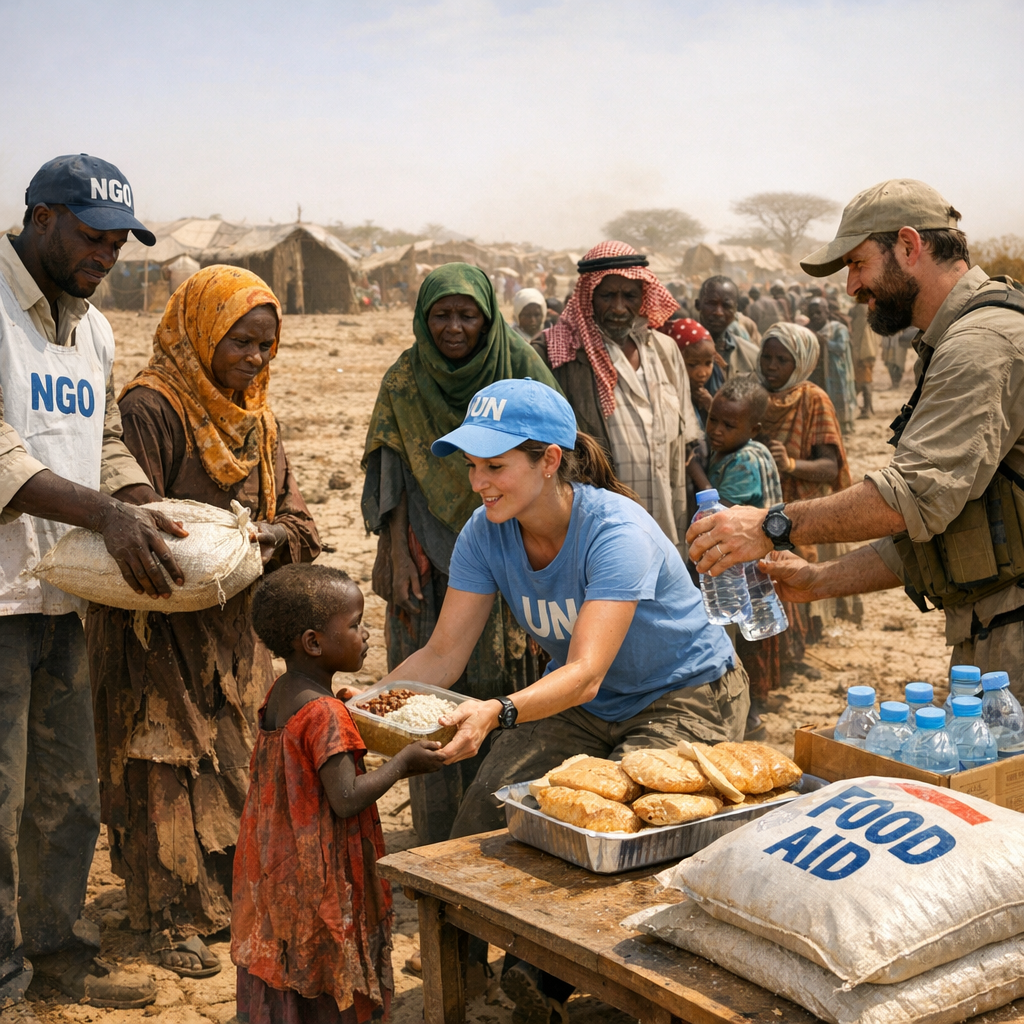
The United Nations’ joint report with the World Food Program warns that famine risks could deepen across 13 high-pressure regions over coming months. Conflict, shrinking funding and climate shocks threaten the lives of millions already facing acute food insecurity. Around 266 million people globally are estimated to be living with severely limited access to food. Immediate, coordinated global action is urged to prevent widespread hunger and humanitarian collapse.
Climate Action: Commitments vs. Reality
While new programs under the Global Climate Action Agenda aim to convert promises into practice—emphasizing clean energy, just transitions, and resilience—the international system remains embroiled in sharp debates. Key topics like adaptation funding, emissions targets, and monitoring have seen progress stalled in recent UN conferences. Experts caution that without stronger agreements in these areas, the Paris goals may slip further out of reach.
Conflict’s Deadly Toll and the Aid Challenge
The war in Ukraine persists with both sides engaging in heavy drone attacks and civilian infrastructure targets. Aid workers and humanitarian operations are increasingly under threat. Meanwhile, in Gaza, damaged housing and neglected reconstruction have led to fatal building collapses, underscoring the precarious conditions in post-conflict zones. Across many such regions, displacement, lack of security, and breakdowns in essential services continue to multiply suffering.
A Turning Point for Global Solidarity?
These overlapping crises—hunger worsened by climate change, conflicted zones with faltering reconstruction, and fragile promises of climate policy—underscore a critical moment in international cooperation. Leaders who gather at upcoming global forums are being asked: will they simply commit, or will they deliver? Communities from Nashville to New York are connected to these struggles—not only through humanitarian impulses, but through shared stakes in climate, migration, and global stability.