

By William Lopez
Nashville often calls itself “Music City,” known for melody, creativity, and an outsized hospitality. From honky-tonks in Midtown to community gardens in Bordeaux, there’s something of a chorus here that invites you in. But amid the tunes and neon lights, voices in our neighborhoods reveal a more complicated harmony when it comes to belonging, opportunity, and who gets to feel truly part of this place.
What belonging feels like—and what erodes it
I remember walking through Hillsboro Village last autumn. The leaves were turning, and a neighbor waved. It felt like being seen. My granddaughter, recently moved here, described walking in her East Nashville neighborhood one evening—she called it serene, yet haunted by the sense she didn’t entirely belong. That sense, I think, comes when benefits—parks, transit, well-funded schools—feel unevenly shared.
Recent community research backs this up. People with lower incomes, seniors, Black residents, LGBTQ+ individuals, and those in underinvested neighborhoods often express that while they live in Nashville, they don’t feel the city lives for them. The amenities and culture that draw people from around the world don’t always reach every ZIP code. When wages are tight, and transit or affordable housing out of reach, that belonging is hollow.
Voices of challenge and creativity
I spoke with Jasmine, a teacher in South Nashville. She sees students whose hopes for college are real, but the resources are not—books, counseling, safe spaces. “I tell them they belong here,” she said, “but our buildings paint a different story.” And then there’s Aaron, who moved to Antioch after college. He loves the community feel—neighbors waving, the block barbecue—but struggles with transit to work and access to quality groceries. “I’m proud to be from here, but I wonder if the city’s roadmap includes us,” he said.
Despite these gaps, the creative ingenuity across Nashville offers hope. Grassroots gardens, free concerts, and block-based mentorship groups expand belonging in ways institutions often miss. Faith communities and public spaces—libraries, community centers—become places where people reclaim the sense of home. They remind me of why Nashville matters beyond the skyline.
What can shift the balance
No city grows by keeping people at its edges. Investing in affordable housing across neighborhoods—not just in low-land value areas—is one way. So is expanding reliable transit so that no matter where someone lives, they can reach jobs, healthcare, and connection. Schools, too, matter: after-school programs, mental health support, partnerships with local nonprofits can help.
But perhaps most important is listening. When we center stories from people like Jasmine and Aaron, when city leaders build from what residents are experiencing—not just what data predicts—we draw a map of belonging. Then Nashville isn’t just known for its music—the city itself becomes part of everyone’s story.
In celebration and in challenge
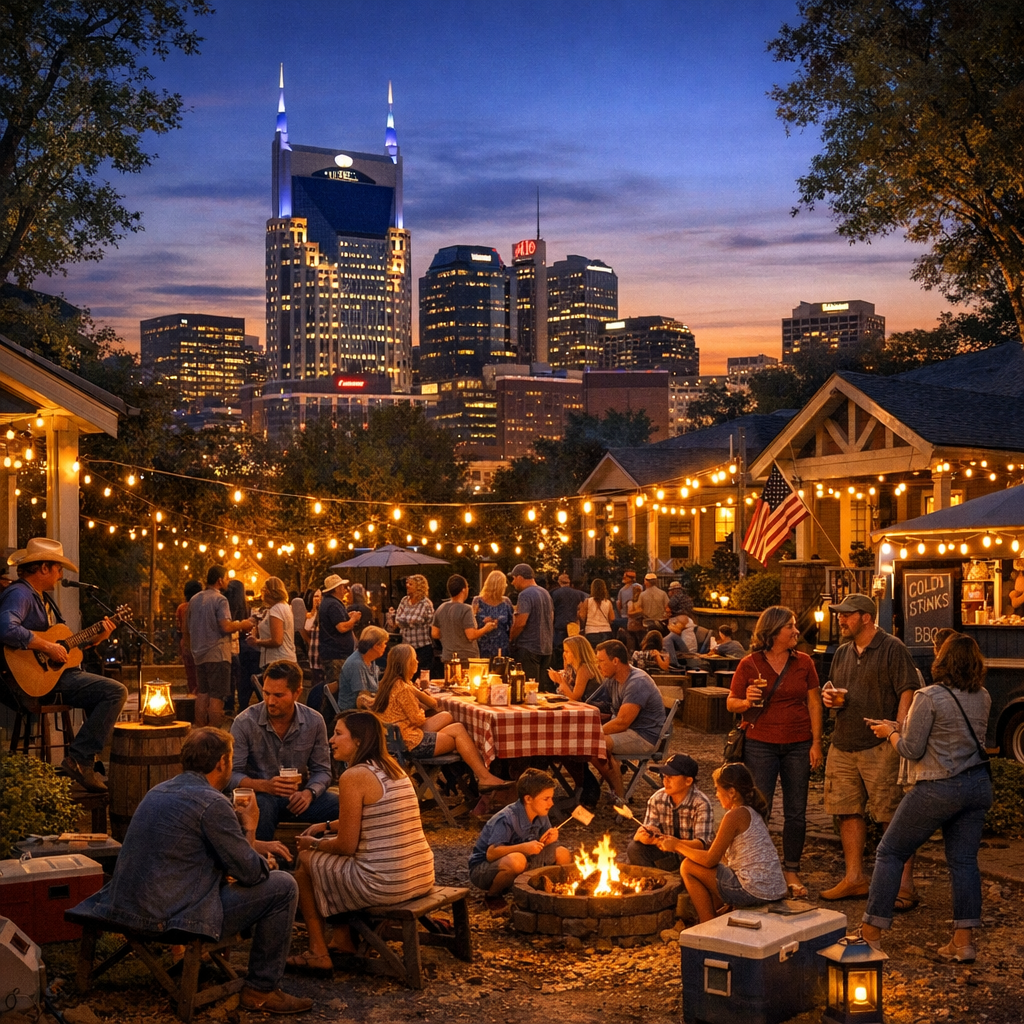
I won’t pretend all problems are solvable overnight. Growth, investment, heritage, and change often pull at one another. Yet in every alleyway rehearsal, every new food truck, every shared meal under strings of light—that is the pulse of a community that cares. Belonging starts in those small spaces where people are seen and heard.
For Nashville to truly be for all of us, we don’t need the next big festival or stadium. We need to make sure that every neighbor—whether in Bellevue or Madison, Hermitage or downtown—knows: you are welcome. You deserve opportunities. You belong.