

By Noah Davis
Nashville is still growing—its economy adding jobs in areas like leisure and hospitality, professional services, and education and health. But for the people operating businesses in downtown, East Nashville, Anthemyintown, and beyond, the upside of that growth brings fresh challenges: sharply rising property taxes, squeezed margins, and competitive pressures from big players. Here’s a guide to what business owners are dealing with now and what tools may help them adapt.
Slow but Selective Job Growth
In the latest nonfarm employment data, Nashville’s economy is showing modest overall growth—about 1.0% year-over-year—as of December 2025. Particular strong sectors include professional and business services (up about 1.6%) and education and health services. Leisure and hospitality also added jobs, though at smaller absolute numbers than years past.
On the flip side, financial activities and industries tied closely to cost-sensitive real estate—like construction—are showing declines. Many local businesses say that rising property taxes hit them especially hard, in part because reappraised values based on rising land prices outpace their ability to raise revenues.
Tax Burden and Property Reappraisal Concerns
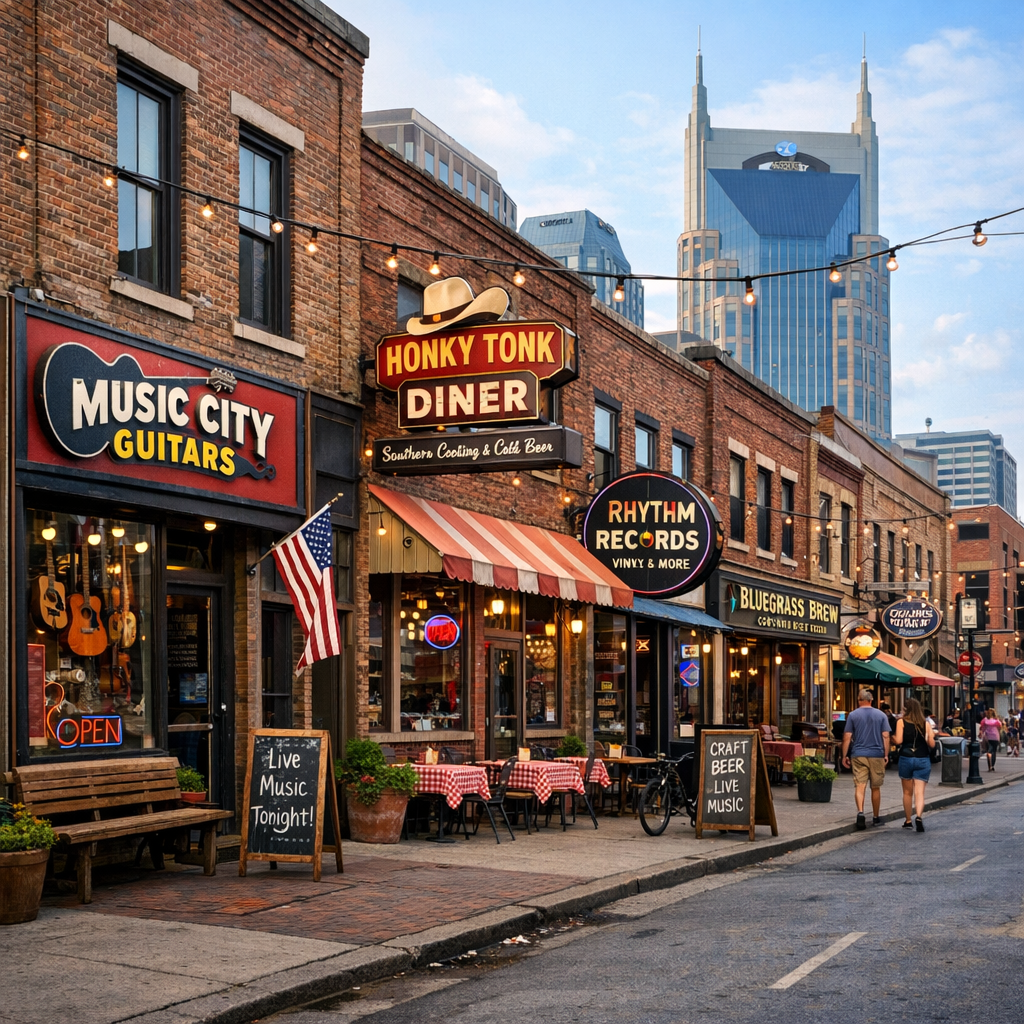
The 2025 property reappraisal in Davidson County triggered significant tax increases for many business owners—sometimes transforming a manageable tax bill into a burdensome liability. These spikes are not just abstract numbers: restaurants, honky-tonks, retailers, and venue operators report sharply rising costs that risk their viability.
In response, Metro government has proposed aid programs—grant funding, legacy business funds, and downtown tax relief—in hopes of helping long-standing neighborhood businesses cope. Meanwhile, business coalitions are pushing for legislation at the state level, including tax freezes or valuation adjustments for hospitality businesses downtown.
What Small Businesses Can Do
- Explore local incentive programs: The Metro government has multiple grant programs and tax incentives aimed at fast-growing small firms, legacy businesses, and those in distressed areas. Knowing what’s available can make a difference in offsetting costs.
- Challenge or appeal valuations: The reappraisal process is set by law, but property owners have routes for appealing assessments or clarifying how appraisals were calculated. Coalition efforts show there’s power in organized action.
- Manage lease negotiations carefully: Many businesses on Broadway and downtown operate under triple-net leases that pass taxes and insurance on to tenants. Engaging landlords around cost sharing or seeking other arrangements may help. (Even if not officially documented, this is a concern often raised by local owners.)
- Strengthen visibility and customer base: Leveraging the growing local population, neighborhood activism, and digital platforms can help boost sales. Marketing efforts that emphasize local roots often resonate in Nashville’s competitive environment.
Policy Moves to Keep an Eye On
The Metro government’s Prosper Nashville plan is working toward equitable economic development by improving access to capital, workforce alignment, and support for underserved neighborhoods. It aims to make sure that growth doesn’t leave behind smaller business owners who lack the same flexibility as larger chains.
At the state level, proposals are under discussion to give hospitality and entertainment businesses long-term relief from taxes tied to soaring property valuations—possibly through freezes or special assessments. The outcome of those efforts could reshape how downtown and tourist-dependent areas remain viable for independents.
A Balanced View
Nashville entrepreneurs are living at the intersection of opportunity and risk. On one hand, the city remains attractive — population growth, arts and culture buzz, and sector diversification all point to long-term upside. On the other hand, rising fixed costs, especially property taxes, and uneven growth mean business leaders must be deliberate. Those who monitor costs, make use of support programs, and plan for long horizons stand the best chance of thriving.
What’s clear is that Nashville’s economy has room to grow, but its small business backbone needs attention—not just with rhetoric but with policies that protect what makes this city’s local economy distinct.