

By Ethan Martinez
From Washington D.C. to Nashville, recent economic indicators paint a picture of moderate growth combined with widespread concern. While the U.S. economy continues to expand, many Americans feel squeezed by rising costs and uncertain policies.
Slowing Growth: More Steps, Not Leaps
In the second quarter of the year, the U.S. gross domestic product increased at a 1.5% annual rate—down from a 2.1% rise in the first quarter. The change reflects gains in consumer spending and exports, but also a drag from rising imports and falling government expenditures. Disappointing wage growth, especially when adjusted for inflation, is placing a strain on many households.
Inflation and Affordability Still Bite
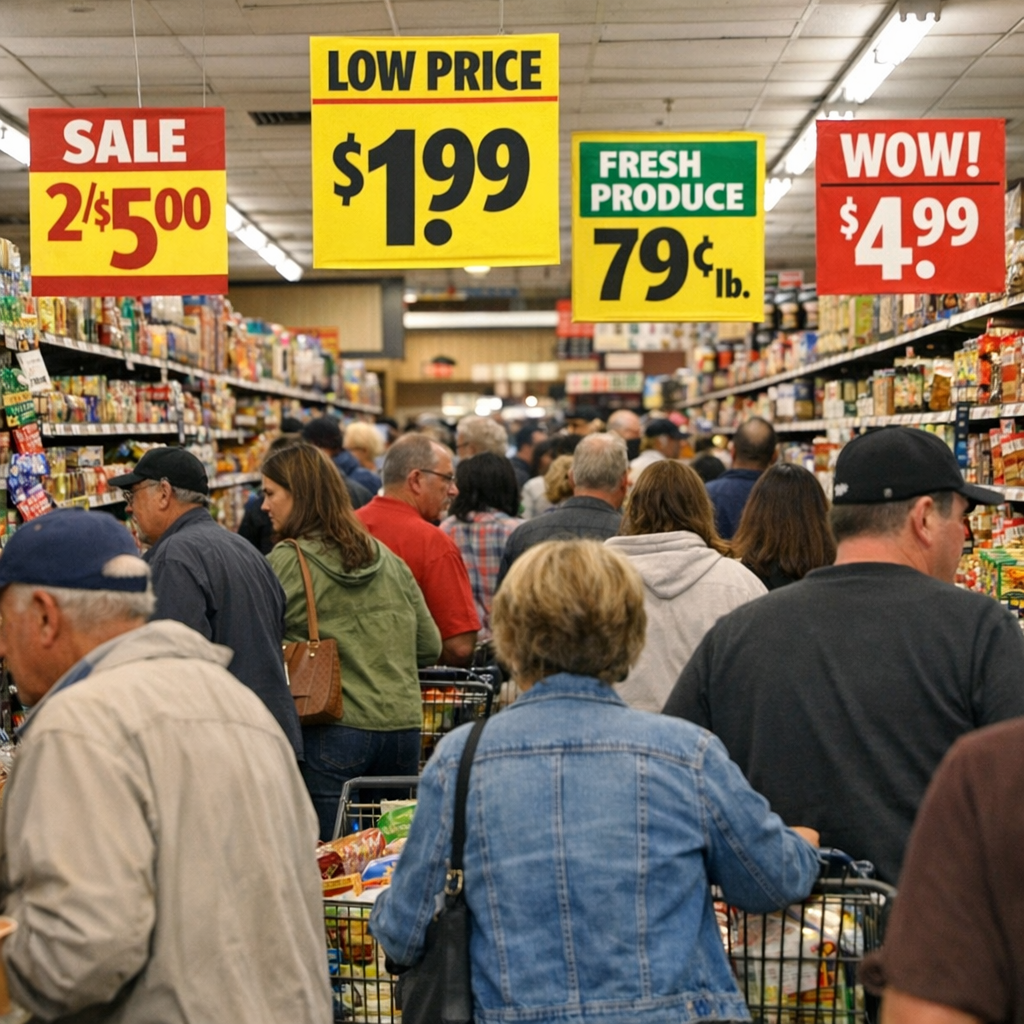
Inflation remains persistent. Although energy costs have stabilized in some sectors, essentials like housing, food, and healthcare continue to outpace wage increases for many. More respondents in recent surveys say they’re very concerned about gas and electricity prices—public anxiety that shows up no matter the political party.
Labor Market Shows Weak but Stable Gains
The job market isn’t flashing red, but it’s not booming either. Employers are adding jobs, yet fewer new hires and more people hunting for consistent work hint at undercurrents of frustration. Unemployment holds near historical lows but long-term unemployment remains a concern.
Public Perception Lags Reality
According to national surveys, only about one in four Americans believe the current economic conditions are “excellent” or “good,” while over one-third call them “poor.” There’s a growing sentiment—especially among Republicans—that recent economic policies have made things worse. Many expect little improvement over the coming year.
What It Means Going Forward
- Policymakers need to balance inflation control with measures that ease cost burdens for households.
- Efforts to boost wage growth and reduce essential expenditures could help shift public mood.
- Transparency and communication matter: people want to know how economic strategy will affect their everyday lives.
In short, while some data points toward economic resilience, the lived experience for many Americans tells a different story—a story where the promise of prosperity feels just out of reach.