

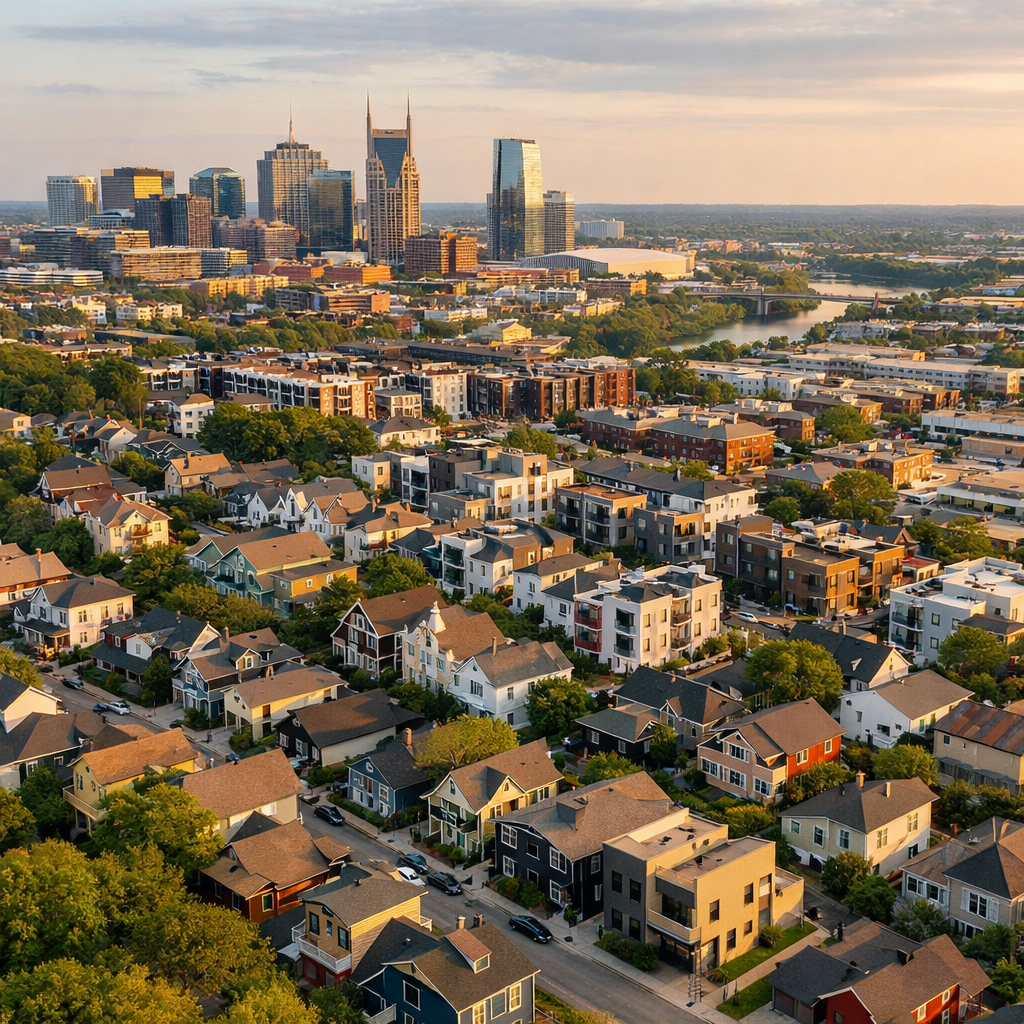
Nashville is grappling with a significant housing affordability crisis. A recent Vanderbilt University poll revealed that 82% of residents feel they cannot afford to purchase a home in Davidson County. This alarming statistic underscores the growing concern among Nashvillians about the escalating cost of living in the city.
In response, local leaders are taking proactive measures. Mayor Freddie O’Connell has introduced the Unified Housing Strategy, aiming to increase the supply of affordable housing. In the fiscal year 2025, city funding supported the construction and preservation of nearly 1,800 affordable housing units. Despite these efforts, the demand continues to outpace supply, leaving many residents in precarious housing situations.
The affordability crisis disproportionately affects minority communities. A housing and infrastructure study highlighted that Black and Hispanic families can afford median-valued homes in less than 1% of Nashville’s 481 neighborhoods. This stark disparity points to systemic issues that require targeted interventions.
Community organizations are also stepping up. Initiatives like FeedBack Nashville aim to address food insecurity, which often intersects with housing instability. By providing reliable access to food, these programs alleviate some of the financial burdens faced by low-income families, allowing them to allocate resources toward housing.
While these efforts are commendable, the path to resolving Nashville’s housing affordability crisis is complex and multifaceted. It requires continued collaboration between government agencies, community organizations, and residents to develop sustainable solutions that ensure all Nashvillians have access to safe and affordable housing.