

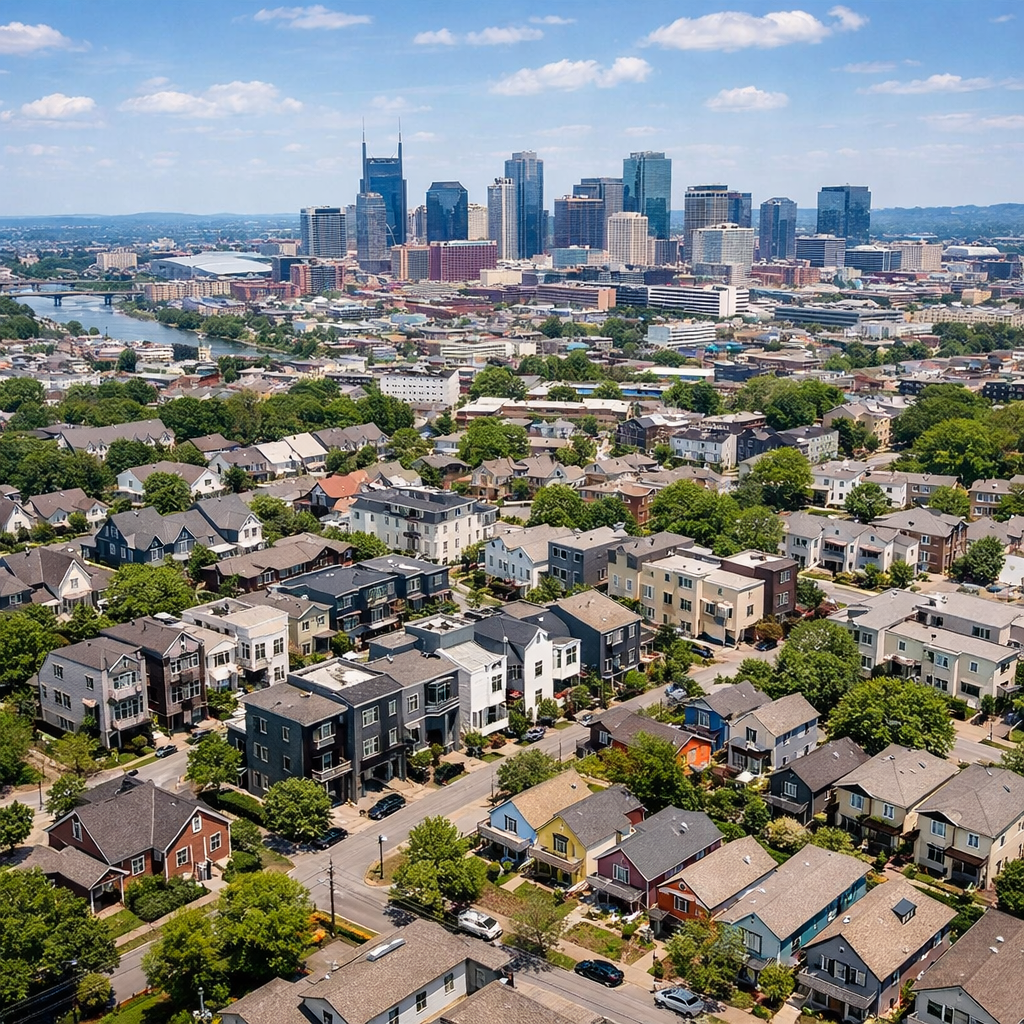
Nashville is grappling with a significant housing affordability crisis. A recent Vanderbilt University poll revealed that 82% of residents feel they cannot afford to purchase a home in Davidson County. This alarming statistic underscores the growing economic challenges faced by many Nashvillians.
The city’s rapid population growth and rising housing costs have exacerbated the situation. Over the past five years, home prices in Nashville have surged by over 53%, making homeownership increasingly unattainable for the average resident. To afford a median-priced home, an annual income of approximately $120,000 is required, yet the median household income stands at only $91,000, creating a substantial gap.
In response, local leaders have initiated several measures. Mayor Freddie O’Connell’s administration has prioritized affordable housing, with city funding supporting the construction and preservation of nearly 1,800 affordable housing units in the fiscal year 2025. Additionally, the Unified Housing Strategy aims to increase the supply of affordable housing to meet the growing demand.
Community organizations are also stepping up. The Elmahaba Center, for instance, is working to build inclusive communities, particularly among Arabic-speaking residents in South Nashville, addressing challenges like economic immobility and housing insecurity.
Despite these efforts, challenges remain. Public support for multifamily housing, which could improve availability, has waned, making the topic increasingly politically contentious. Moreover, a study highlighted that Black and Hispanic families can afford median-valued homes in less than 1% of Nashville’s neighborhoods, pointing to deep-seated disparities that need to be addressed.
As Nashville continues to grow, it is imperative for both policymakers and community members to collaborate on sustainable solutions that ensure all residents have access to affordable housing, preserving the city’s diverse and vibrant character.