

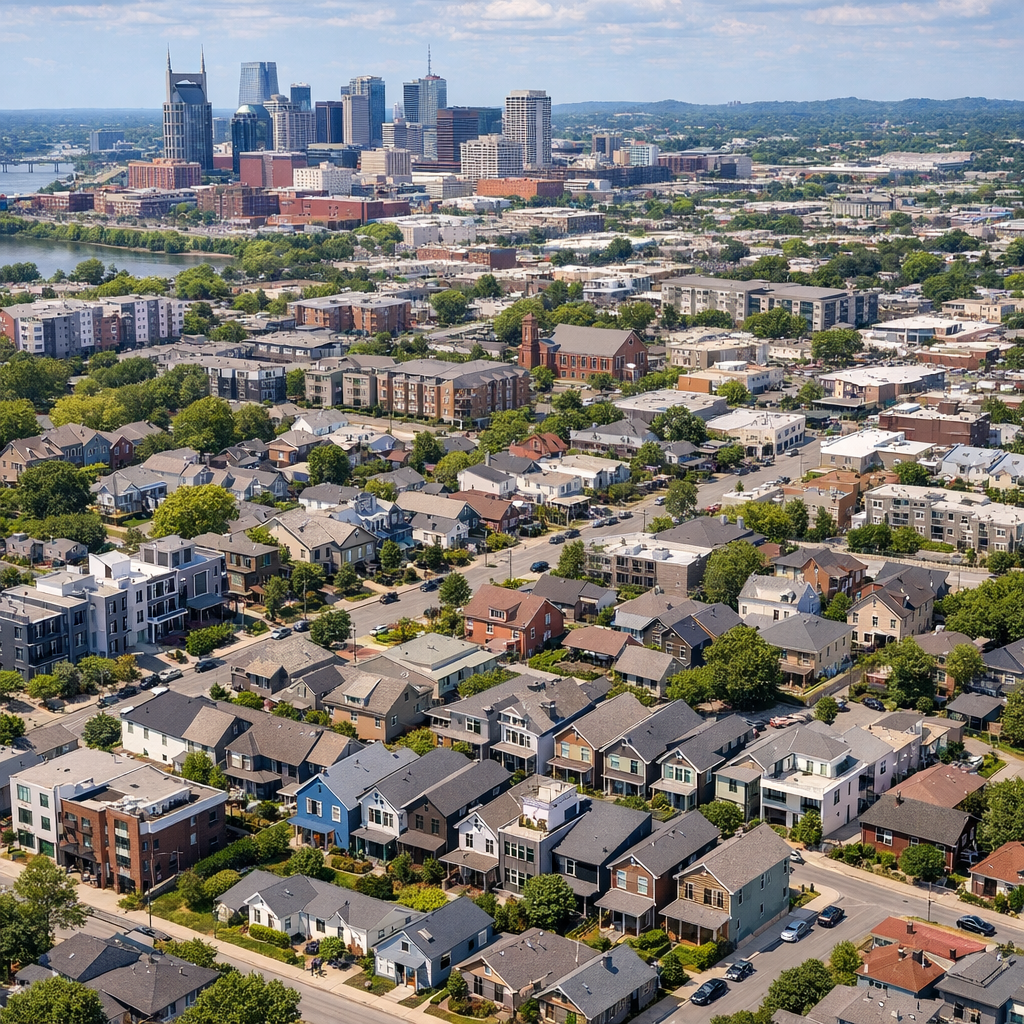
Nashville is grappling with a significant housing affordability crisis. A recent Vanderbilt University poll indicates that 82% of residents feel they cannot afford to purchase a home in Davidson County. This concern is echoed by 73% of Nashvillians who prioritize affordable housing as a top issue.
The city’s rapid growth has led to increased housing demand, resulting in rising property values and rental costs. This trend disproportionately affects Black and Hispanic families, who can afford median-valued homes in less than 1% of Nashville’s neighborhoods. Historical factors, such as redlining and discriminatory land-use policies, have contributed to these disparities.
In response, local leaders have initiated several measures. The Unified Housing Strategy aims to increase the supply of affordable housing. In fiscal year 2025, city funding supported the construction and preservation of nearly 1,800 affordable units. Additionally, Metro Social Services released an interactive mapping tool to identify areas experiencing gentrification and economic shifts, aiding in targeted interventions.
Despite these efforts, challenges remain. Public support for multifamily housing, which could alleviate some affordability issues, has declined. Many residents prefer such developments to be limited to dense areas to preserve neighborhood character.
Addressing Nashville’s housing affordability crisis requires a multifaceted approach, including policy reforms, community engagement, and sustained investment in affordable housing initiatives.