

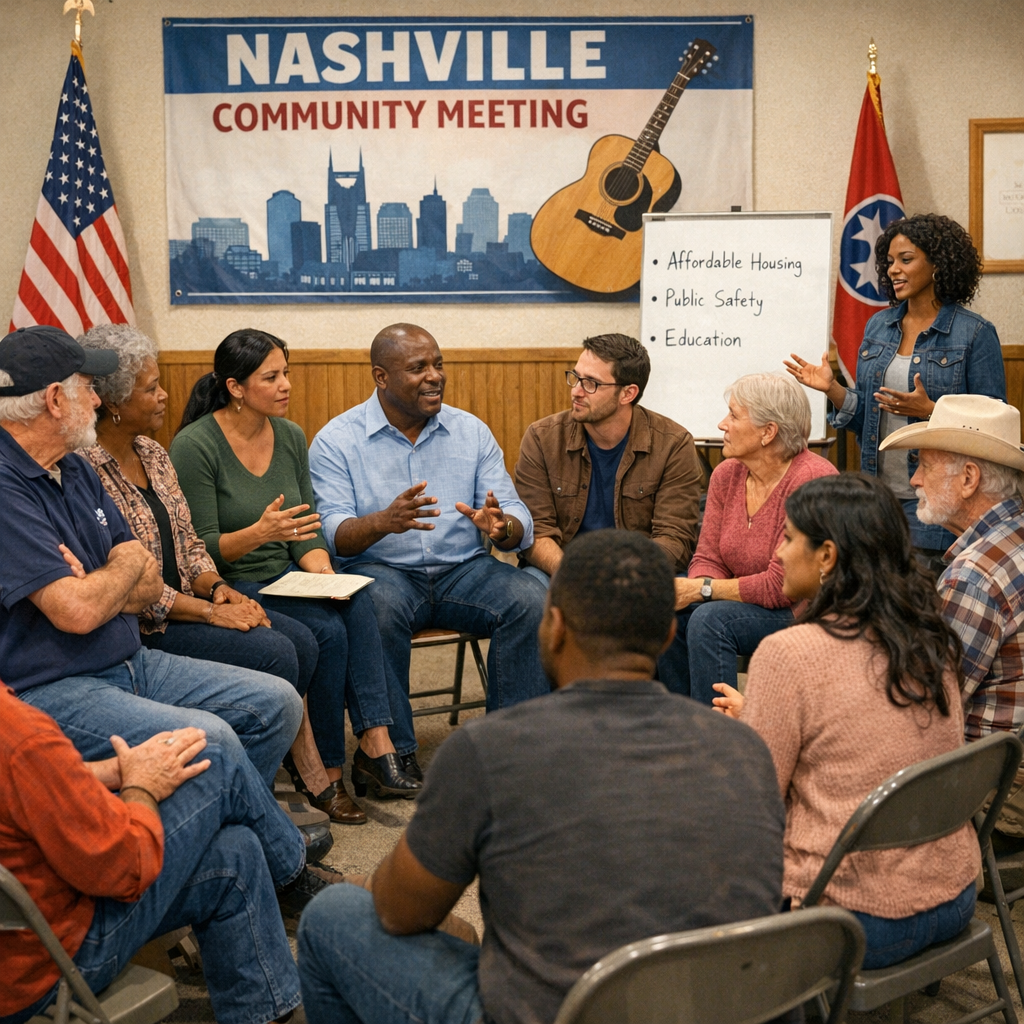
Nashville’s rapid growth has brought prosperity to many, but it has also intensified affordability challenges, especially for African American residents. Recent reports highlight the disparities in housing, employment, and overall economic opportunities within the city.
Housing Affordability Concerns
A Vanderbilt University poll revealed that 82% of Nashville residents feel they cannot afford to buy a home in Davidson County. This sentiment is even more pronounced among Black and Hispanic families, who can afford median-valued homes in less than 1% of Nashville’s neighborhoods. The city’s housing crisis is exacerbated by a history of discriminatory practices and the rising cost of living.
Economic Disparities
The Metro Social Services’ 17th annual Community Needs Evaluation report underscores the economic challenges faced by African American residents. The report indicates that Black workers experience higher unemployment rates and lower wages compared to their white counterparts, even with similar educational backgrounds. Additionally, nearly half of all renters in Nashville are “cost-burdened,” spending more than 30% of their income on housing.
Community Initiatives and Responses
In response to these challenges, various community initiatives have emerged. For instance, the Imagine Nashville research project engaged over 10,000 residents to gather insights into the city’s challenges and potential solutions. The findings emphasize the need for inclusive growth strategies that address the concerns of marginalized communities.
Furthermore, local organizations and metro government have launched initiatives like FeedBack Nashville to tackle food insecurity, which affects over 80,000 residents. These efforts aim to provide immediate relief while working towards long-term solutions to systemic issues.
Moving Forward
Addressing Nashville’s affordability crisis requires a multifaceted approach. Policymakers, community leaders, and residents must collaborate to implement strategies that promote equitable economic opportunities, affordable housing, and inclusive growth. By acknowledging and actively working to reduce these disparities, Nashville can strive towards a more equitable future for all its residents.