

By Olivia Williams
Nashville is growing fast, and with that growth come persistent challenges: housing affordability, safe and accessible infrastructure, and community well-being. City government and community groups are actively responding—here’s a look at where things stand and what’s underway.
Where Housing, Infrastructure, and Development Intersect
Nashville’s Housing & Infrastructure Study is probing whether current zoning laws and infrastructure capacity are keeping up with demand, especially in the urban core and in areas seeing rapid change. The goal is to lower barriers to housing development, without sacrificing neighborhood character. Recommendations include revising zoning code text and creating new districts for smaller-scale housing types. (Planning Dept.)
Meanwhile, the Unified Housing Strategy includes a project called Connecting Housing to Infrastructure Program (CHIP), which aims to fund infrastructure—sidewalks, lighting, transit access—around affordable housing developments. The idea: enable safe, connected communities for all Nashvillians. (Metro Housing Division)
Safety, Access, and Movement: More Than Just Roads
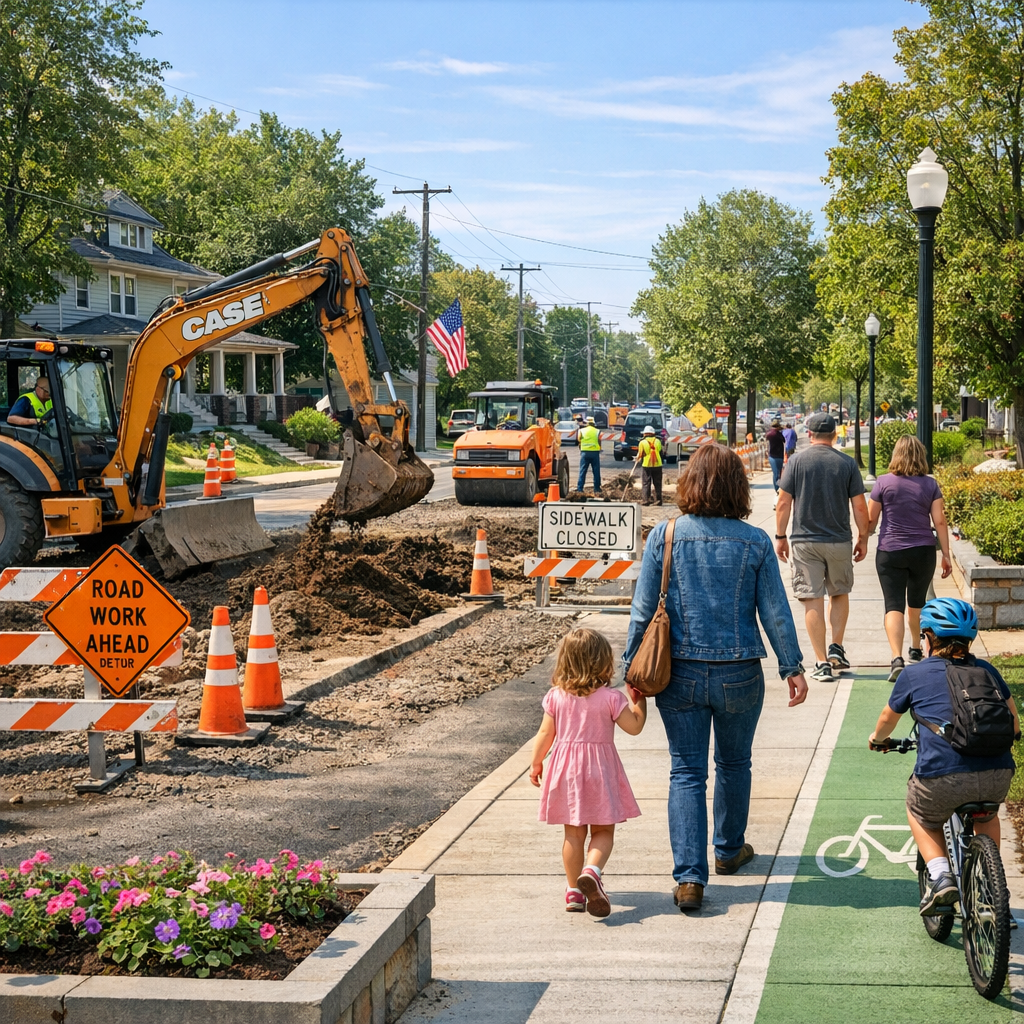
One of the most dangerous corridors in Nashville—Gallatin Pike / Main Street—is getting attention through the Vision Zero safety initiative. Plans include new crosswalks, better signage, re-striped roadways, safer intersections, school-zone upgrades, and pedestrian-focused design changes. These improvements are part of broader efforts to enhance safety for those who walk, bike, or rely on transit. (NDOT)
Health, Equity, and Community Well-Being
The 2026-2028 Community Health Improvement Plan identifies four priority areas: expanding affordable, adequate housing; making it easier for people to find and use community resources; ensuring access to healthy food; and strengthening job skills and opportunities. Public health agencies, local hospitals, and non-profits have teamed up to tackle these system-level challenges.
At the same time, Metro’s civic engagement efforts are growing. Through hubs like EngageNashville and MyCity Academy, residents can share feedback on planning, transportation, and environment initiatives. These channels aim to lift up voices across all neighborhoods—not just those closest to the center of town.
What’s Next for Nashville’s Neighborhoods
- Watching how zoning updates and code changes are finalized, especially for smaller-scale housing.
- Monitoring implementation of safety projects like Gallatin Pike, and how pedestrian infrastructure keeps pace.
- Evaluating outcomes from the Health Improvement Plan: are interventions making a difference on the ground?
- Encouraging broader participation so all Nashvillians feel connected and heard in decisions that affect them.
Growth brings needed opportunities, but only if we build with intention, equity, and connection. Nashville’s path forward depends on community voices shaping the city—and the city delivering for every community.