

By Mason Martinez
Understanding our evolving climate
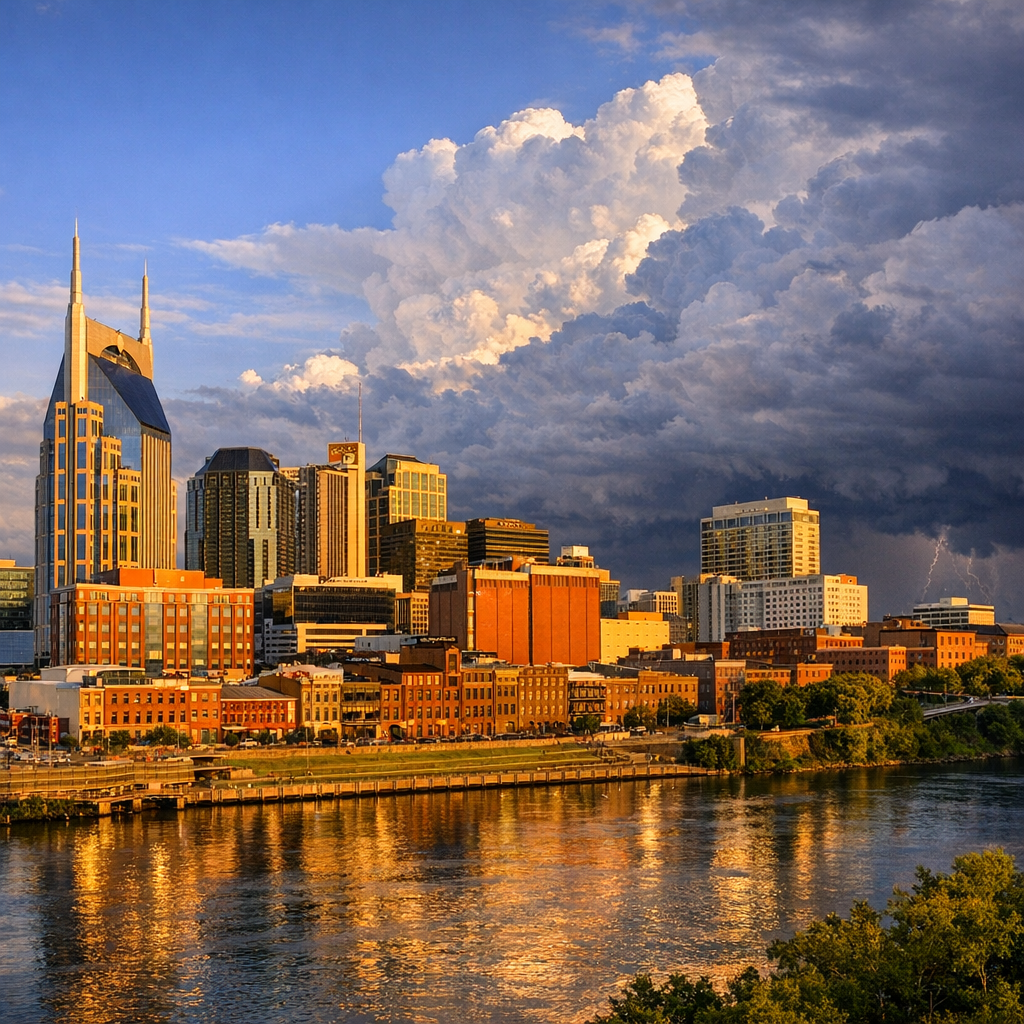
Nashville has a humid subtropical climate, characterized by hot, humid summers and cool winters. Annual rainfall averages around 49 inches, with March typically being our wettest month and October our driest. Temperatures range widely between summer highs in the upper 80s to winter lows just above freezing. However, over the long term, clear trends are emerging in what many might call “normal.”
Key environmental shifts to watch
Rising average temperatures and fewer cold nights
Recent data show that nights that once routinely dropped below freezing are occurring far less often. Meanwhile, average daytime and nighttime temperatures are both climbing. These shifts may seem subtle year to year, but over decades, they bring lasting changes to how we live, garden, work, and plan.
Heavier rainfall and extreme events
Climate-affected changes in precipitation are already noticeable. Rain tends to fall in intense bursts, with storms dumping more in short windows. That places added strain on drainage systems and increases flood risk across our city—particularly in low-lying neighborhoods.
Air quality and health impacts
Nashville faces ongoing challenges with ground-level ozone (smog) and fine particulate pollution (PM2.5). While particle pollution has shown improvements for daily exposure, ozone remains an issue, especially during hotter months. Sensitive groups—children, seniors, those with respiratory conditions—feel it first. Daily forecasts from local authorities can help people plan outdoor activities safely.
What we’re doing—and what more can be done
The city is developing and implementing its Climate Adaptation and Resilience Plan, focusing on hazards like extreme heat, flooding, winter storms, and more. Efforts include encouraging green infrastructure, improving emergency preparedness, and paying attention to areas most vulnerable due to historic disinvestment.
Individuals can play a role, too: planting native vegetation, creating shade around homes, staying attuned to air quality forecasts, and advocating for sustainable transportation are small steps with larger impact.
Why it matters for you
These shifts aren’t abstract—Nashvillians should expect hotter summer afternoons, more variable rainfall patterns, and milder winters with fewer truly cold nights. For everyone, this means revisiting old assumptions: when to plant gardens, how long to run the air conditioner, and what weather to plan for outdoors.
We’re living through change that shapes our daily lives and defines our future. Paying attention, staying informed, and working together can help ensure Nashville adapts without losing what makes it home.