

By Emma Johnson
Unresolved Wars and Wars’ Wider Reach
The war between Ukraine and Russia continues to rage, now more than four years since the start of the 2022 invasion. Russian forces still control about 20% of Ukraine’s territory. Ukraine, supported by Western partners, has struck back with long-range drone and missile attacks targeting Russian infrastructure. Civilians and cities remain highly vulnerable to bombings, energy disruptions, and destruction of essential services. Ceasefire negotiations remain stalled. Wars in other regions—like the uninterrupted fighting in Gaza, Iran’s cross-border confrontations, and instability in Lebanon—add to the global strain. Local communities everywhere feel ripple effects from displacement, rising aid needs, and fractured supply chains.
US-Iran Tensions and the Strait of Hormuz
Relations between the United States and Iran remain volatile. Actions by both sides in the Gulf, and Iran’s assertion of control over the Strait of Hormuz, threaten a vital corridor for global oil and trade shipments. Military strikes, diplomatic protests, and the threat of wider regional escalation keep energy markets on edge.
Climate Change and Forced Migration
Climate change is propelling human displacement at an accelerating rate. From sudden disasters—like floods and wildfires—to slower shifts such as desertification and rising sea levels, people are forced to relocate within and across national borders. Reports show many migration policies still treat these crises as temporary, reactionary—that misses the chance to build long-term, resilient solutions grounded in local realities. Indigenous communities, urban poor populations, and marginalized groups bear much of the burden.
Great Power Competition & Economic Uncertainty
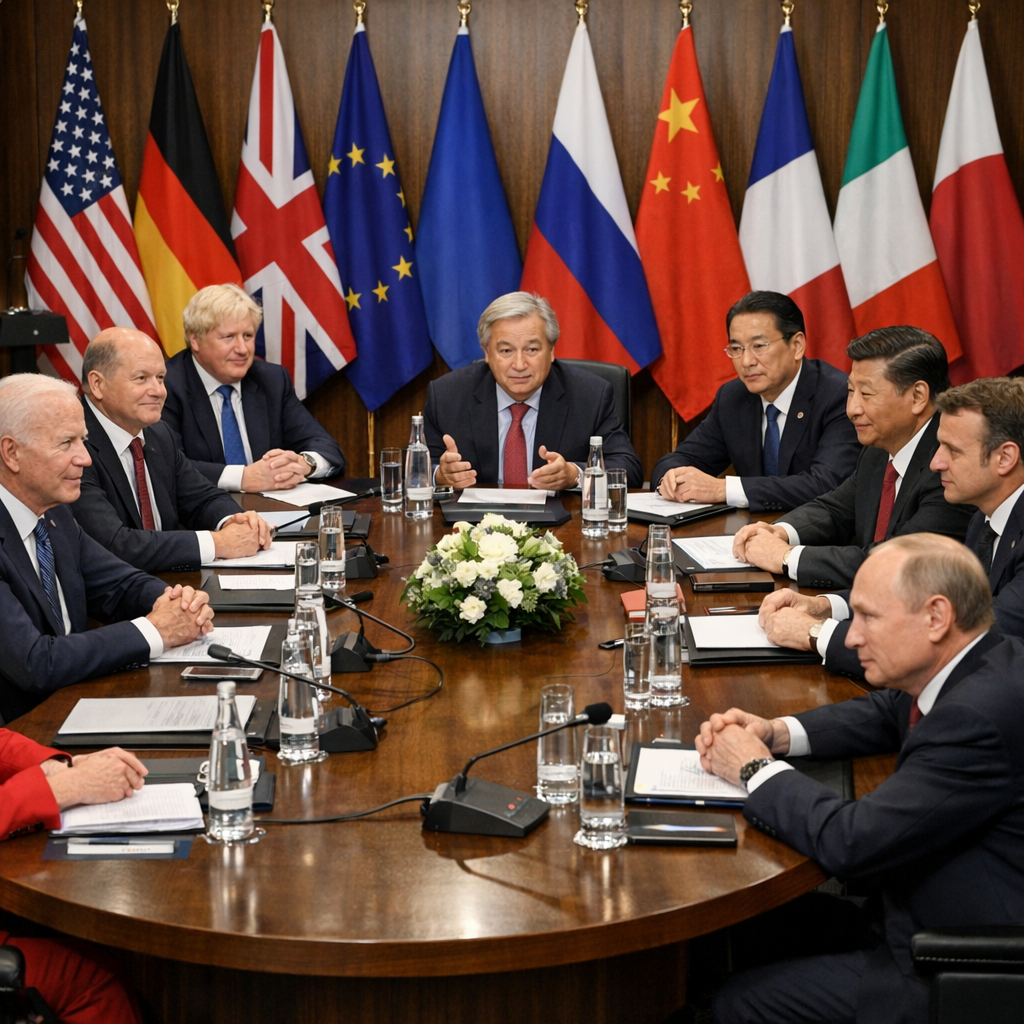
The global balance of power is being reshaped. The rivalry between the U.S. and China spans economics, tech, and international diplomacy, often manifesting through trade measures, alliances, and summits. In Europe, support for Ukraine has become a litmus test for collective resolve. Meanwhile, economic forecasts warn of stagnation: inflation, disrupted supply chains, and energy instability are interfering with global growth. Diplomacy and preventive action are more critical now than ever to reduce risk of conflict and systemic shocks.
Why It Matters Locally in Nashville
Even in Nashville, we see the impact. Higher fuel and shipping costs translate into pricier groceries and goods. Refugees arriving carry stories that expand our understanding of global suffering and resilience—and remind us of our responsibility. Local NGOs and policymakers working on international aid amplify their efforts in response. And global instability weighs on markets, investments, and civic life.
These crises are not distant. They intersect with our daily lives. Understanding them helps us respond more thoughtfully, hold leaders accountable, and extend compassion across borders.