

By Emma Johnson
The Growing Threat to Food Security
Despite some modest improvements, nearly one in four people globally—around 2.1 billion—still struggle with moderate or severe food insecurity. Hunger affects 7.8% of the world’s population. Progress toward making nutritious food accessible remains slow, especially in regions where conflict, inflation, and systemic strain have undercut earlier gains. UN agencies emphasize that without coordinated policy efforts, meeting the goal of ending hunger by 2030 looks increasingly out of reach.
Conflict, Trade Strains, and Fertilizer Shocks
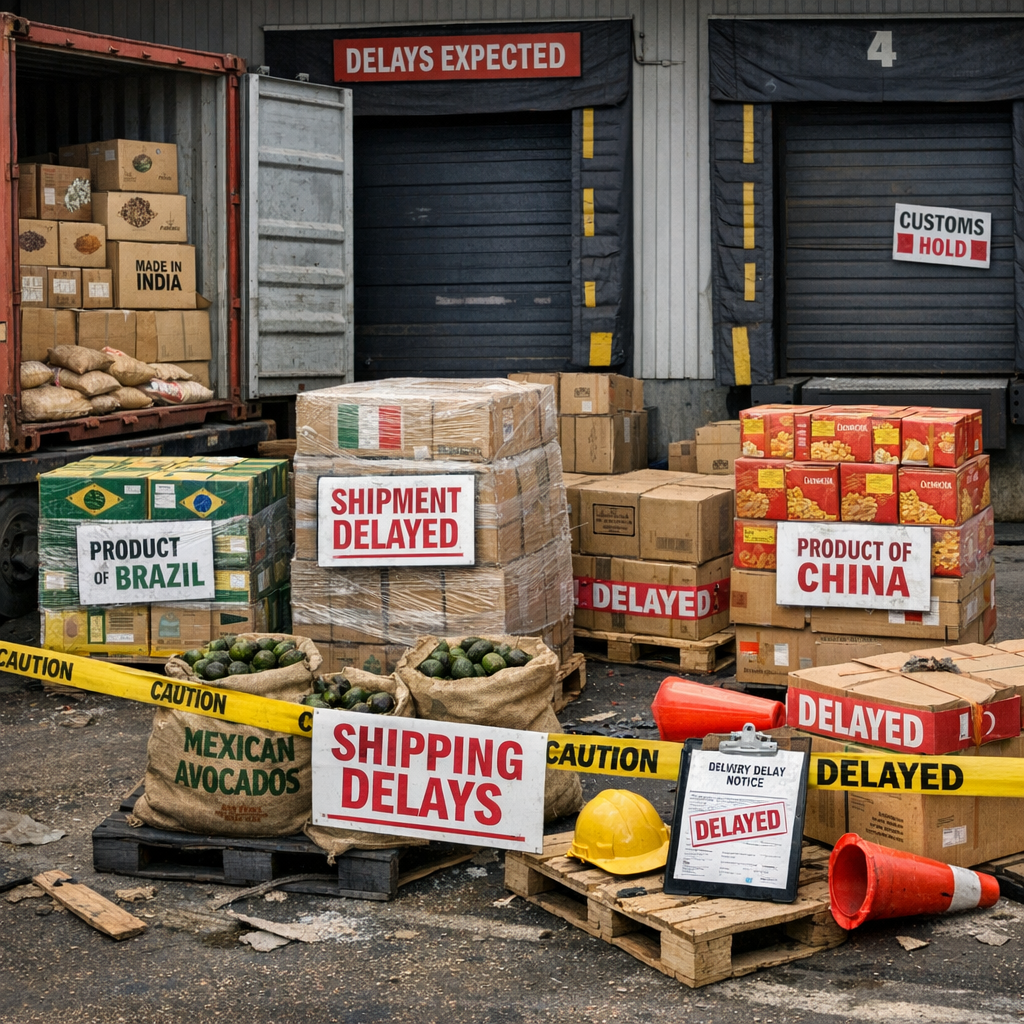
The global food system is being squeezed from multiple directions. Wars in multiple regions are disrupting trade routes for essential goods—fertilizers, grains, fuel—that agriculture depends on. A blockade of the Strait of Hormuz and conflict in areas that host critical infrastructure have pushed fertilizer costs up sharply and created uncertainty about future harvests.
El Niño-driven climate disruptions are also expected to take a heavier toll on agriculture in the coming seasons. These weather shifts threaten rainy season timing and yield stability in growth zones already pressed by political turmoil and resource shortages.
Human Displacement and Climate Linkages
Climate and conflict increasingly overlap. According to recent assessments, most refugees and internally displaced people live in places exposed to high climate-related hazards—heat, flooding, drought. Many who are forced to flee by war cannot return home because climate risks have destroyed homes, farms, or viability of land.
This linkage creates cycles of vulnerability: displaced communities depend on humanitarian aid that’s harder to deliver when infrastructure is compromised by disaster or disrupted by violence. And once displaced, people are more vulnerable to future climate extremes.
What It Means Locally and Globally
For communities anywhere—not just in far-away crisis zones—these global trends can translate into higher food prices, volatile supply in grocery stores, and weakened international stability. For example, agricultural imports from distant regions are vulnerable to disruption, raw material costs are influenced by energy prices, and refugee flows can alter migration dynamics.
Global institutions are calling for policies that address both immediate crises—such as conflict resolution, trade route protection, and food aid—and longer-term structural problems: diversifying supply chains, investing in resilient infrastructure, supporting smallholder farmers, expanding social safety nets, and coordinating climate adaptation measures. Without such steps, the risk is not just worse hunger in some places, but food insecurity that undermines peace, economic progress, and global health.
Looking Ahead
In short: the window to reverse worsening global food insecurity is narrowing. The clashes between climate stressors, armed conflict, rising input costs, and fragile trade chains are creating powerful negative feedback loops. Unless global cooperation steps up—with aid, policy, diplomacy, and investment—the goal of food security for all remains distant: both a moral imperative and an urgent necessity.