

Hi–Mason Martinez here, bringing you a look at how the seasons in Nashville are moving—and what that means for our environment, our health, and our city planning.
Warming Nights, Fewer Freezes
Over the past few decades, Nashville has seen a trend toward milder winters. Nights that once dropped below freezing are happening far less often. In fact, before the mid-1990s there were frequent years with at least one day that never rose above freezing; since then those frost-free days have grown rarer. That affects the landscape in more ways than you might think—shrubs, flowering plants, and even pests respond differently when frost becomes unpredictable.
Heavier Rain & Intensified Storms
Alongside changing temperatures, our rainfall is undergoing shifts. Rainstorms in Nashville are getting more intense; short bursts of heavy rain more often sweep across town, raising flash‐flood risk. Spring and early summer—traditionally wet seasons—are also seeing more frequent thunderstorms. These shifts strain stormwater systems, erode soil, and can lead to overflowing rivers.
Urban Heat Islands & Unequal Impacts
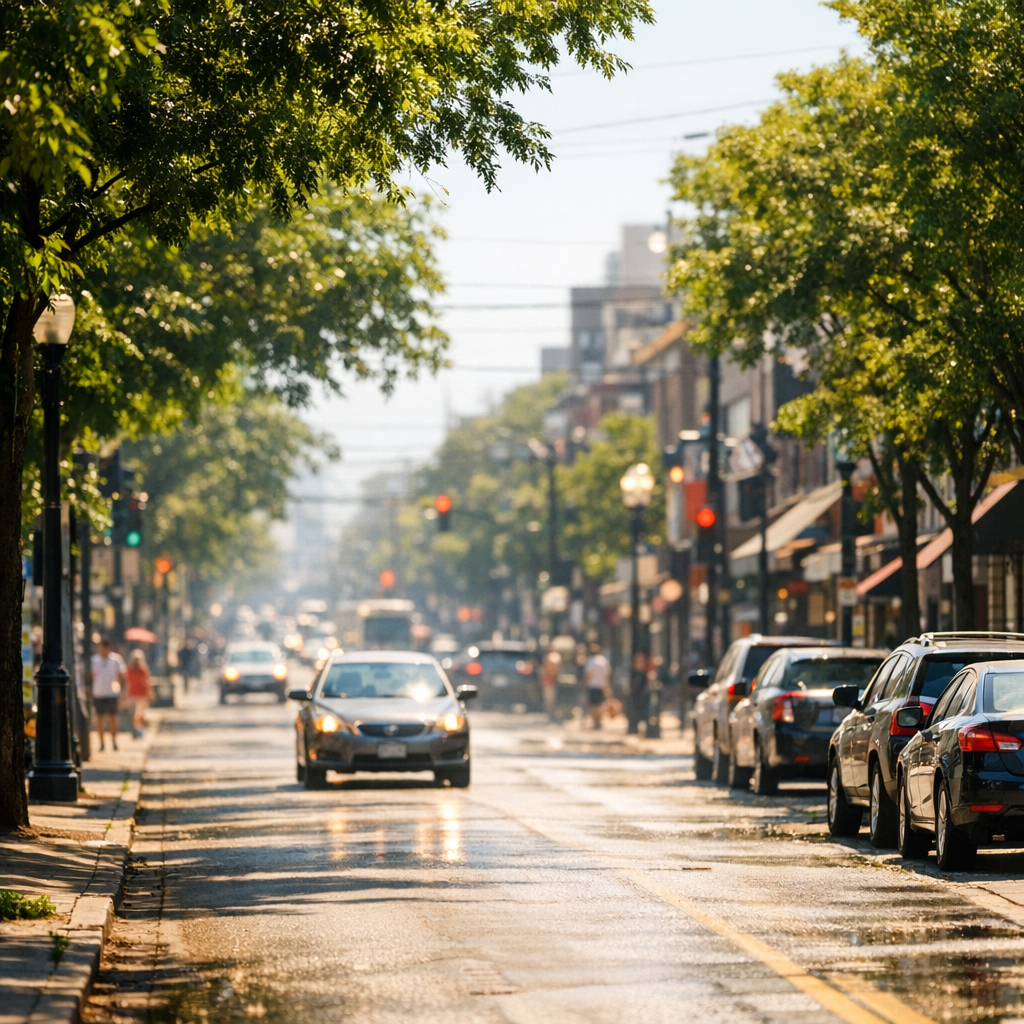
Concrete, asphalt, and dense development are making some neighborhoods significantly hotter than others—especially at night. Areas with fewer trees or green spaces tend to retain more heat. The effects of heat aren’t evenly felt, either: lower-income areas and communities of color often have less tree cover and fewer resources for cooling. Officials in Nashville are using “heat maps” to identify and prioritize cooling interventions.
Wildlife, Ecosystems & Gardeners Adjust
As seasons shift, wildlife timing is moving too. Migratory birds may arrive earlier or later, and forest species suited to colder zones are retreating upslope or into cooler microhabitats. For gardeners and farmers, planting zones are subtly changing—some plants that once thrived outdoors through November now need early protection. Meanwhile, warmer water temperatures in streams threaten cold‐water species like brook trout, and longer dry spells raise vulnerabilities for native flora.
What You Can Do Locally
- Support tree planting efforts, especially in neighborhoods lacking canopy cover—more trees help shade homes, reduce heat islands, and buffer stormwater runoff.
- Pay attention to weather service alerts about heavy rains, flood potential, or heat waves—being prepared can make all the difference.
- Consider landscaping with native species—they’re better adapted to local climate fluctuations and require less water and maintenance.
- Stay involved. Metro’s climate resilience and sustainability plans put forward steps our community can take; local advocacy plays a role in ensuring those plans reach every neighborhood.
Change is gradual, but its impacts are real—and recognizing what’s shifting helps us adapt. If you have questions about specific seasons, plants, or your neighborhood, let me know—I’ll dig in.