

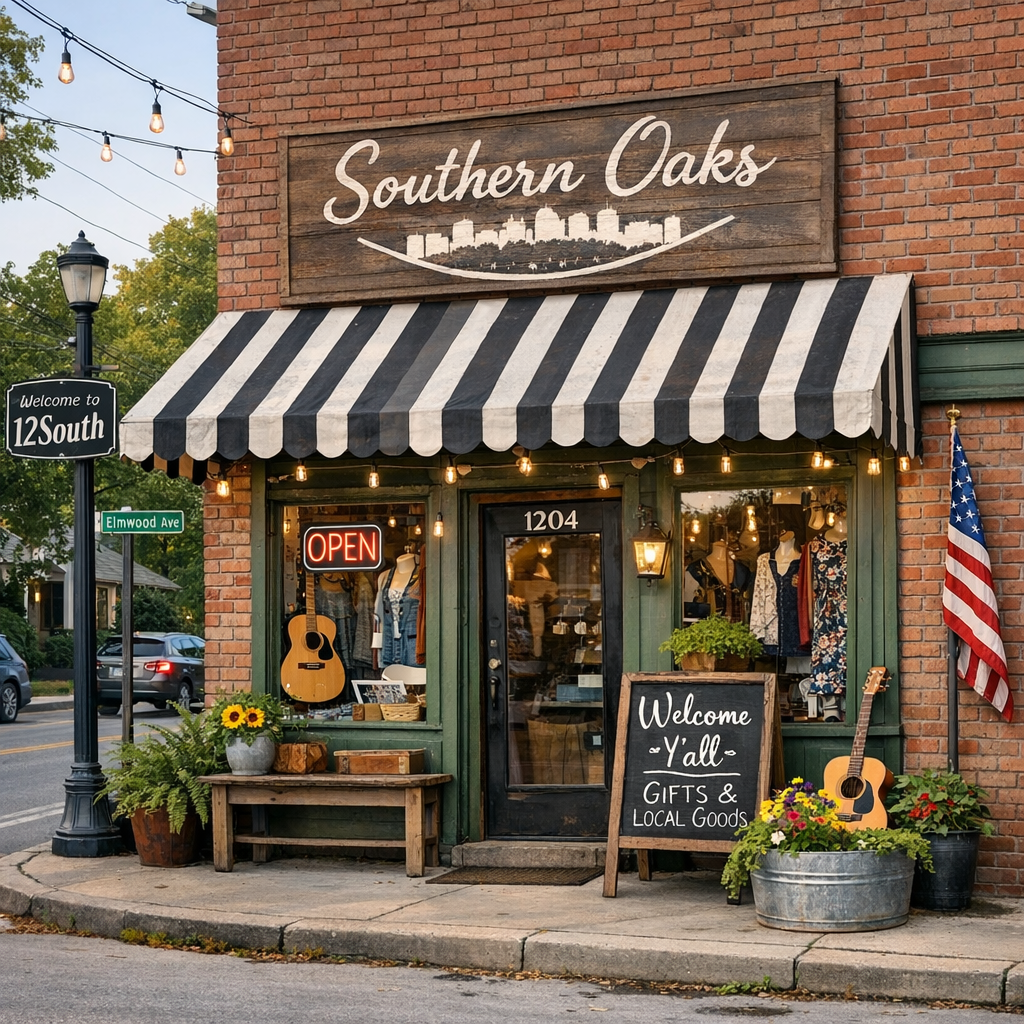
Nashville’s reputation as a booming hub for music, culture, and innovation isn’t new—but what’s changing is the pressure on small business owners who helped build that identity. Between soaring rents, talent shortages, and competition from big players, it’s an especially tricky time to run an independent shop here. Yet those who are nimble—and who lean into community, strategy, and local support—are finding ways not just to survive, but to thrive.
Major Challenges Facing Local Businesses
1. Escalating Rent and Property Taxes
Commercial rents in neighborhoods like Downtown and East Nashville have reached levels unaffordable for many mom-and-pop shops, with national chains often having the capital to outbid locals. Property tax assessments have also jumped, putting additional pressure on smaller tenants, especially for those under triple-net lease arrangements where landlord costs trickle down heavily. One restauranteur near Lower Broadway described a recent tax bill that nearly doubled due to rising values. Without equity in the property, business owners are squeezed from both sides.
2. Difficulty Hiring and Retaining Workers
Businesses across sectors report challenges finding employees who have both technical skills and a strong understanding of business basics. Training and development programs tend to focus on short-term survival rather than long-term growth or succession. This labor gap affects productivity, slows growth, and undercuts profitability. The result: many owners express that hiring isn’t just a task—it’s a gamble.
3. Competition and Saturation in Key Markets
With Nashville’s popularity among both visitors and new residents, key commercial corridors are saturated. Tourists spend billions each year in hospitality and entertainment, and national brands are increasingly eyeing storefront space in high-profile areas—pricing some local businesses out. The flashy successes overshadow smaller stores in less visible locations, making visibility and unique differentiation more essential than ever.
Strategies for Small Businesses to Leverage Opportunity
Lean into Local Identity and Community Roots
Neighborhood support remains one of the strongest tools. Engaging with community-based economic development associations, participating in local events, and working with organizations that uplift under-resourced neighborhoods can build loyalty. Consumers want authenticity, and business owners who are embedded in the story of their community often win where big brands can’t.
Seek Out Nontraditional Funding and Technical Assistance
Traditional lenders can be slow, rigid, and inaccessible to newer businesses. Entrepreneurs should explore nonbank methods—community development financial institutions, legacy business grants, and pilot programs designed to address aging ownership or succession planning. Technical assistance that helps sharpen business planning, financial literacy, and marketing strategy can make a big difference in turning opportunity into stability.
Adapt, Specialize, and Diversify Revenue Streams
Standing out in a crowded market requires more than good coffee or a catchy Instagram feed. Many successful local businesses are specializing—offering niche products, adding online sales, hosting workshops or classes, or leaning more heavily into subscription or membership models. Others are experimenting with pop-ups or partnering with other local brands to share space and resources.
Where Local Policy and Institutions Can Help
Nashville’s administration has announced initiatives aimed at alleviating pressure for small businesses. Plans include a new legacy business fund to provide grants to longstanding neighborhood businesses facing rising costs and a Workforce Advancement Grant to help workers access skill-building opportunities. These efforts show promise for those looking for infrastructure and systems-level support.
Business owners and local organizations should stay engaged with city policymaking—share feedback, participate in listening sessions, and advocate for more flexible procurement, affordable commercial space, and policies that recognize the value small businesses bring beyond tax revenue.
Final Thoughts
Running a small business in Nashville right now is no small feat. The competition is intense, the stakes are high, and many of the rules keep changing. But there is still real opportunity—especially for those who lean in to what makes Nashville special: its people, its neighborhoods, and its unique culture. With smart strategy, community support, and just enough hustle, Nashville’s entrepreneurs can not only adapt to the current climate—but help shape the city’s next chapter.