

Shifting Geopolitics and Rising Tensions
Conflict hotspots across the Middle East and Eastern Europe are escalating. The war between Russia and Ukraine shows no signs of abating, with new offensives and increased diplomatic friction. Meanwhile, tensions involving Iran, Israel, and the U.S.—especially following recent military actions—have rippled outward, impacting regional stability and global energy markets.
At the same time, there’s a noticeable tilt toward transactional diplomacy. Economic and military power are being leveraged more openly, and smaller and middle powers are increasingly defining their foreign policy in pragmatic terms rather than traditional ideological alignments. These shifts are altering alliances and complicating multilateral cooperation.
Climate Crisis Intensifies: Heat, Drought, and Food Security
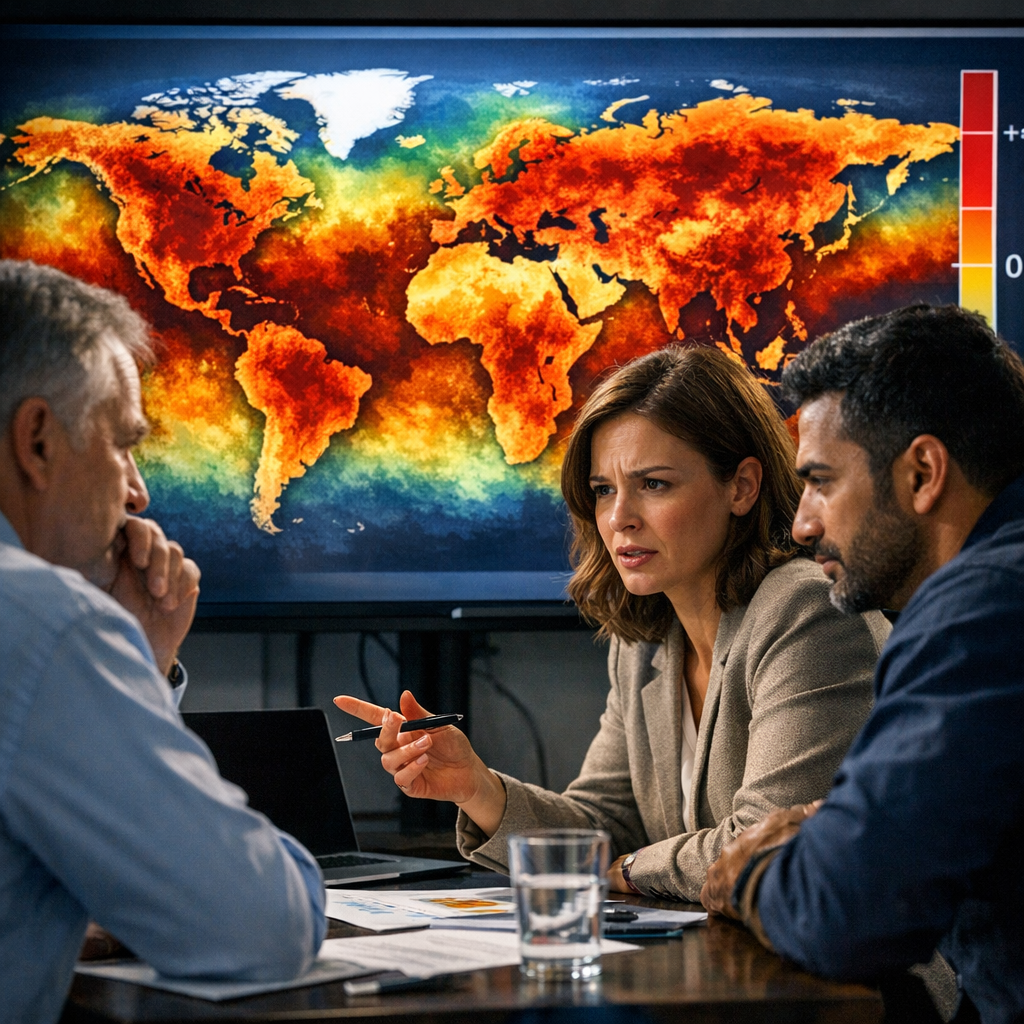
The effects of climate change are accelerating. Global surface and sea temperatures are reaching record highs. In particular, August hit average global temperatures that far exceeded pre-industrial norms, propelled by a strong El Niño. Scientists are warning that food systems will struggle under the combined pressure of extreme weather and climate extremes.
Nearly half the world’s children—around 1.1 billion—are now exposed to at least three overlapping climate hazards like heatwaves, droughts, floods or storms. The compounded threat has serious implications for health, education access, and long-term well-being across vulnerable regions.
Global Risk Patterns and Institutional Stress
Experts describe this era as one of deepening competition among global powers. Trust between states is eroding, and traditional paths for cooperation—like treaties, global norms, and multilateral institutions—are under strain. Policy responses are increasingly reactive, highlighting how current systems may be insufficient for managing rapid global change.
Climate action—once a visible priority—is losing urgency in some quarters despite worsening indicators. Meanwhile, economic disparities continue to grow, with inflation, supply chain instability, and energy insecurity affecting millions.
What to Keep an Eye On
- How countries grapple with El Niño’s escalating effects, especially in food-insecure regions.
- The direction of major powers’ foreign policies—whether toward confrontation, collaboration, or instability.
- Public pressure and civil society influence on climate policy, health infrastructure, and international aid.
- Institutional resilience: the ability of global organizations to respond effectively to cascading crises.
For Nashvillians curious about the world: these are not distant events. Global temperatures help set local weather extremes; geopolitical shifts influence supply chains and fuel prices; climate disasters abroad raise immigration pressures. Staying informed means connecting the dots—because worldwide developments often become local reality sooner than we expect.