

By Sophia Anderson
Current Home Prices: Steady, but Still High
In Nashville and its surrounding counties, single-family home prices continue to rise—even as growth slows a bit. The median price for a single-family home reached about $537,000 in mid-year, up from roughly $528,300 a year ago. Condominium prices have also trended upward, now hovering near $350,000. While inventory has improved slightly, homes are still spending around 50 days on the market. These figures mean buyers face serious competition, especially in desirable neighborhoods. (Greater Nashville Realtors)
Rental Market: Relief for Renters?
For renters, there are signs of modest relief. The average rent across Nashville is now in the mid-$2,000s, and asking rents dropped about 2-3% year over year. This softening reflects increases in vacancy rates—recent figures show vacancies around 7-11%, depending on unit size and location—giving renters more room to negotiate. Still, in high-amenity areas or popular central neighborhoods, rents remain steep. (PropMetrics, Realtor.com)
What’s Coming: New Developments & Infrastructure
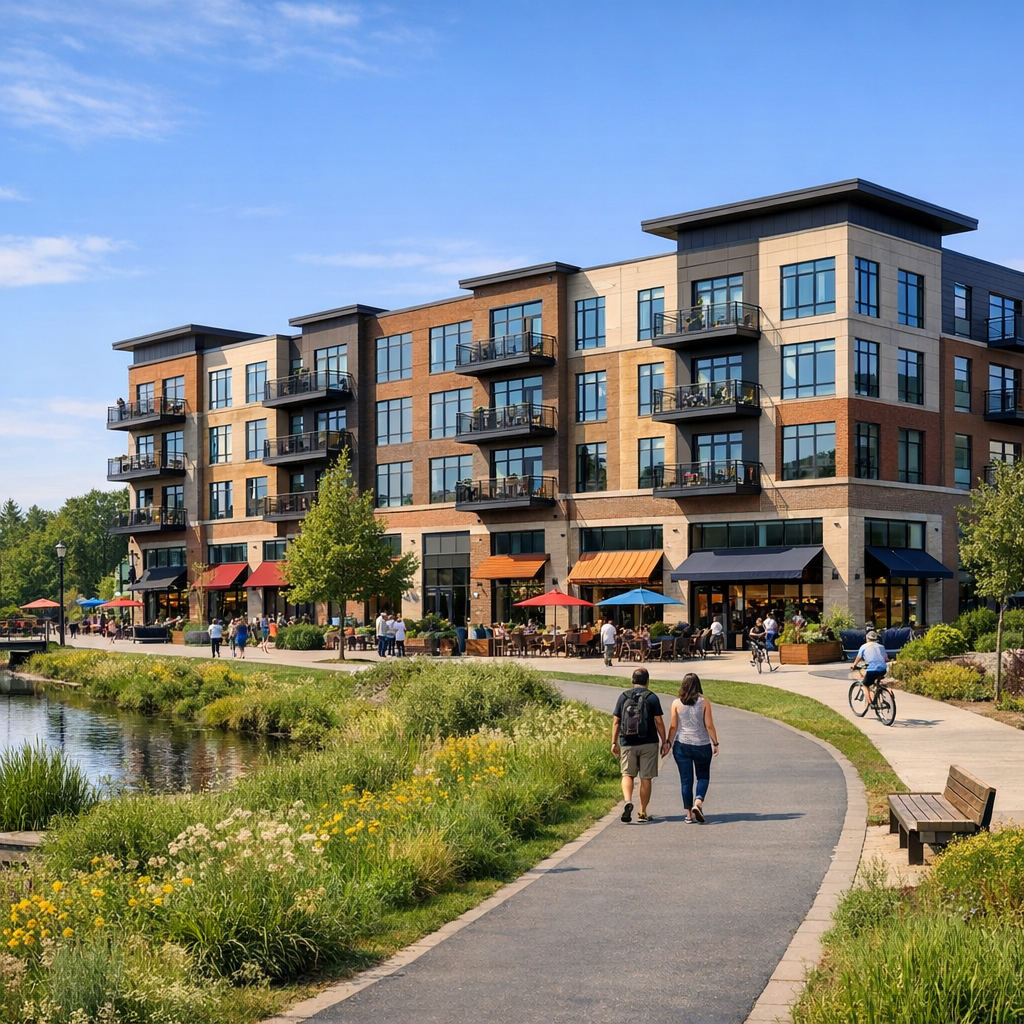
The growth isn’t stopping. Dozens of large projects are underway or in planning across Nashville. Mixed-use developments combine housing, retail, parks, and offices. One example is NOVEL Richland Creek in West Nashville, which will offer 277 new apartment homes along a greenway—melding outdoor access with proximity to major job centers. Other significant efforts, like the East Bank redevelopment, are transforming hundreds of acres along the Cumberland River into vibrant new neighborhoods. These initiatives add supply, but also highlight the tension between development and affordability. (Crescent Communities; Visit Music City; OFTMW Markets of Tomorrow)
What Buyers, Renters & Investors Should Know
- Buyers: With home prices so high, budgeting and timing are critical. Keep an eye out for homes where sellers are more motivated, and consider neighborhoods that offer a trade-off between price and commute.
- Renters: Vacancy is your ally. Ask landlords about concessions (like a free month or reduced rates), and compare multiple listings—big swings exist ZIP-code to ZIP-code.
- Investors & Developers: Class B and C properties are seeing stronger rent growth and occupancy gains. Mixed-use and green space-adjacent developments are especially attractive in the current market.
- Policy & Community Leaders: Increasing housing supply is necessary, but needs to be paired with affordability mandates and thoughtful zoning to maintain community character.
Final Takeaway
Nashville’s housing market is moving toward a more balanced state. Prices remain high, but the pressure on renters is easing, and new construction is steadily expanding the housing stock. Whether you’re buying, renting, or planning development, remaining flexible and informed will be your best strategy.