

By Ethan Martinez
Across the United States, recent developments in court decisions, national concerns, and economic data are influencing the political landscape, public debate, and policy priorities. Here’s a look at what’s changing—and what it means.
Supreme Court affirms birthright citizenship and ballot rules
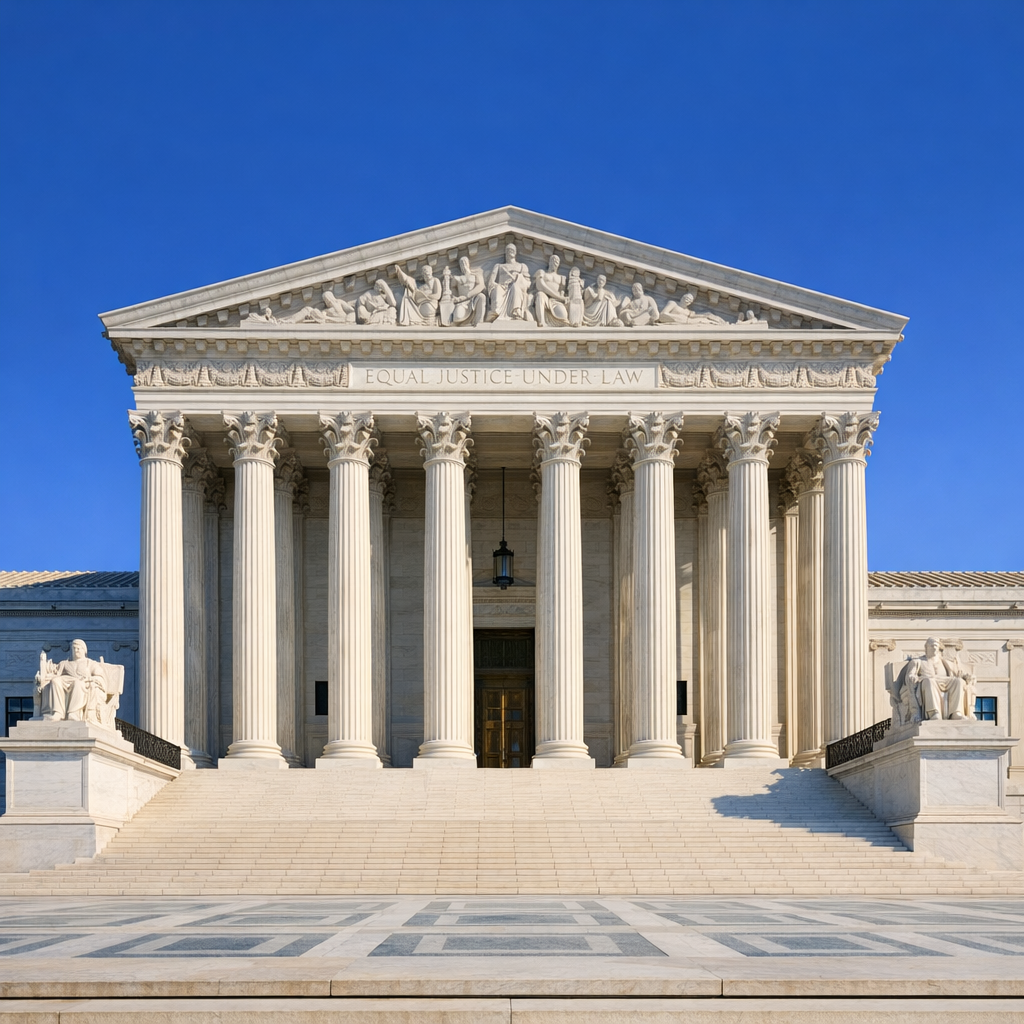
In two major rulings, the Supreme Court upheld that children born on U.S. soil to non-citizen parents retain birthright citizenship under the 14th Amendment, rejecting efforts to place new restrictions on what has long been a bedrock legal principle. These decisions are likely to become focal points in electoral debates, especially as immigration remains a central issue. (Decision published months ago.)
The Court also sided against challenges to laws that allow mail-in ballots to arrive after Election Day — so long as they are postmarked by Election Day. That reaffirmation of absentee voting practices in more than half the states counters efforts to tighten restrictions on the timing of ballot arrival. These rulings together reinforce existing legal structures around citizenship and voting rights, while raising political stakes for both parties. (Decisions published earlier this year.)
Economic anxiety still high, despite stabilizing indicators
While some economic indicators suggest stability—unemployment remains near low historical levels, layoffs are down, and job growth is modestly positive—many Americans continue to experience financial strain. Inflation pressures, especially around energy, food, and housing, are still felt strongly by households. Concerns over the cost of living remain at the top of the public’s worry list. A wide polling trend shows the economy, health care, and personal finances still dominating what people want from government policy.
The Federal Reserve has created a task force to review inflation frameworks, aiming to balance price stability amid shifting economic forces like technology, supply chain disruptions, and international tensions. Wage growth has decelerated from its earlier peaks, and while job vacancies remain, many feel opportunity is lagging behind rising costs. The economic undercurrent is one of cautious optimism mixed with uncertainty.
Voter attitudes and policy priorities shifting
Surveys indicate that the American public is divided on which party better represents their economic interests. Neither major party holds a definitive advantage on many core policy areas, including the budget deficit or foreign policy—trends not often seen in recent decades. On healthcare, inflation, and inequality, people are calling for stronger policy responses. These issues are topping domestic worries, per recent polling, even above crime, immigration, or security.
As we move closer toward major elections, these shifts in concern could influence voter behavior and legislative agendas. Issues that directly affect daily life—healthcare costs, access to voting, job security—are rising in urgency. Citizens appear to want responsiveness more than partisanship, and those preferences are increasingly translating into demands of elected officials.
Looking ahead
Understanding these national trends—legal affirmations of citizenship and voting rules, ongoing economic stress even amid certain stabilizing signs, and shifting policy priorities—helps frame where U.S. politics may be headed. They’re shaping campaign messages, policy proposals, and what people expect from government.
For those of us in Nashville and beyond, it’s important to follow not just what Washington is doing, but how it’s resonating in homes, communities, and local decisions. These national shifts often echo locally—but sometimes, they hit differently.