

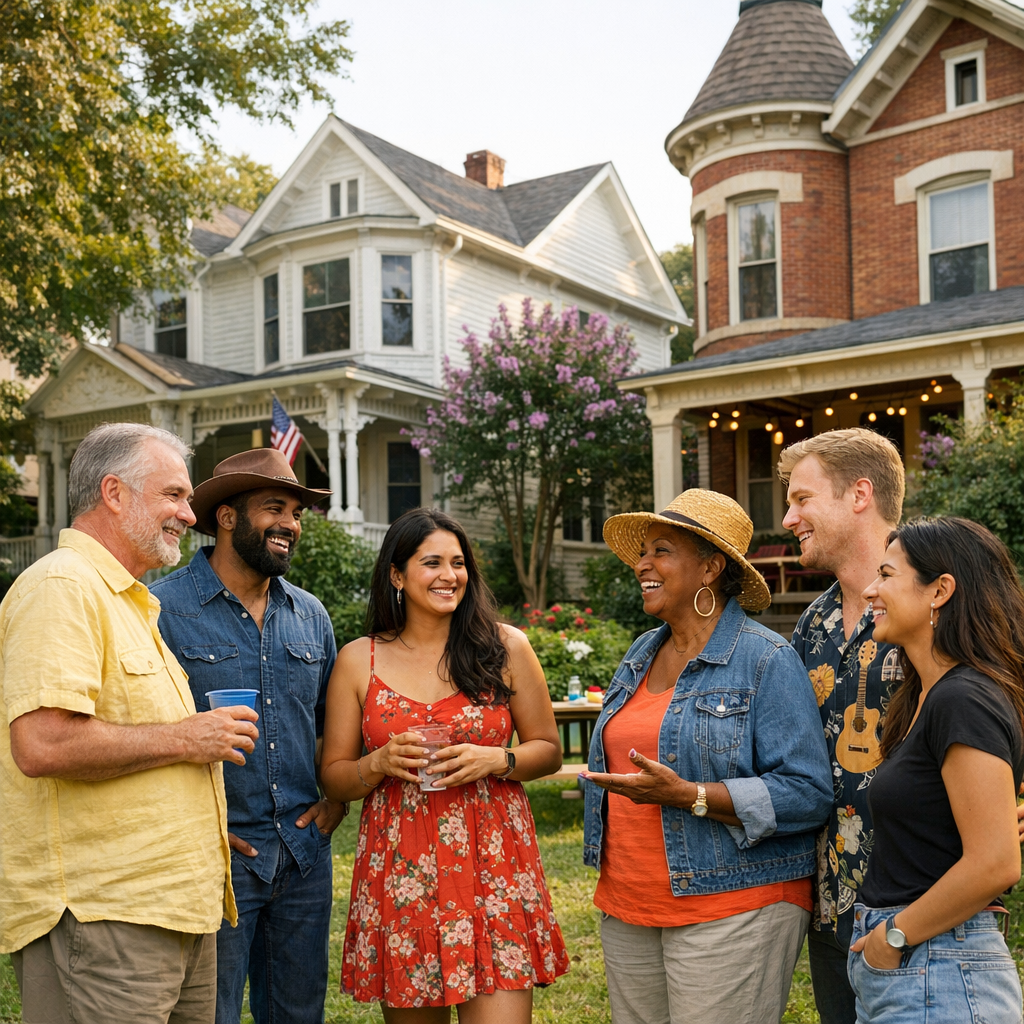
My name is William Lopez and I’ve lived in East Nashville for nearly 15 years. I’ve seen new rooftops mirror old porches, expensive restaurants rise where corner stores used to be, and neighbors who once filled sidewalks now waiting at transit stops in the dark.
Growth Isn’t Just Numbers—it’s Neighborhoods Evolving
Nashville is booming. Jobs are up. Music, tech, and tourists have made headlines. But growth isn’t just the skyline—it’s the people who built our city and how they are stretched thin. Housing costs are rising, long-time residents are feeling priced out, and many neighborhoods wrestle with changes that feel less like progress, more like displacement.
What I see
- Grocery stores disappearing, replaced by boutiques that locals can’t afford.
- Traffic and parking problems that make driving or just going home feel stressful.
- An older neighbor telling me she can no longer count on the bus arriving on time to get to her doctor’s visits.
- Youths asking, “Is this still my neighborhood?” when they can’t afford new homes around the block.
Balancing Belonging and Change
We don’t have to reject growth. In fact, many of us welcome the ideas, energy, and opportunity it brings. But growth needs to be managed so nobody has to sacrifice home, heritage, or dignity to stay.
What helps
- Affordable housing options in every neighborhood—not just those close to downtown.
- Reliable public transit so folks can meet work and family needs without depending on a car.
- Neighborhood safety and beautification—parks, lighting, clean sidewalks—so people feel a place belongs to them.
- Spaces for community voices—residents involved in zoning meetings, in planning development projects, being listened to—not just heard.
Stories That Matter
I remember crossing paths with Maria, a teacher of 20 years in my neighborhood. She told me she can’t work full time anymore because the rent’s eaten up two-thirds of her paycheck. She’s not unique—many who contribute to our city feel pushed to the edges of it.
Then there’s Jamal, whose family home has been in North Nashville for generations. He worries whether his children will recognize where he grew up, or whether financial means will force them to settle elsewhere.
A Call for Grown-Up Conversations
We need public conversations that recognize complexity. Balancing growth and belonging isn’t easy. It means asking big questions about zoning laws, transit policy, and where developers build—and ensuring locals are part of those conversations from day one.
Conclusion
Change will come. But Nashville doesn’t have to break apart in that process. If we listen to stories, protect space for long-time residents, demand fairness in housing and transit, we can grow in ways that keep everyone rooted—and proud—to say, “I live here.” Because a city is more than structures and markets—it’s people, voices, and home.