

By Ethan Martinez
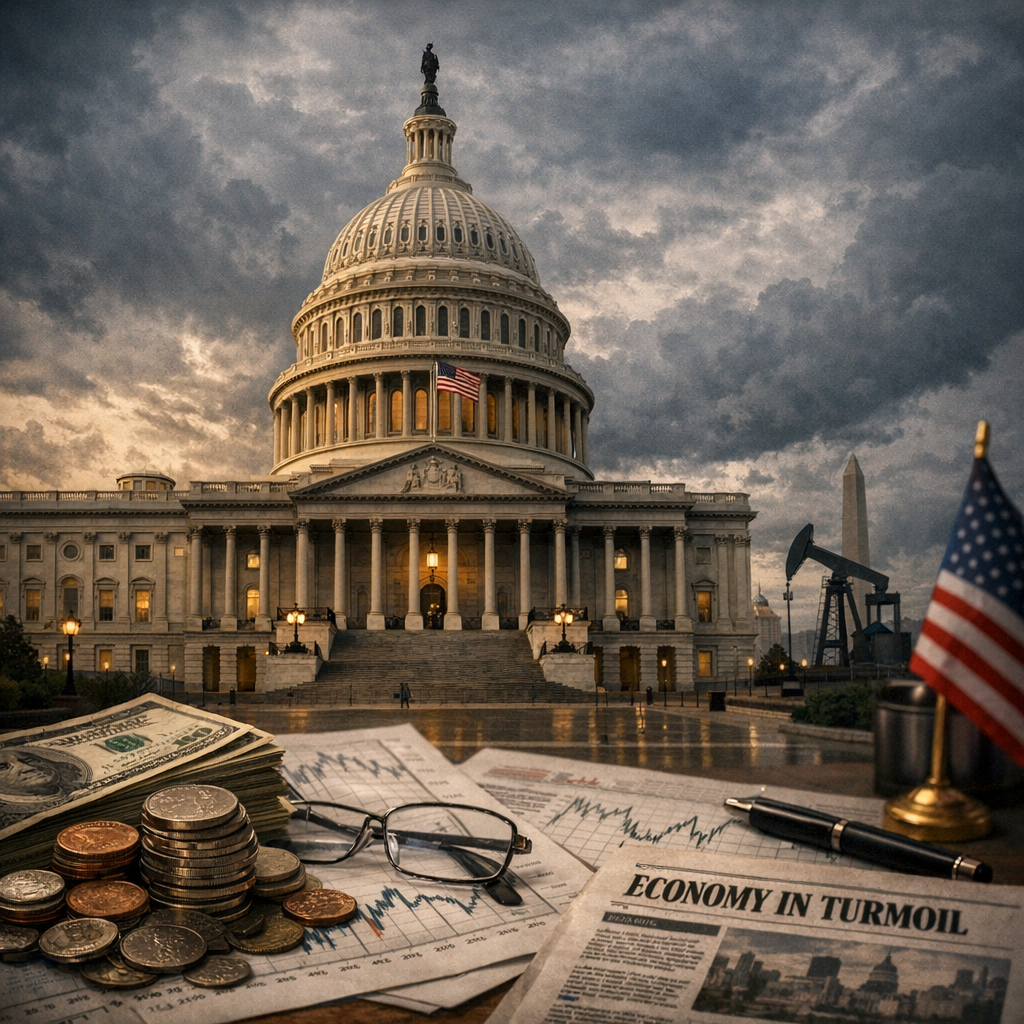
What’s happening in Washington right now is more than political theater—it’s a clash over economics, global strategy, and how much the nation’s leaders can deliver at home.
Inflation Sends Mixed Signals
Prices are still above the 2% target federal authorities aim for. Food, energy, and housing costs continue to pressure everyday budgets. Though inflation has eased somewhat in recent months, most Americans still believe things are getting more expensive, not better. That concern is cropping up in polls, where general economic sentiment remains low. Donald Trump’s policies—especially on trade and tariffs—are a key part of the debate.
Tariffs, Trade, and Tension
Tariffs continue to be a double-edge sword: they’re being defended by administration officials as tools for protecting jobs and promoting domestic industries, especially in swing states, yet many businesses pushing goods overseas or relying on imports say they’re seeing rising costs and disruptions. Meanwhile, as trade rivalry with China heats up, foreign policy choices are increasingly being framed through the lens of economic nationalism.
Politics Meets Economics
Voters are watching carefully. Even among traditionally supportive groups, skepticism toward the economy’s direction is growing. Republicans who earlier gave strong marks for the country’s economic picture are showing signs of restlessness—many increasingly believe recent policies may be worsening conditions. On the other side, Democrats remain broadly critical, and issues like healthcare, energy prices, and housing are central for many.
The Stakes Ahead
With major elections on the horizon, economic confidence might be the single most important issue for many Americans. For those in Nashville and beyond, inflation and job growth aren’t just headlines—they’re daily realities. Whether policymakers can strike a balance between bold global moves, strong domestic foundations, and meaningful progress for Main Street will define the next phase.