

By Emma Johnson
Though it may feel like distant news, some global issues intertwined with politics, climate, and humanitarian urgencies are evolving in ways that affect us all—and in Nashville, too. These aren’t isolated headlines; they’re ongoing global tensions that shape everything from food prices to migration patterns.
1. Food Security: Uneven Progress Under Pressure
Worldwide hunger has eased slightly, yet the battle is far from won. About 7.8% of the global population suffered from chronic undernourishment in 2025, and over 2.1 billion people experienced moderate or severe food insecurity. These are the latest numbers from major UN and FAO reports, indicating modest improvement overall—but deep regional and economic disparities remain.
What’s holding back progress?
- Conflict and instability. Wars in several regions—including the Middle East and parts of Africa—are disrupting food systems, supply chains, and access to aid.
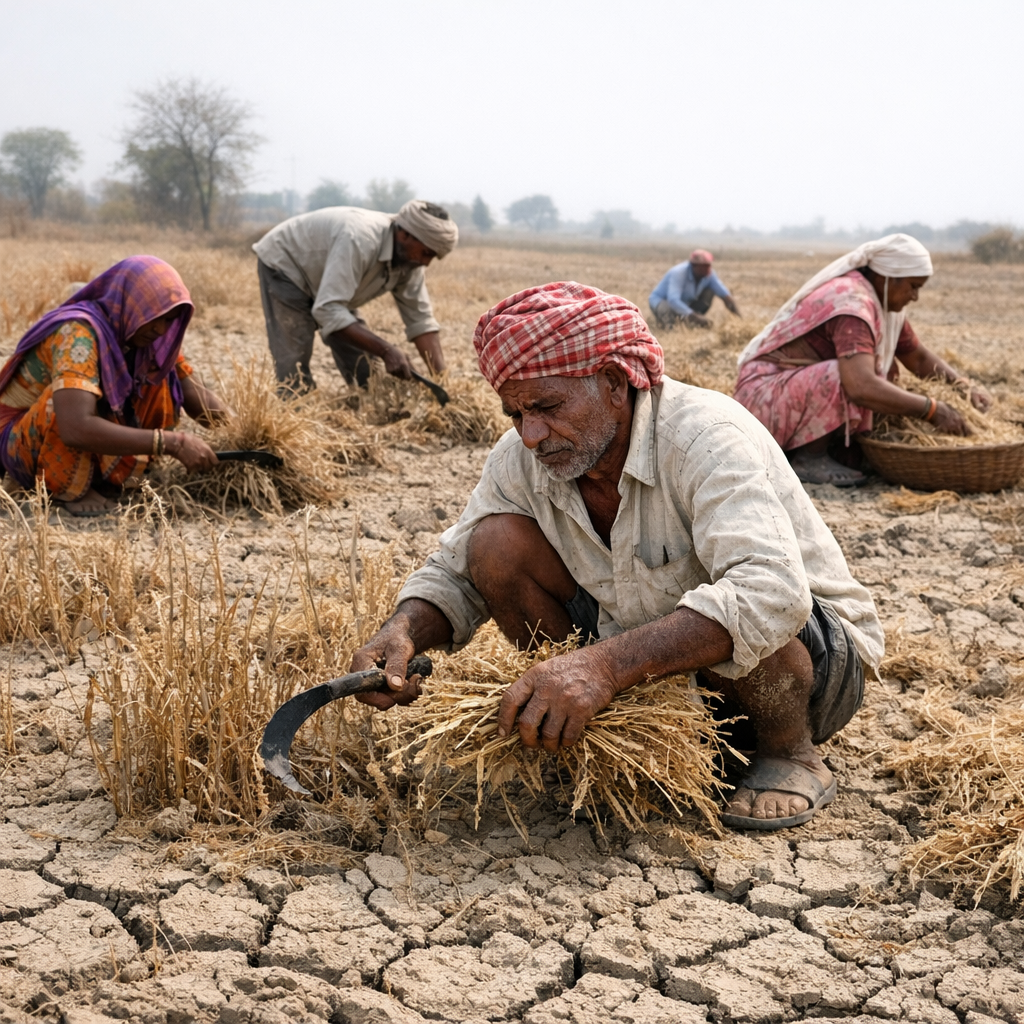
- Climate extremes. Droughts, floods, and unpredictable weather are undermining agricultural production and threatening vulnerable communities.
- High costs for healthy diets. Even when food is available, many people can’t afford nutritious options due to rising food, transport, and fertilizer costs.
2. Forced Displacement: A Record That Won’t Reset Quickly
By the end of 2025, approximately 117.8 million people worldwide had been forcibly displaced because of persecution, conflict, and violence. This includes refugees, asylum-seekers, and internally displaced persons (IDPs).
There was a slight drop in the number of refugees from 2024 to 2025—but that reflects returns to homes that, in many cases, remain unstable. For many people, displacement has become a long-term condition rather than a temporary state.
3. Climate Diplomacy: Doing Politics Differently
Multilateral climate diplomacy—think UN summits and formal treaties—has long been the centerpiece of global climate action. But experts say the shape of diplomacy is changing. Increasingly, the work is happening in coalitions: cities, companies, civil society groups, and regional networks stepping up where national-level agreements stall.
As we approach COP31 later this year, the question is not just “who signs what,” but “who is truly acting.” Delivering real-world outcomes—slowing emissions, conserving ecosystems, protecting vulnerable communities—will matter more than agreements alone.
Toward a More Resilient World—and What Nashville Can Watch
Local impacts matter. Global food prices can influence grocery bills across Tennessee. Displacement drives migration flows that eventually touch U.S. cities. Climate agreements inform domestic policy around energy, infrastructure, and agriculture.
What needs to happen:
- Expanded support for food systems that are equitable, drought- and conflict-resistant.
- Secure pathways for refugees and displaced populations, coupled with long-term integration policies.
- Bold climate initiatives at multiple levels—local, national, global—with accountability and inclusive participation.
It’s tempting to view these tensions as far away, but they ripple across borders—and into communities like ours. Staying informed, advocating for policies that reflect fairness, resilience, and shared responsibility—those are the tools Nashville can use to connect with the world’s most pressing challenges.