

By Sophia Anderson
Rental prices easing after peak demand
In recent months, Nashville renters have seen slight dips or stabilization in rental prices. The average rent for all property types in the city is about $2,195/month, down roughly $55 year-over-year. Monthly shifts are small, but they signal cooling demand.
That said, neighborhood and unit-type differences remain significant. Studios are still more affordable—with average rents in the mid $1,500s—while 2- and 3-bedroom units often exceed $2,000/month.
Home prices continue upward momentum
For buyers, Nashville’s single-family home median is around $537,000 in the broader metro area. While elevated, growth is steady rather than explosive, partially driven by limited inventory and strong interest from both local and out-of-town buyers.
Still, the market is showing signs of balance: longer listing periods and more opportunities to negotiate appear in some segments, especially among condos and smaller homes.
New development & affordability efforts
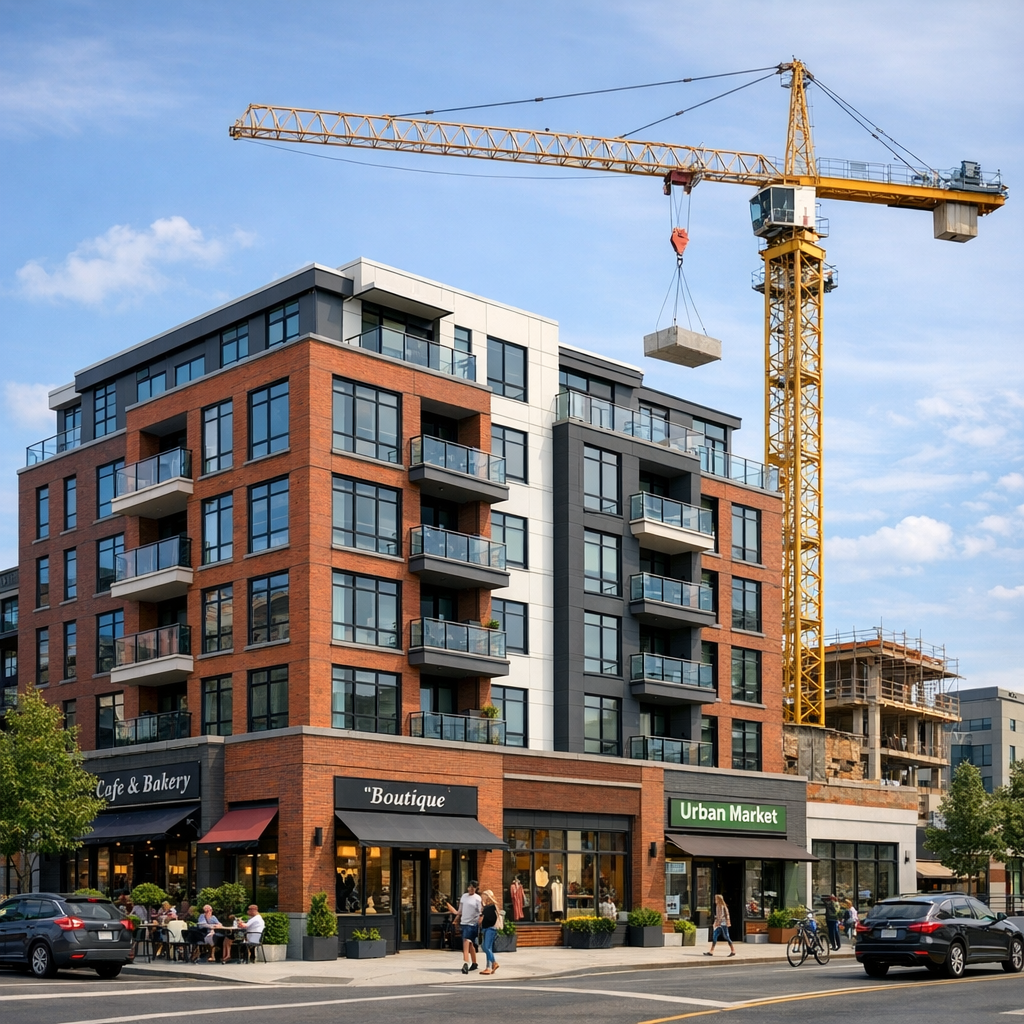
Nashville is pushing forward on several major development fronts. One key effort is the East Bank project, where developers and the city have broken ground on Eastpoint Flats, a 323-unit building that will be 100% affordable, with childcare and retail components, secured through a 99-year ground lease.
There’s also an ongoing Housing & Infrastructure Study addressing how zoning rules, infrastructure capacity, and housing type diversity can be revised to better meet current and future needs. Recommendations include supporting smaller-scale housing types and ensuring zoning supports affordability.
What this means for residents and prospective buyers
If you’re renting, it may be a good time to shop: small concessions or incentives are more common than during the hottest stretch of the market. For buyers, prepared financing and flexibility on location or size will improve opportunities.
For those watching long-term, the shift toward mixed-income developments, updated zoning, and infrastructure investments offer promise—but persistent affordability challenges mean many still struggle to find options that match income levels. Those gap areas are often served by agencies like the MDHA, which manages thousands of affordable and workforce housing units.
Stay informed
Monitor rental-data reports, MDHA notices, and Metro Planning Department updates. Local meeting posts and development trackers help you see what’s changing in your neighborhood before the signs go up.
While Nashville’s housing market isn’t cooling off rapidly, the shifts are meaningful enough that renters and buyers alike stand to benefit if they stay alert and ask questions.