

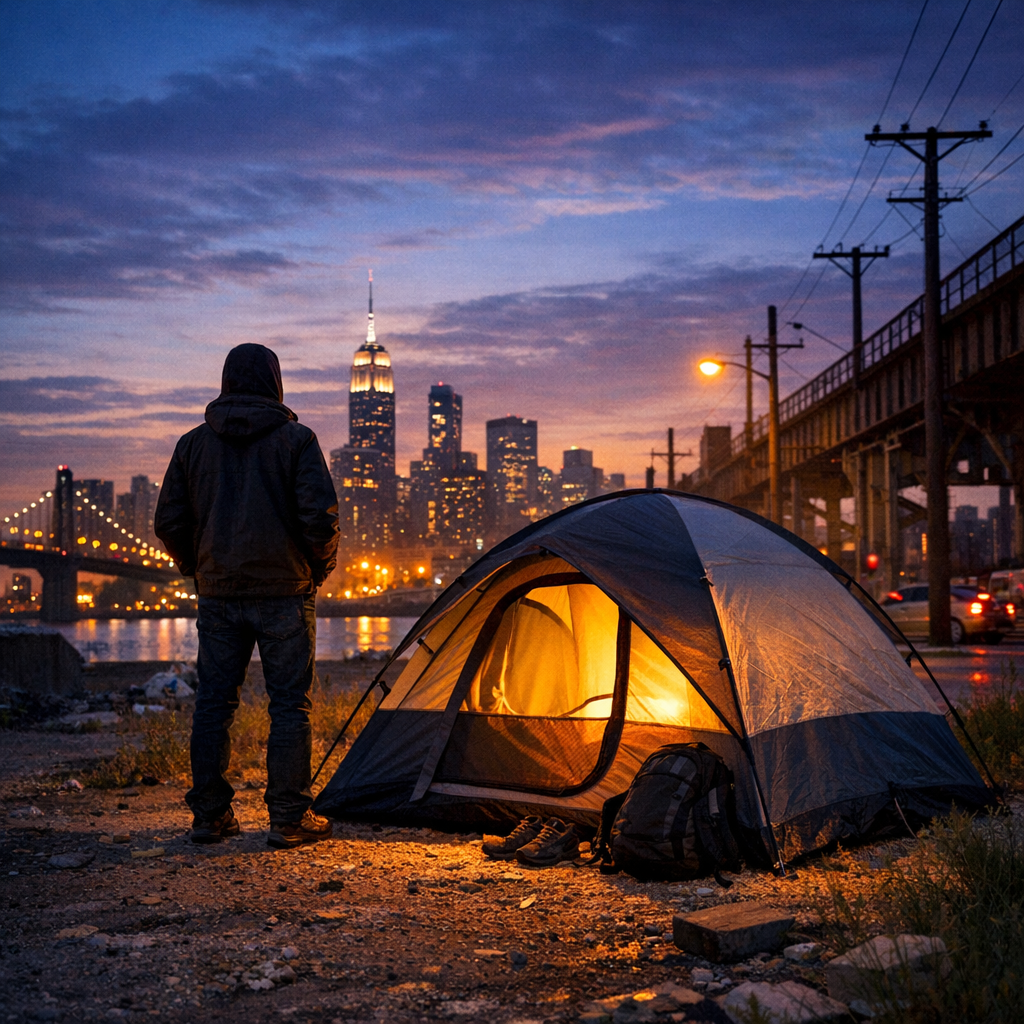
Every time I drive past downtown or through a quiet neighborhood, I see someone living outside—on a sidewalk, under a bridge, or in a makeshift tent. It’s easy to look away. But each person has a story, shaped by loss, addiction, mental illness, or simply being priced out in a city booming with change.
“Hardship Transformed Into Hope”
Take Teresa. She spent nights under bridges, felt too ashamed to reach out, and lost friends and opportunities as addiction tightened its grip. Her turning point came after an overdose. Through Nashville Rescue Mission’s Life Recovery Program, Teresa found faith, stability, and a chance to rebuild. She says waking up sober and feeling hope again changed everything.
Barriers Beyond Homelessness
Not everyone seeking housing meets traditional eligibility criteria. One man languished for years on the streets—not because he lacked will, but because he didn’t “fit the stereotype.” He didn’t have enough income, lacked rental history, and was often denied access despite his efforts. That stigma and bureaucracy pile up until survival becomes the fight of each day.
Fighting Displacement and the Rising Cost of Belonging
For many longtime Nashvillian families, rapid gentrification means eviction notices, rent hikes, and shrinking neighborhoods where they once felt at home. Imagine Nashville, a citywide vision-building initiative, heard from over 10,000 residents across every zip code—stories echoing fear of being pushed out, of losing community identity, and of wanting a place where they still belong.
What Helps—and What’s Needed
- Compassionate outreach: groups like People Loving Nashville build trust, offering food, connection, and a bridge to services when someone is ready.
- Faith-based and community recovery programs that listen—not judge—and lean into holistic care, as with Teresa’s story.
- Inclusive housing policies and affordable units accessible without endless gatekeeping or income minimums that few can meet.
- A citywide identity that values longtime residents, making their neighborhoods safe from displacement rather than targets for redevelopment alone.
I write this not to shame, but to invite us all—neighbors, policymakers, business owners—to consider our role. A single phone call. A donated pair of boots. Standing in solidarity. These sparks can help someone believe they deserve to come home again.
I’m William Lopez, standing with those whose paths crossed rough terrain, and who keep walking despite everything.