

By Mason Martinez
Nashville’s weather isn’t what it used to be—or, more precisely, what it once felt like. On the Weather & Environment beat, what keeps me up are not just the storms coming through, but how our seasons themselves are shifting: growing quieter in some ways, louder in others. Here’s a look at the trends we’re seeing, and what it means for the city.
Rainfall enters a new pattern
Data from Middle Tennessee shows steady increases in annual precipitation, especially across the Cumberland Plateau and beyond. But more rain doesn’t always mean easy rain. Heavy downpours—those short bursts that drop inches within minutes—are showing up more often in Nashville, challenging stormwater infrastructure and increasing flood risk. Rain isn’t just falling; it’s falling harder.
Warmer fall, fewer freezing nights
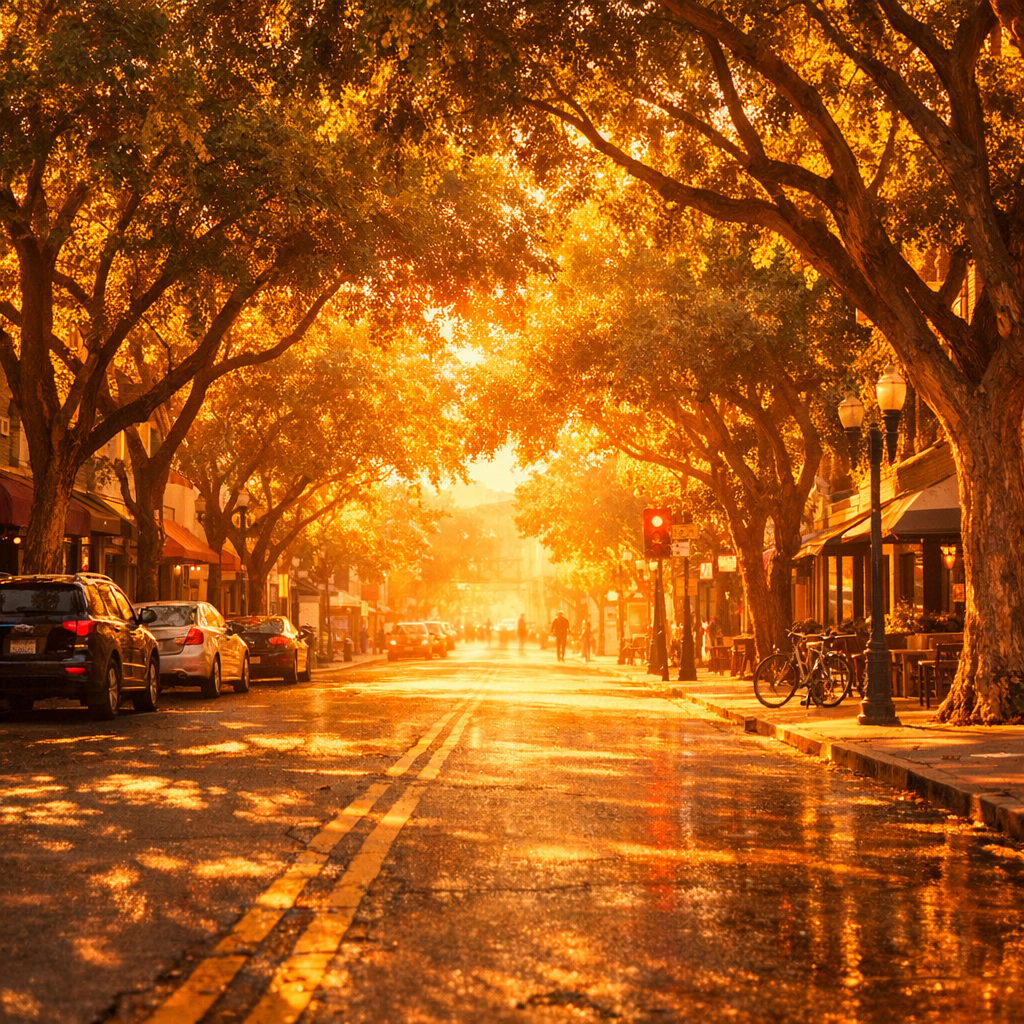
Autumn has long been a respite from long summer heat, marked by crisp nights and changing leaves. That’s becoming less consistent. Average fall temperatures are inching up, and the number of nights where temperatures fall below freezing is slipping downward. Frosts that once reliably appeared are now unpredictable. For plants, wildlife, and anyone excited about fall color—this shift has real consequences.
Urban heat and environmental justice
Nashville, like many growing cities, feels the heat more sharply here than outlying areas. Concrete, asphalt, and fewer trees mean urban cores trap and hold more heat. These “heat islands” don’t just change where you want to walk—they affect health, energy bills, and quality of life. And the burden isn’t shared evenly: areas with less green cover tend to be disproportionately affected.
What ecosystems are telling us
Our local flora and fauna are responding. Some cedar glades—known for their unique plants adapted to dry, rocky soil—could face more stress if precipitation falls but soil moisture declines during summer, or if heavy rain and runoff change habitat quality. Warmer temperatures may shift forest composition over time, tilting oak-hickory types toward patterns more like savannahs in certain zones. Bats, cave systems, soil organisms—almost everything has a stake in how climate shifts shape moisture, temperature, and season length.
What can Nashville do—and what we can look out for
- Support green infrastructure: More trees, parks, rain gardens and permeable surfaces help absorb water and fight heat.
- Track and adapt: City leadership’s climate resilience planning already prioritizes hazards like flooding, heat waves, and storms. Staying informed and involved matters.
- Pay attention to microclimates: Even small changes—opening windows at night, planting shady trees, choosing cool roofing—make a difference.
- Monitor seasonal cues: Frost-dates, leaf-drop timing, animal behaviors—these are early warning signs that something’s changing.
Nashville’s weather stories are more than just daily forecasts. They reflect deeper shifts—of temperature, water, seasons—that affect our health, our landscapes, and even how we’ll live decades from now. On this beat, we’ll keep listening, watching, and reporting so we can understand where the climate is pulling the future.