

By Emma Johnson
Woven Threads: What’s Driving Global Turbulence
Across continents, three broad and deeply connected challenges define the world stage today. Climate change is bringing more frequent heat-waves, droughts, floods, and storms. At the same time, health emergencies—from outbreaks of Ebola to persistent infectious and non-communicable diseases—are undermining the gains of past decades. Then there’s geopolitical conflict and economic strain: wars, supply chain disruptions, and declining aid threaten stability in many nations.
Health Gains at Risk
Over the last decade, the international community has made real progress on global health: new HIV infections have fallen sharply; access to safe drinking water, sanitation, and clean cooking has expanded for billions; tobacco and alcohol use have declined. But those advances are vulnerable. Some regions are seeing stagnation or reversals in disease prevention, maternal and child mortality remain higher than targets, and health systems struggle post-pandemic with limited funding and weak infrastructure. Global warming amplifies these threats by increasing disease spread, damaging health facilities, and complicating emergency responses.
Climate as a Multiplier of Risk
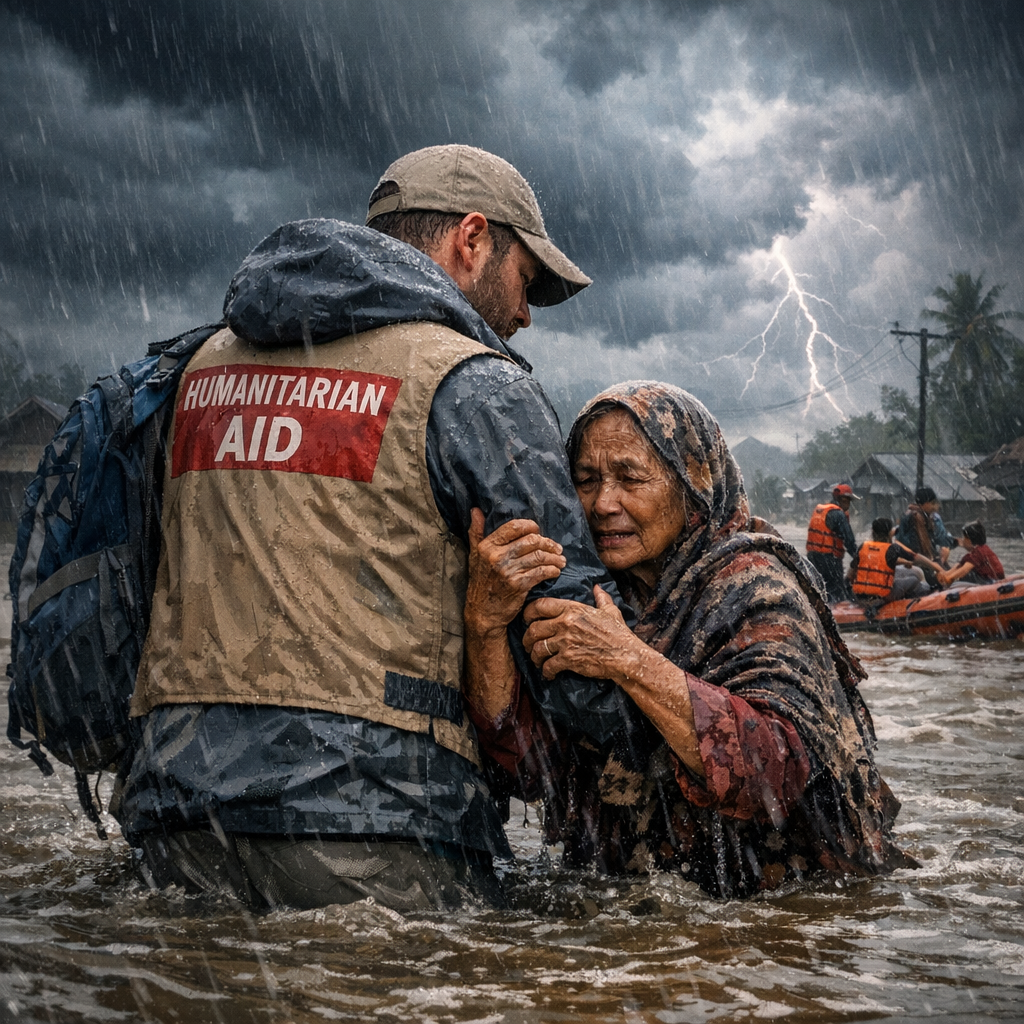
El Niño-driven weather extremes now threaten to heighten risks already present in fragile settings. As droughts and flooding disrupt lives, food supplies, and safe water, malnutrition and waterborne diseases surge. Heat stress aggravates respiratory and cardiovascular illnesses. In areas with weak health infrastructure, even modest climate shocks can become crises. Meanwhile, climate change isn’t only environmental—it’s economic, political, and social.
Conflict, Displacement, and Aid Pressure
Ongoing conflicts—whether in the Middle East, parts of Africa, or between rival powers—generate humanitarian emergencies that strain global emergency response systems. Displacements, breakdowns in governance, and food insecurity often form a chain reaction. Aid budgets are under pressure as some donor countries reduce support even as needs grow. When assistance shrinks, vulnerable populations suffer first, deepening inequality and instability.
What Communities Can Do (Yes, Us Too)
Even far from crisis zones, local awareness and action matter. Here in Nashville and beyond, supporting credible global health groups, staying informed about climate-risk in supply chains, advocating for sustainable policies, and helping refugees or displaced people through community organizations are all investments in a stable future. Pressing for smarter climate adaptation, stronger public health infrastructure, and international cooperation doesn’t seem remote—it’s essential for all of us.
Taking Hope—and Responsibility
Despite the challenges, there is hope. Global forums are insisting on climate justice and clean energy. Health agencies are emphasizing disease surveillance and universal care. Grassroots movements around the world are demanding fairness, equity, and protection for vulnerable peoples. No single country or city has to solve everything, but combined efforts—even small—can shift the tide.
Why This Is Ours
We live in an interconnected age. A climate disaster halfway around the world can ripple through supply chains; disease outbreaks can spread rapidly in travel networks; political instability sets off global ripple effects in markets and migration. The world’s challenges are no longer just distant headlines—they shape what happens in our cities, our schools, our clinics, our food stores. Understanding them helps us be better citizens of the world.