

By Noah Davis
Changing Landscape for Local Business
As Nashville continues growing—drawing in new companies, residents, and real estate developments—longstanding local businesses are often squeezed by rising operational costs. Property taxes surged significantly in recent tax reappraisals, multi-million-dollar corporate projects now dominate downtown investment, and competition for skilled workers has become intense.
While large employers and ceiling-scraping developments get more visibility, many legacy mom-and-pop shops grapple with infrastructure needs, outdated systems, and marketing hurdles just to keep up. These challenges are compounded for business owners in neighborhoods that are evolving quickly.
Policies Designed to Lift Up Small & Legacy Businesses
Responding to these pressures, city leadership has put forward a suite of support programs aimed at helping smaller and long-standing businesses thrive. One new Legacy Business Program targets enterprises that have operated for at least 15 years, offering grants to upgrade operations, improve sustainability, and adapt to changing neighborhood identities.
Another piece, the Workforce Advancement Incentive Program, provides grants (up to $10,000) for small business employers to help train and retain staff, especially through certifications and continuing education. A third lever, the expanded Property Investment Incentive Program, now covers interior work and raises eligibility thresholds so more commercial properties—especially those valued under $2 million—can access matching grants for improvements.
Growth Trends & Persistent Gaps
Nashville’s economic base remains diverse: core pillars like healthcare, entertainment, manufacturing, and tourism are joined by tech sector growth and life sciences opportunity. These industries continue to generate momentum. Meanwhile, job growth has outpaced national averages in recent years, driven in part by business formation and migration into the metro area.
Still, steady growth doesn’t erase disparities. Workforce pipelines are under pressure as employers say they can’t find enough candidates with needed skills. Rising rent and property costs threaten affordability not just for businesses but for employees. And geographic gaps persist—suburban and rural communities often receive less investment, making the benefits of growth uneven.
What Local Entrepreneurs Can Do
- Explore city grants: Currently available incentive programs offer financial relief for capital improvements, workforce training, and legacy business support. Stay connected with Metro Economic & Community Development to keep up with deadlines.
- Think long term: Updating internal systems—operations, marketing, financial management—can help stabilize business performance, even in volatile conditions.
- Partner for workforce development: Collaborate with local schools, community colleges, or training providers to build pathways for employees to gain in-demand skills.
- Stay involved in policy conversations: With property tax and zoning decisions central to business costs, voices from Main Street matter in municipal deliberations.
Why It Matters
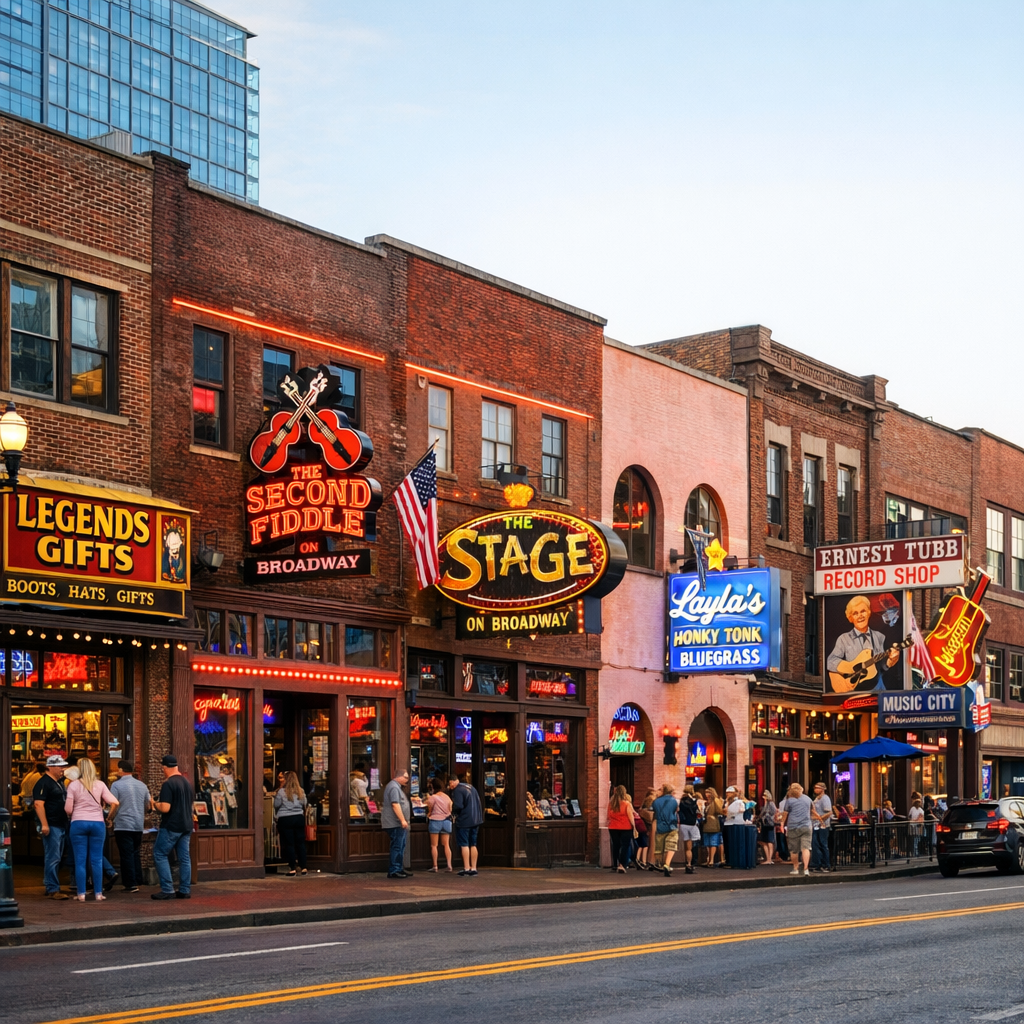
Nashville’s identity comes in part from its small local businesses—cafés, hardware stores, music-scene institutions, street-corner printers—that give flavor to neighborhoods. If growth happens only at the high end, the city risks losing much of what makes it unique.
Growth and investment are necessary, but without strong strategic support and equitable access to resources, many local businesses won’t keep pace. These new programs offer one path toward more balanced economic strength—one where both emerging enterprises and legacy businesses are part of Nashville’s future.