

By Emma Johnson
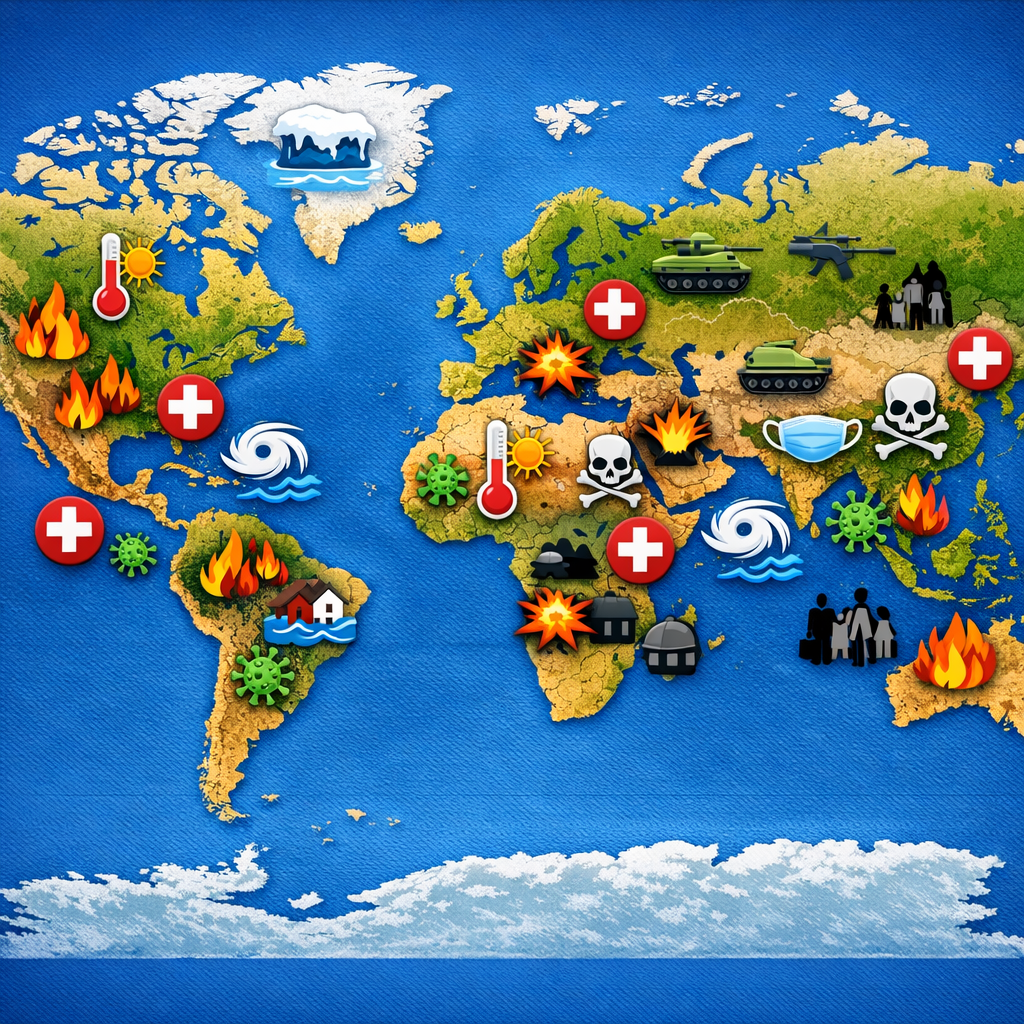
In a rapidly changing world, global developments in climate policy, armed conflict, and health emergencies are not distant issues—they affect us locally and collectively. Here’s an overview of major trends shaping our world now.
Climate Cooperation Moving from Promises to Implementation
Countries increasingly recognize that lofty climate goals mean little without enforceable action. International progress is now focused on delivering measurable outcomes: clean energy transitions, resilient infrastructure, and policies that curb emissions. Global frameworks like the Paris Agreement are being supplemented by trade deals and climate finance initiatives that aim for concrete results rather than just commitments.
Despite growing cooperation—particularly in green technology deployment and renewable energy trade—many experts warn implementation still falls short of what’s needed to meet the world’s climate targets. For instance, emissions reductions lag behind energy demand, and some financial pledges remain only lightly defined or weakly enforced.
Conflict Zones That Continue to Shape Global Stability
Ongoing conflicts, such as the war in Ukraine, remain major sources of humanitarian and geopolitical stress. The situation is largely unchanged in terms of frontline divisions, despite military efforts and shifting control in certain regions. The human toll is severe and the stakes remain high for diplomacy, aid, and global security.
These conflicts affect us through disrupted supply chains, global refugee flows, energy market instability, and shifting alliances. Even communities thousands of miles away, like in Nashville, may feel these ripples through gas prices, migration policies, or shifts in foreign relations.
Health Emergencies: Rare Diseases Rise, At-Risk Communities Struggle
Another concerning trend: outbreaks of serious diseases are increasing in intensity and complexity. A recent Ebola outbreak in the Democratic Republic of the Congo and Uganda—driven by the Bundibugyo virus—has been declared a global public health emergency. This particular strain has no approved vaccine or therapeutics, complicating containment efforts. Conditions like war, population displacement, and weakened health systems make these crises especially hard to manage.
Yellow fever, too, remains a threat in parts of Africa and the Americas, especially where vaccination coverage is low. Experts emphasize that surveillance and routine health services are essential not just abroad, but in maintaining defenses against international spread.
Why These Trends Matter Here in Nashville
Global issues impact local lives. Climate policy shifts affect federal funding, energy costs, and incentives for green infrastructure. Conflicts abroad influence economic stability and immigration. Health outbreaks remind us that infectious disease knows no borders and spotlight the importance of global health investment.
As global realities change, Nashville can play a role: advocating for informed policy, supporting international cooperation, and investing in community health and resilience.
Looking Forward
We’ll be watching how negotiations at upcoming international climate summits handle implementation. We’ll also monitor whether global health mechanisms receive the resources and attention they need. And amid continued conflict, diplomacy and humanitarian efforts will remain central to restoring peace and preventing further destabilization.